Japandi Interior Design Ideas
Japanese minimalism meets Scandinavian warmth. Clean forms with organic textures.
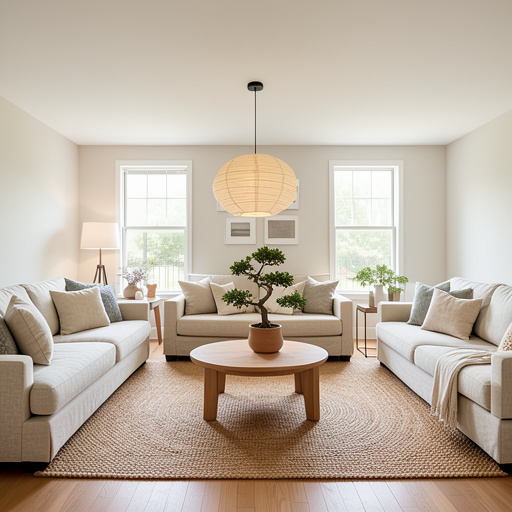
Japandi is what happens when Japanese wabi-sabi philosophy meets Scandinavian hygge. Both cultures value simplicity, natural materials, and craftsmanship — but they arrive there from different directions. Japanese design finds beauty in imperfection and asymmetry. Scandinavian design prioritizes function and democratic access. Together, they create rooms that are minimal but not sterile, warm but not cluttered. The palette is subdued: off-whites, warm grays, blacks, and natural wood. Furniture combines Scandinavian functionality (clean lines, practical storage) with Japanese aesthetics (low profiles, handcrafted details, negative space). The style gained traction around 2019 and has only grown since, partly because it works in small spaces — a relevant concern in both Tokyo apartments and Copenhagen flats. If you're drawn to calm, natural rooms with craft and intention behind every object, Japandi is your style.
Japandi design in every room
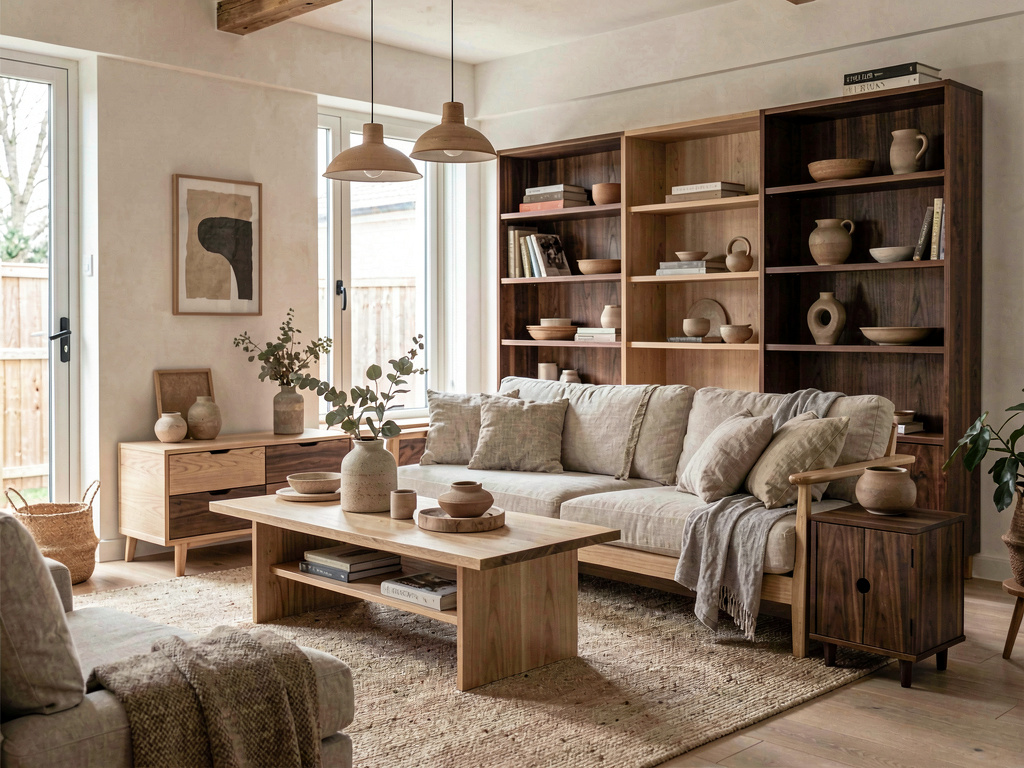
Japandi living room
A low charcoal sofa meets a light oak coffee table in a room where empty space is a design choice. One hand-thrown ceramic vase holds a single branch.
View design ideas →
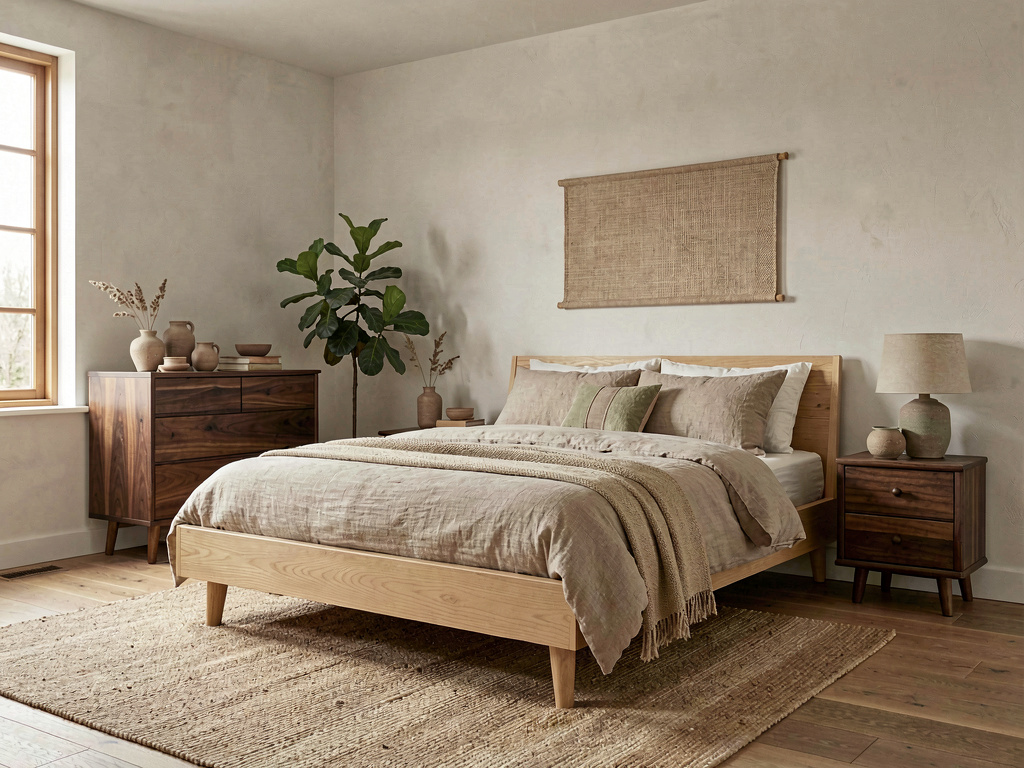
Japandi bedroom
A low platform bed in dark walnut sits on a natural fiber rug. Linen bedding in warm off-white, one nightstand, and nothing on the walls. The calm is immediate.
View design ideas →
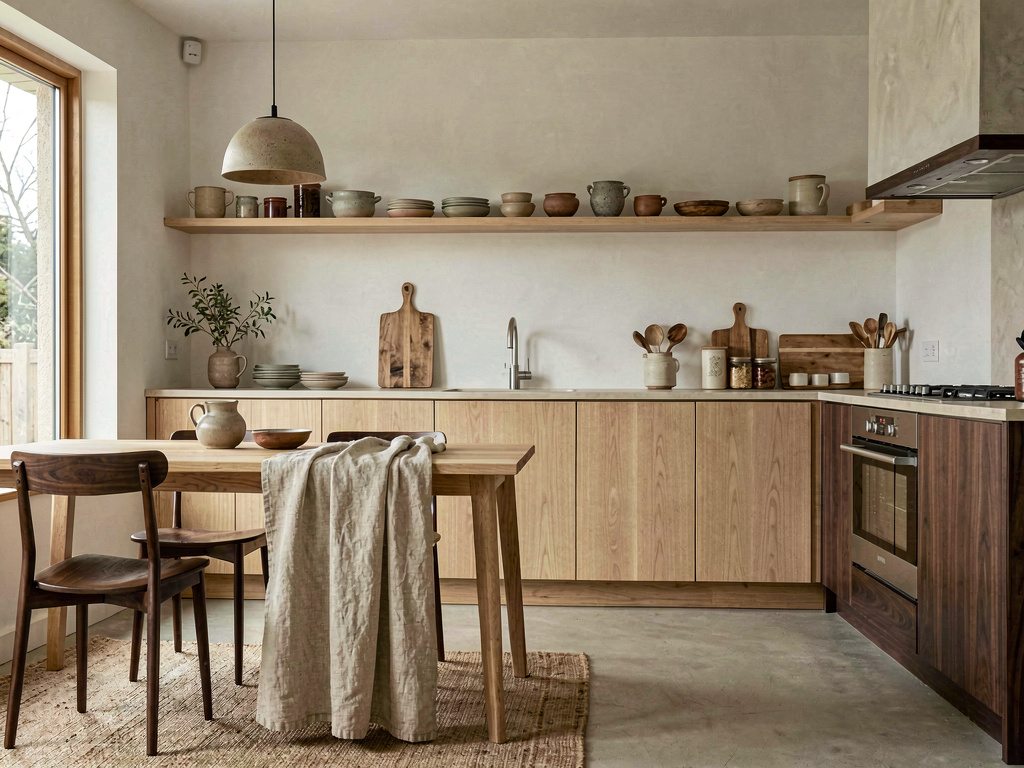
Japandi kitchen
Clean flat-panel cabinets in light oak with dark walnut open shelving above. Handmade ceramic dishes on display and minimal counter clutter.
View design ideas →
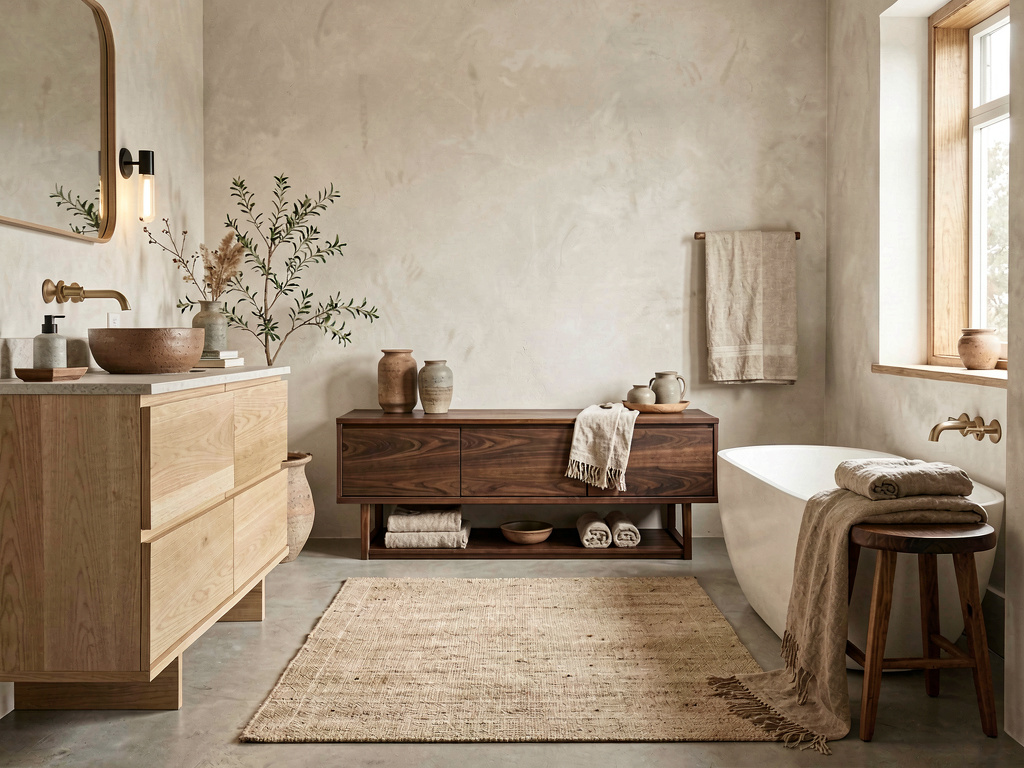
Japandi bathroom
A wood-and-stone vanity with a vessel sink, matte black fixtures, and warm neutral tile. The bathroom feels like a Japanese ryokan — tranquil and grounding.
View design ideas →
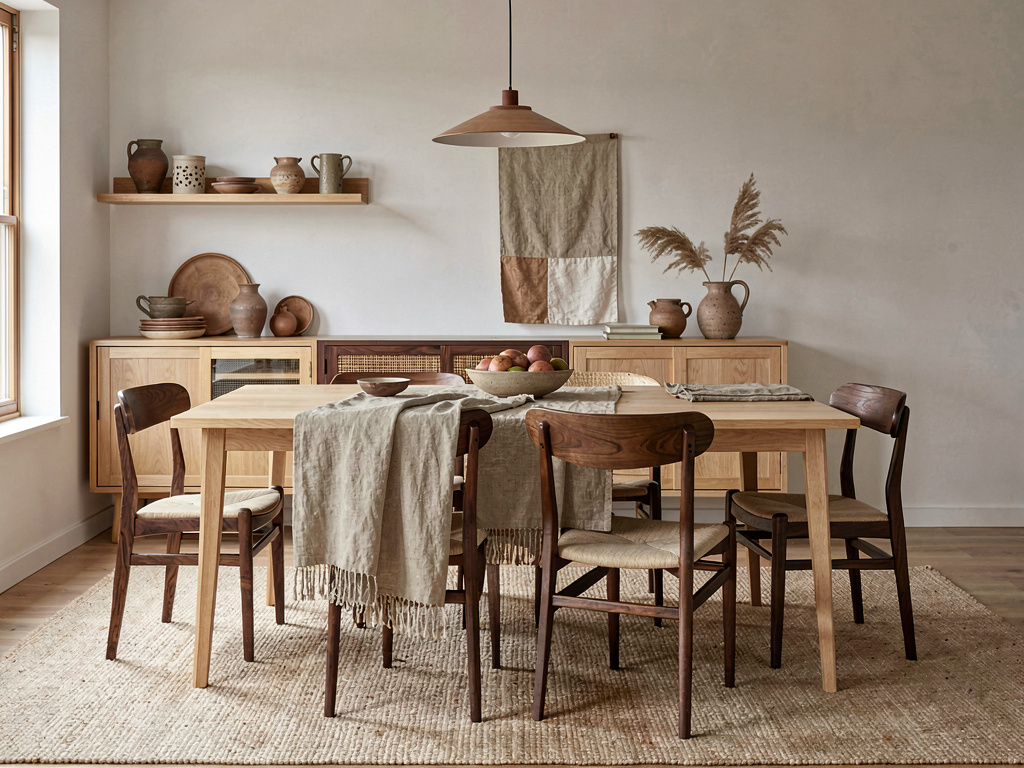
Japandi dining room
A low wooden table with simple chairs in mixed light and dark wood. A ceramic tea set and a linen runner are the only table elements.
View design ideas →
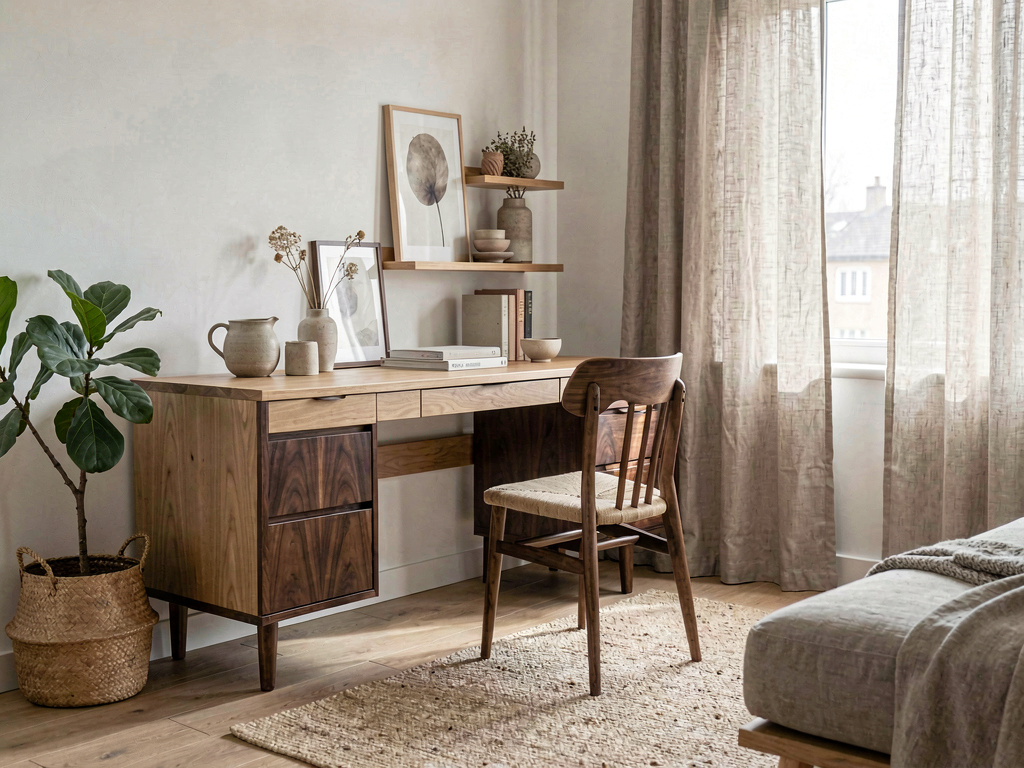
Japandi home office
A walnut desk with a light oak shelf above. One plant, one ceramic pen holder, one lamp. Negative space on the desk is maintained, not filled.
View design ideas →
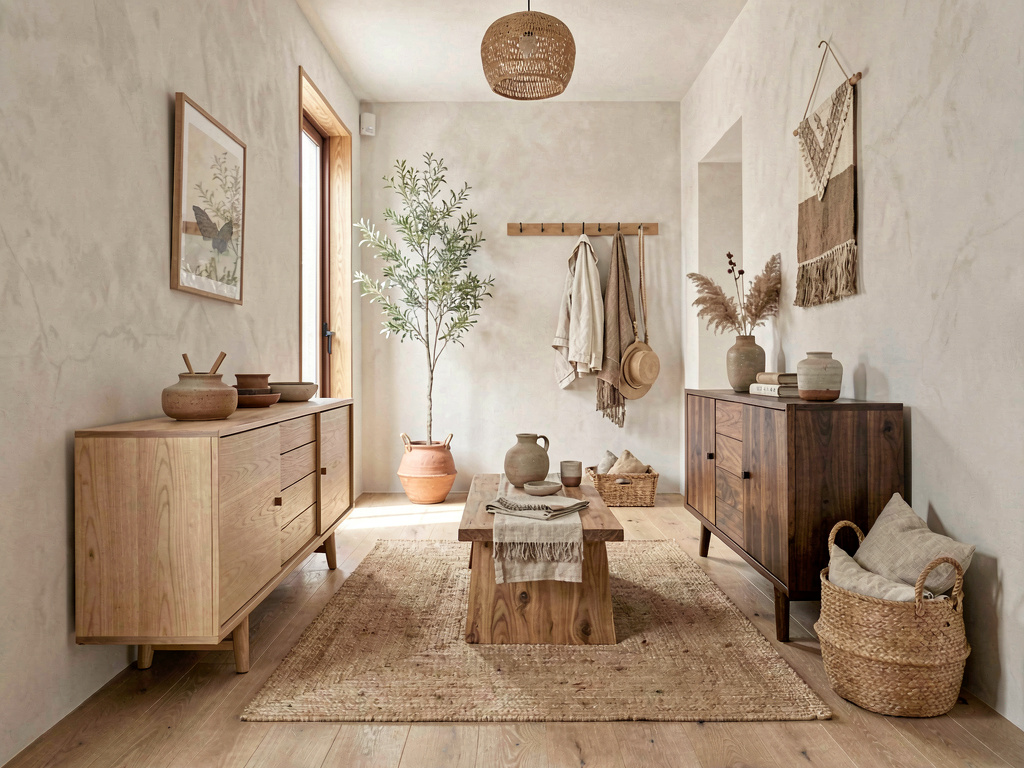
Japandi entryway
A low walnut bench with a woven shoe basket underneath. A single round mirror and one hook. The entry sets the tone for the entire home.
View design ideas →
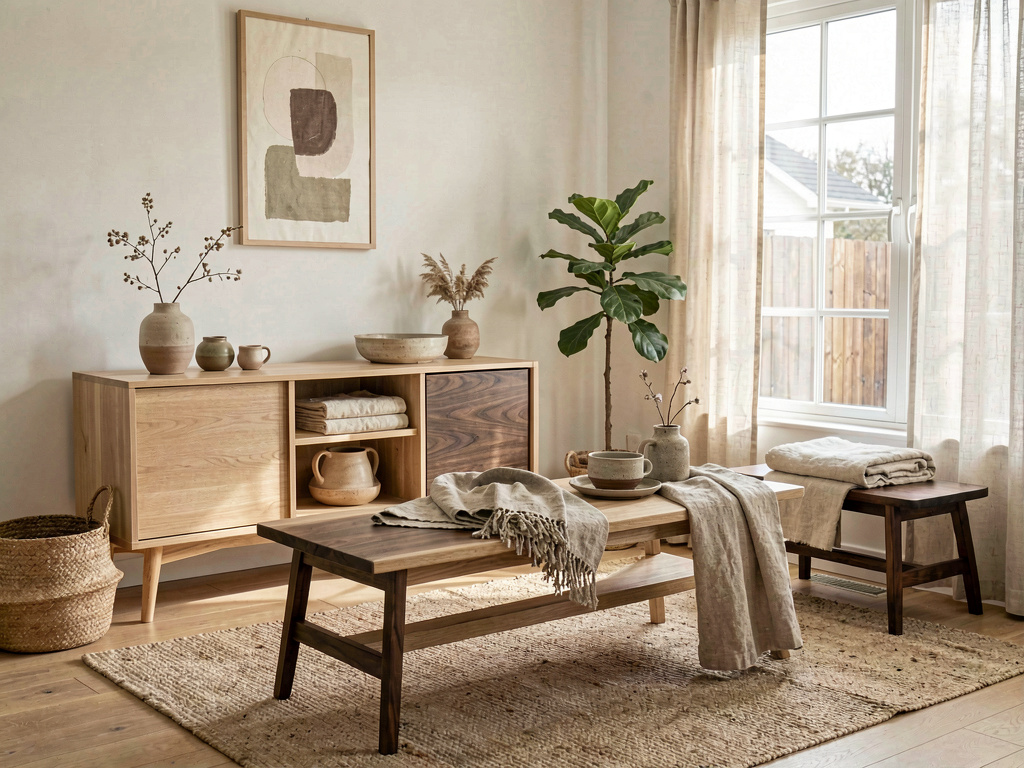
Japandi nursery
A low natural wood crib with simple linen bedding. One mobile in natural materials hangs above. The room has more open space than furniture.
View design ideas →
Key characteristics of japandi design
- Low-profile furniture close to the ground
- Mix of light Scandinavian wood and dark Japanese wood
- Emphasis on negative space and breathing room
- Handcrafted ceramics and natural textiles
- Muted, earthy color palette with black accents
Common materials
How much does a japandi makeover cost?
$4,000 – $20,000
Typical living room makeover
Japandi sits in the mid-range because the style values quality craftsmanship over quantity. Key pieces tend to be handmade or artisanal, which costs more than mass-produced alternatives. A quality Japandi coffee table runs $300-$1,200. Ceramic tableware from Japanese or Scandinavian makers costs $50-$150 per piece. The savings come from buying fewer items overall — Japandi rooms have less furniture than most other styles.
See your room remodeled with japandi style — AI does it in seconds
Upload a photo and get your room remodeled with AI in japandi style — takes about 10 seconds, no design skills needed.
Try It FreeFrequently asked questions
What is Japandi style?
Japandi blends Japanese and Scandinavian design principles. From Japan it takes wabi-sabi (beauty in imperfection), low furniture, and respect for craftsmanship. From Scandinavia it takes functionality, light wood, and cozy textiles. The result is minimal, warm, and intentional.
Is Japandi just minimalism?
Not exactly. Minimalism aims to reduce everything to the bare essentials. Japandi is warm and lived-in — it allows for decorative objects as long as they're meaningful and well-crafted. A handmade ceramic vase or a woven textile has a place in Japandi that pure minimalism might reject.
What furniture brands are Japandi?
Muji is the most accessible Japanese-influenced option. On the Scandinavian side, HAY, Ferm Living, and IKEA's higher-end lines work well. Niche brands like Karimoku (Japan) and Skagerak (Denmark) are more authentic but pricier. Mixing a Muji shelf with an IKEA sofa and handmade ceramics from a local potter is the most practical approach.
Related styles
Related articles

Your next renovation starts
with a photo
Upload a room. See it transformed. 3 free designs, no credit card.

