Japandi Living room Ideas
Japandi living room ideas blending Japanese and Scandinavian design. AI-generated examples with clean forms and organic textures.
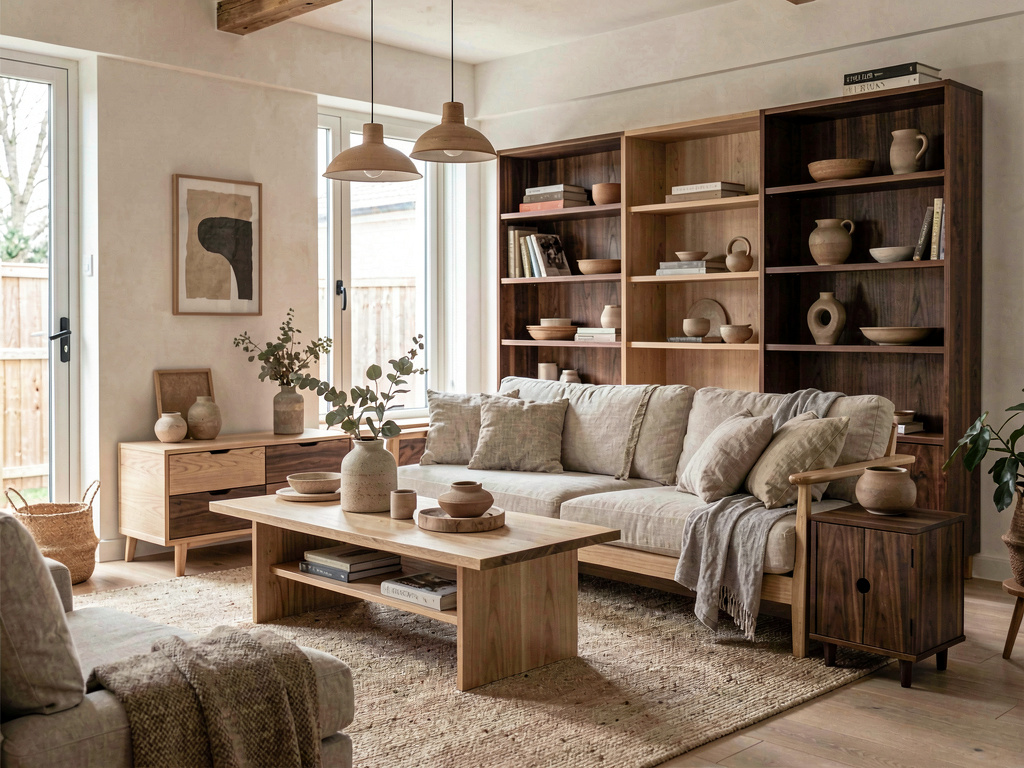
Japandi living room ideas blend the best of two design philosophies: Japanese wabi-sabi (beauty in imperfection) and Scandinavian hygge (cozy comfort). The furniture sits low — a sofa with a low back, a coffee table close to the ground, floor cushions for extra seating. The palette mixes Scandinavian light tones with Japanese dark accents: warm white walls, pale oak shelving, a charcoal sofa, and black metal accents. Textiles are natural and tactile — undyed linen, handwoven wool, raw cotton. Decoration is sparse but considered: a single ceramic vase with one branch, a hand-thrown bowl on the coffee table, a woven wall hanging. The room has breathing room — open floor space is a design element, not wasted space.
Japandi living room from every angle
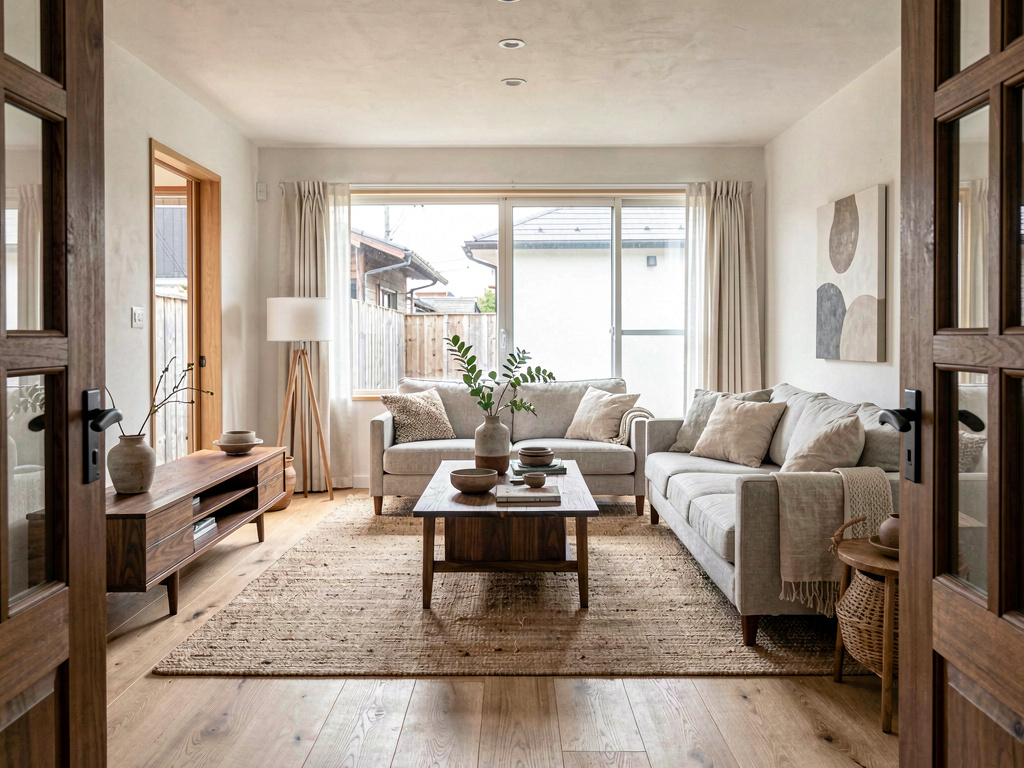
A wide angle view of this japandi living room showing the full layout and natural light flow.
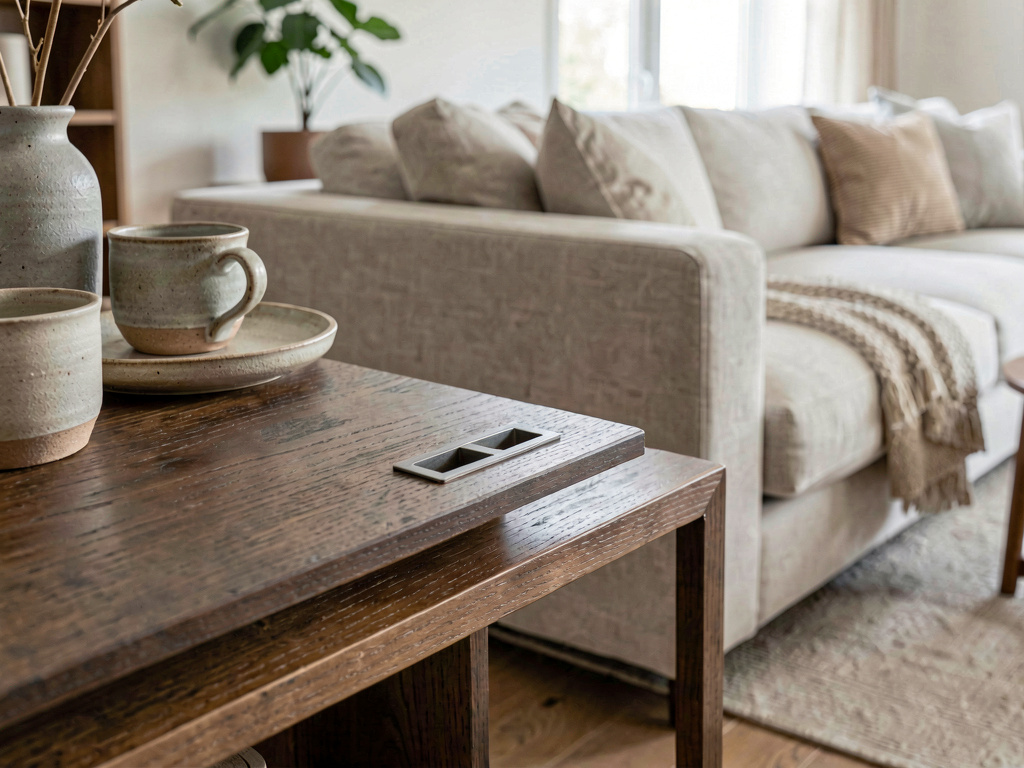
Close-up of the materials, textures, and finishes that define the japandi look in this living room.
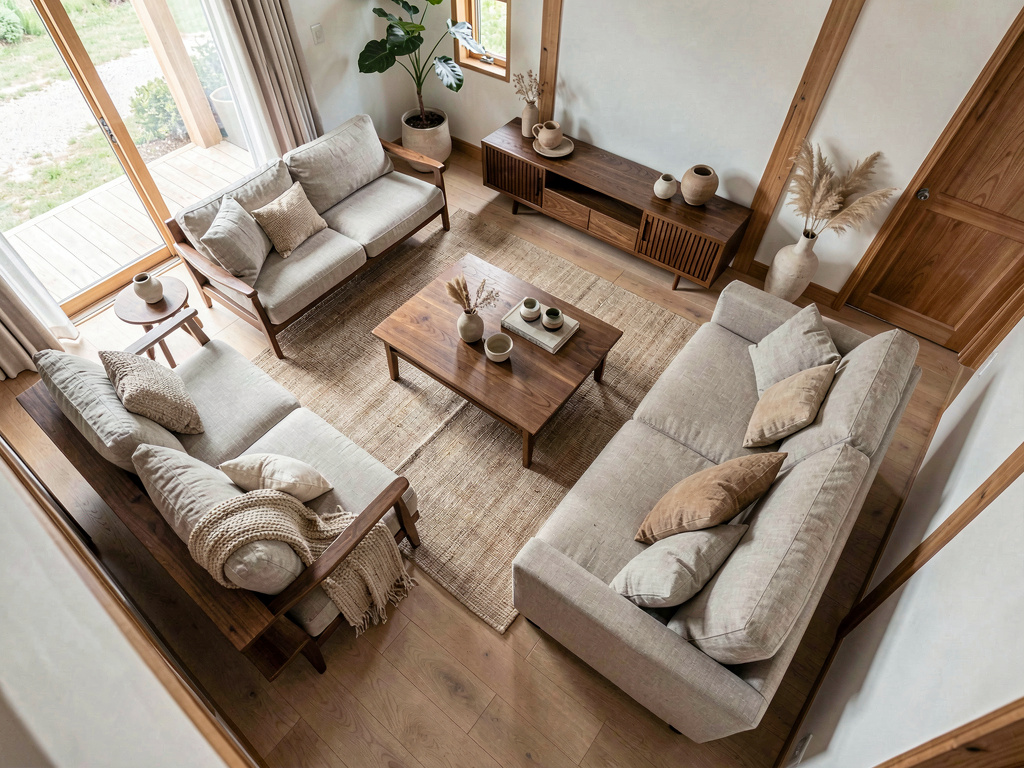
An alternate perspective showing how japandi design elements work together in this living room.
How to design a japandi living room
Keep furniture low to the ground — a sofa with a seat height under 16 inches and a coffee table under 14 inches creates Japandi proportions
Mix light and dark wood in the same room: pale oak for shelving and tables, dark walnut for the TV console or one accent piece
Leave one wall completely empty — negative space (ma in Japanese) is a core Japandi principle, not something to fill
Choose handmade ceramics over machine-made accessories — the irregularity of hand-thrown pottery is central to the wabi-sabi element
Use one woven textile as a wall hanging or draped over a rattan chair to add warmth without visual clutter
Japandi living room color palette
Warm white
#F0EBE0
Light oak
#C8B28A
Dark walnut
#4A3728
Charcoal
#3E3E3E
Sage
#8A9A7B
How much does a japandi living room cost?
$4,000 – $15,000
Typical living room makeover
Japandi values quality craftsmanship, so pieces tend to cost more individually — but you buy fewer. A Japandi-style low sofa: $1,200-$4,000. Handmade ceramic accessories: $30-$150 each. A quality walnut coffee table: $400-$1,200. Linen cushions: $30-$80 each. Budget path: MUJI, IKEA Stockholm line, and Etsy for handmade ceramics. Mix MUJI storage with one or two artisan pieces for the right balance of accessible and crafted.
See your living room remodeled with AI — japandi style, free
Upload a photo of your living room and get it remodeled with AI in japandi style in about 10 seconds. No design skills needed.
Try It FreeFrequently asked questions
What makes a living room Japandi?
Three things: low furniture, mixed light and dark wood tones, and visible empty space. If your sofa sits low, you have both pale and dark wood elements, and at least one wall or corner is intentionally empty, the room reads as Japandi. Add handmade ceramics and natural textiles to complete it.
Is Japandi good for small living rooms?
It's ideal. Japandi developed partly in small Tokyo apartments and Copenhagen flats. Low furniture makes ceilings feel taller. Minimal decoration prevents clutter. The emphasis on open floor space actually works better in small rooms where every square foot matters. It's one of the few styles that improves as the room shrinks.
Where do I buy Japandi furniture?
MUJI is the most accessible option for Japanese-influenced pieces. IKEA's Stockholm and Sinnerlig lines hit the Scandinavian side. West Elm and Article carry Japandi-friendly options. For authentic Japanese pieces: Karimoku, Maruni, or Ariake. For the hybrid look: mix a MUJI shelf with an IKEA sofa and Etsy handmade ceramics.
Japandi design in other rooms
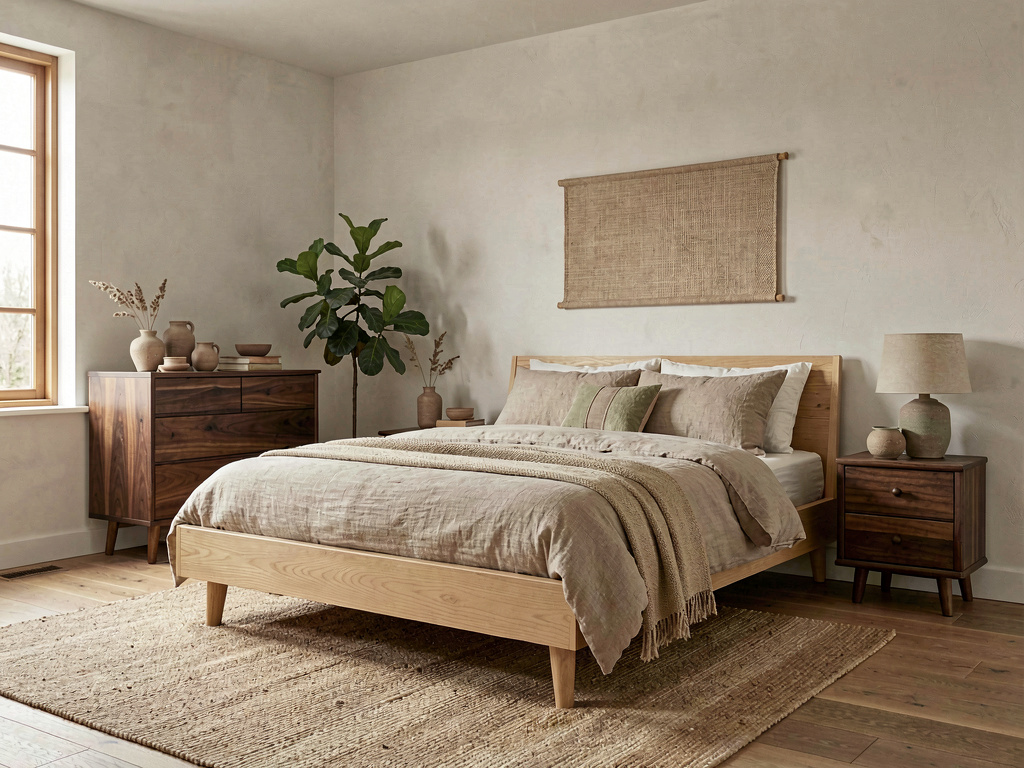
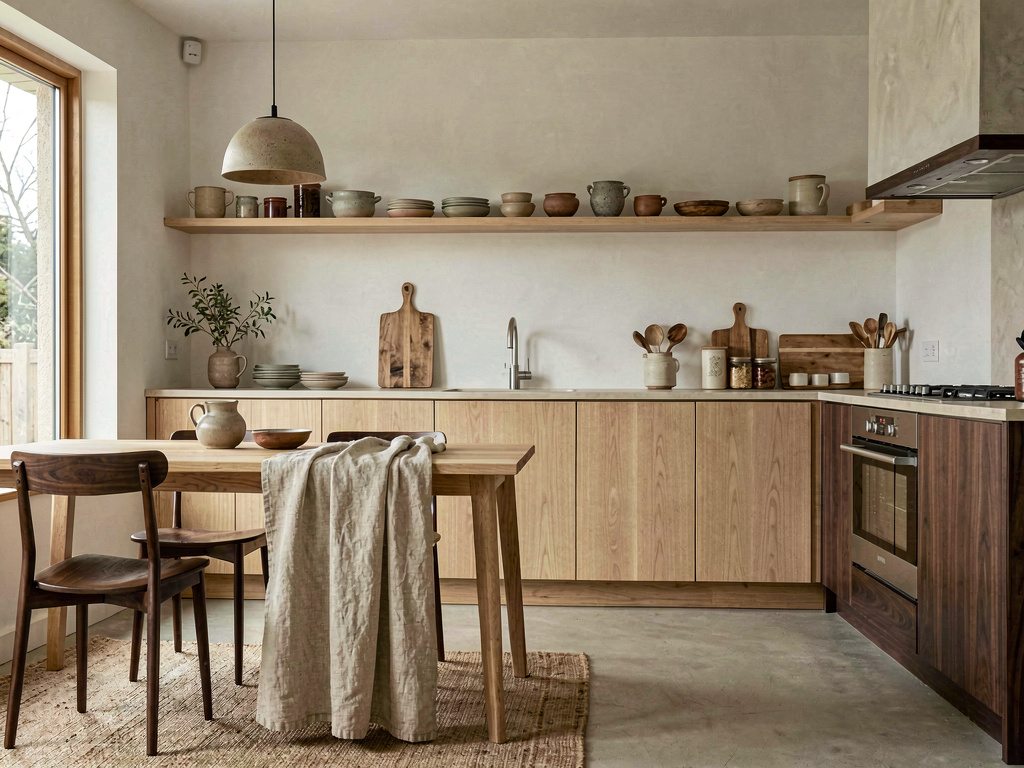
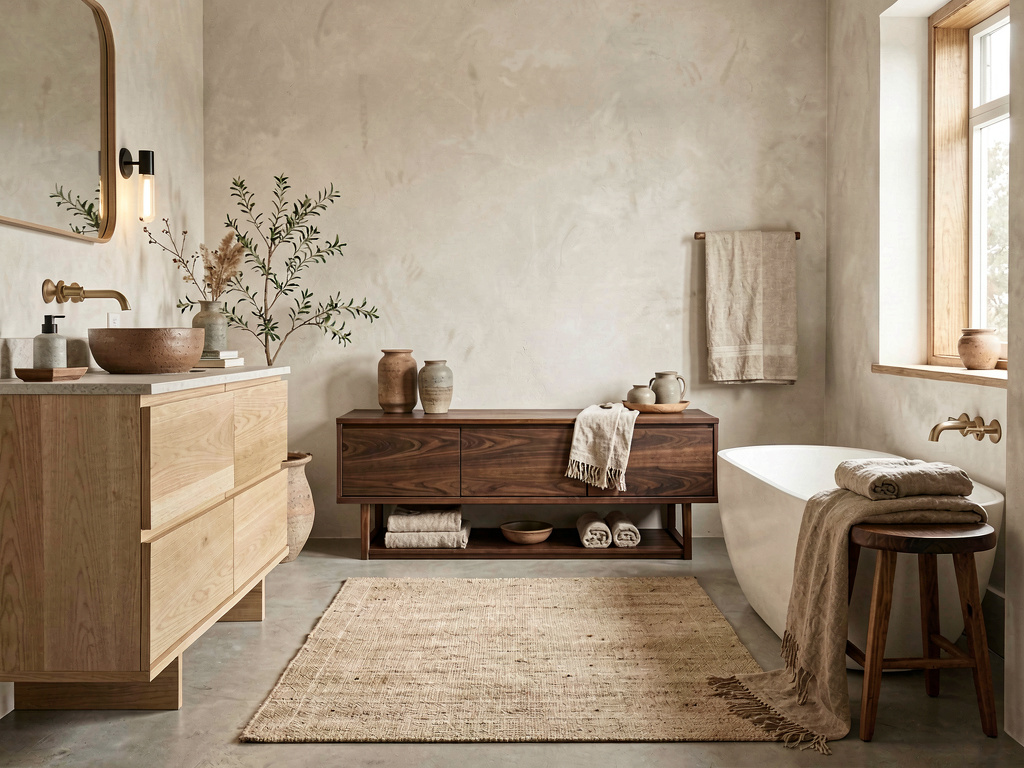
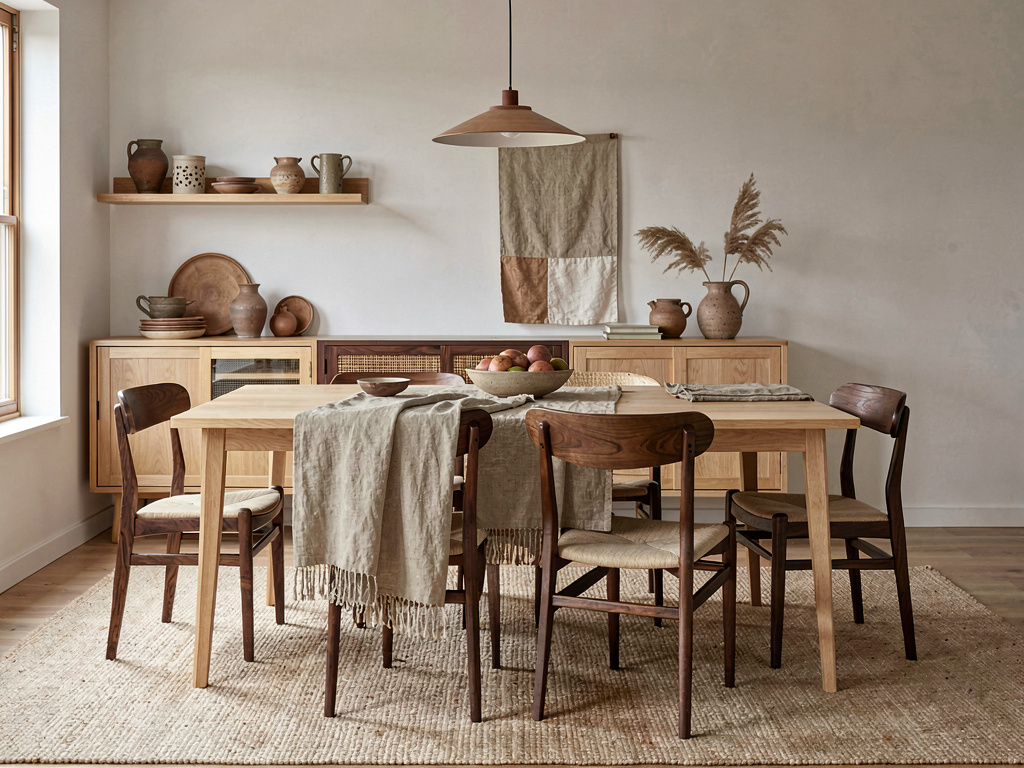
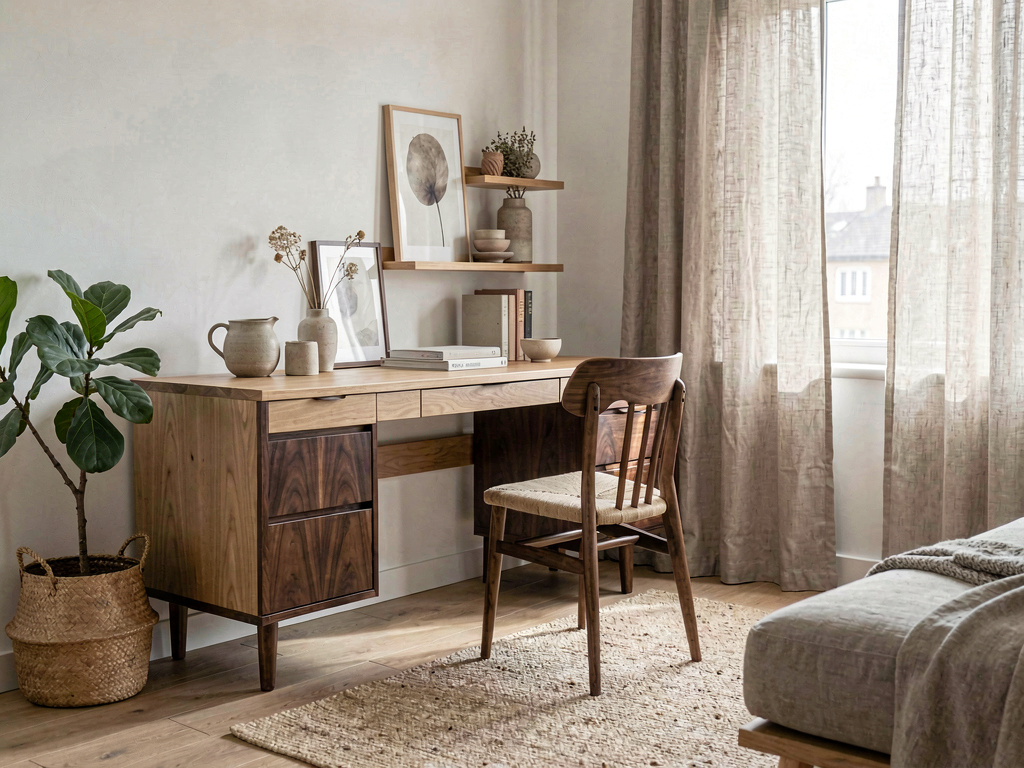
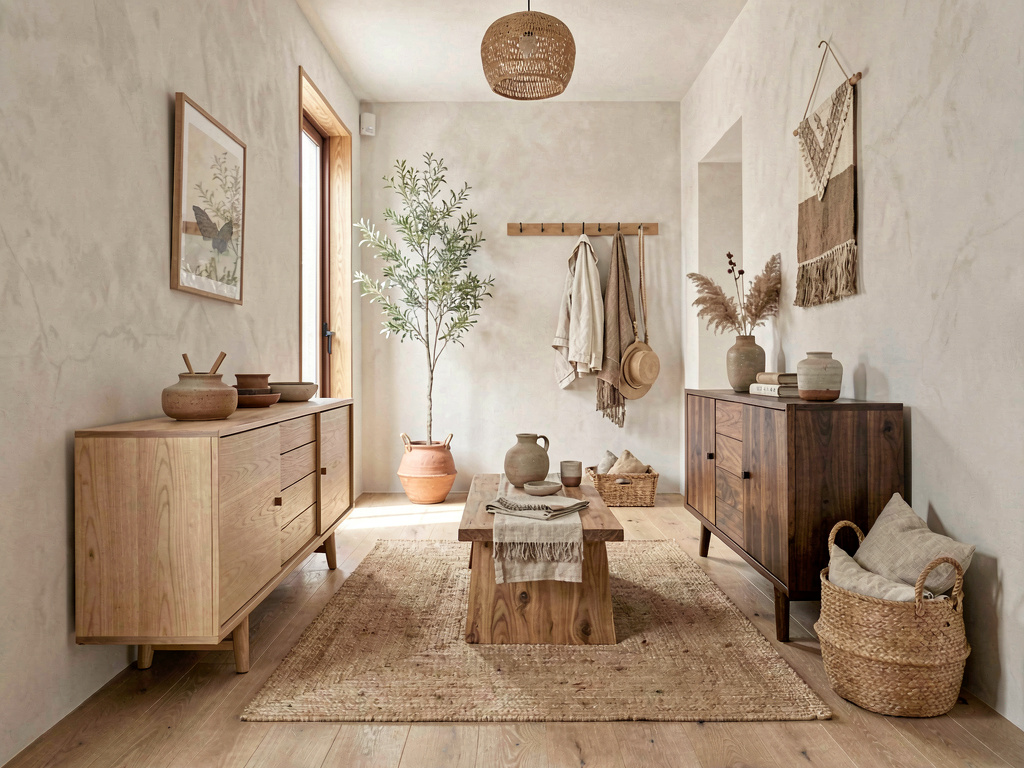
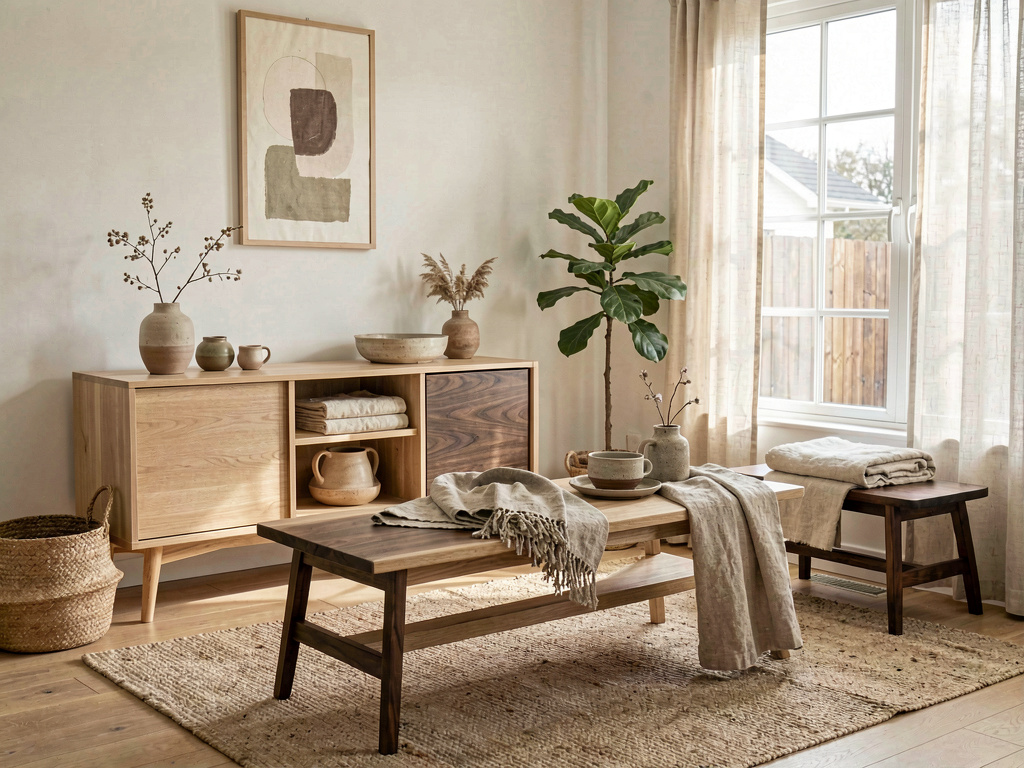
Other living room styles
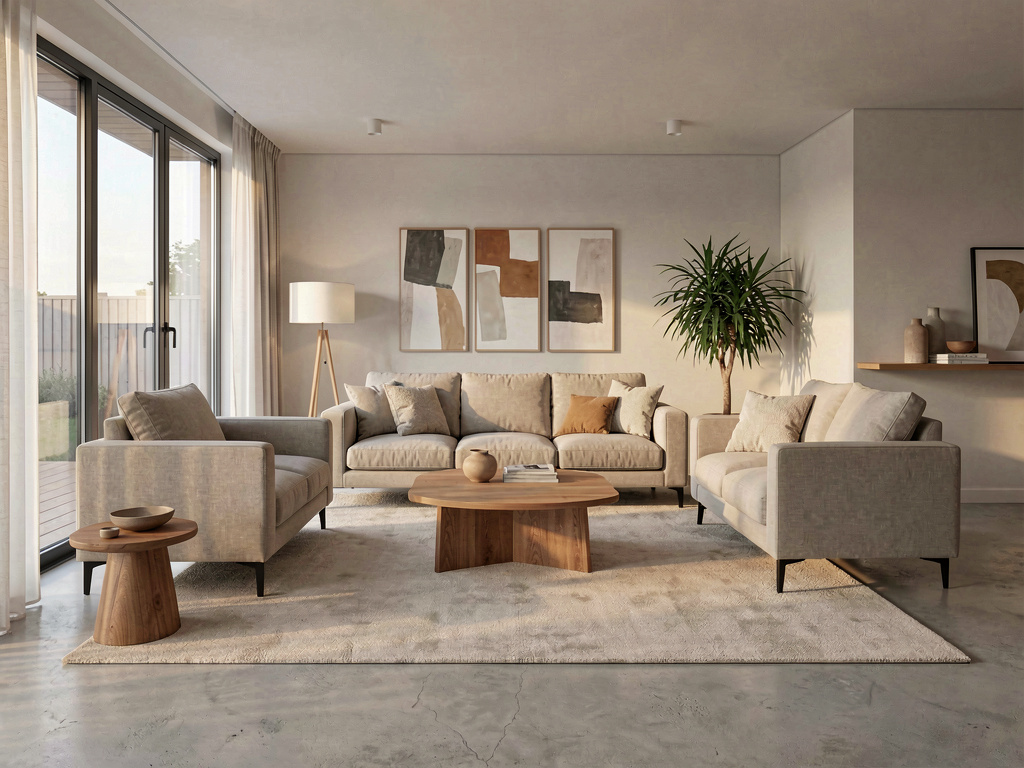
Modern Living room
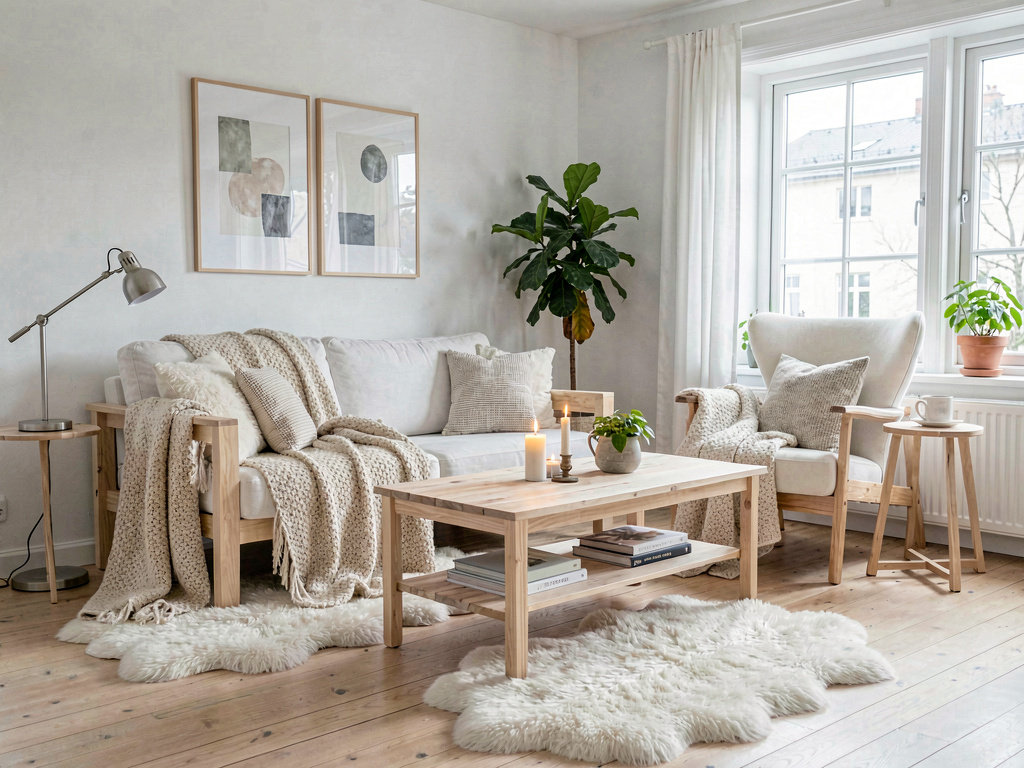
Scandinavian Living room
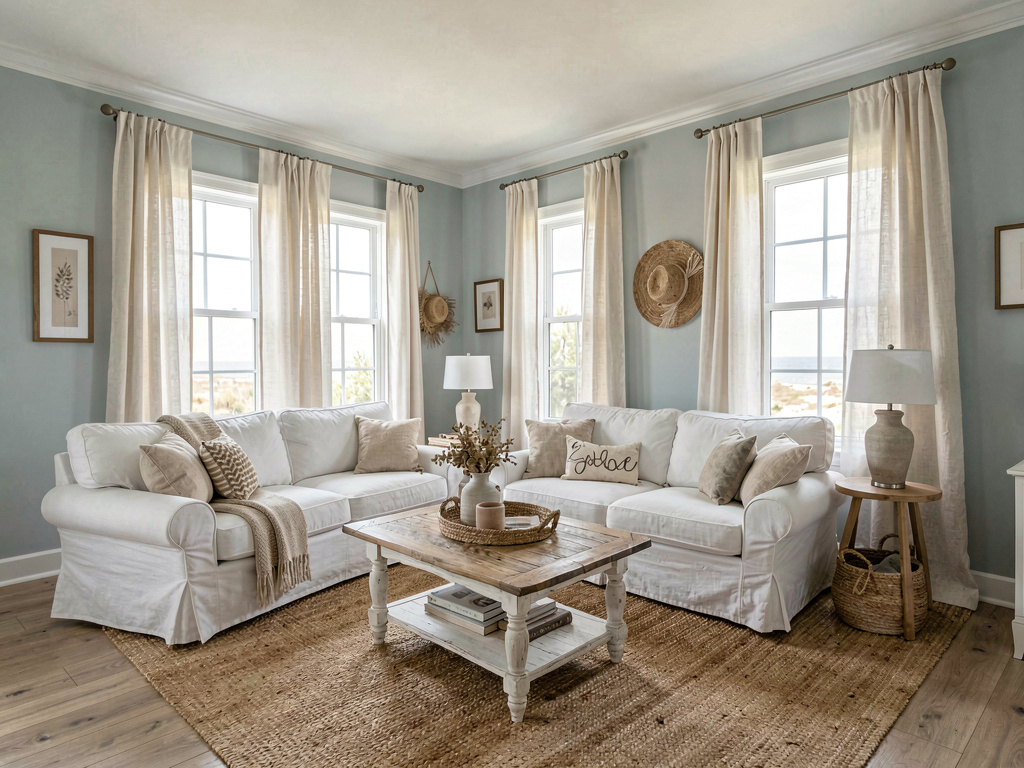
Coastal Living room
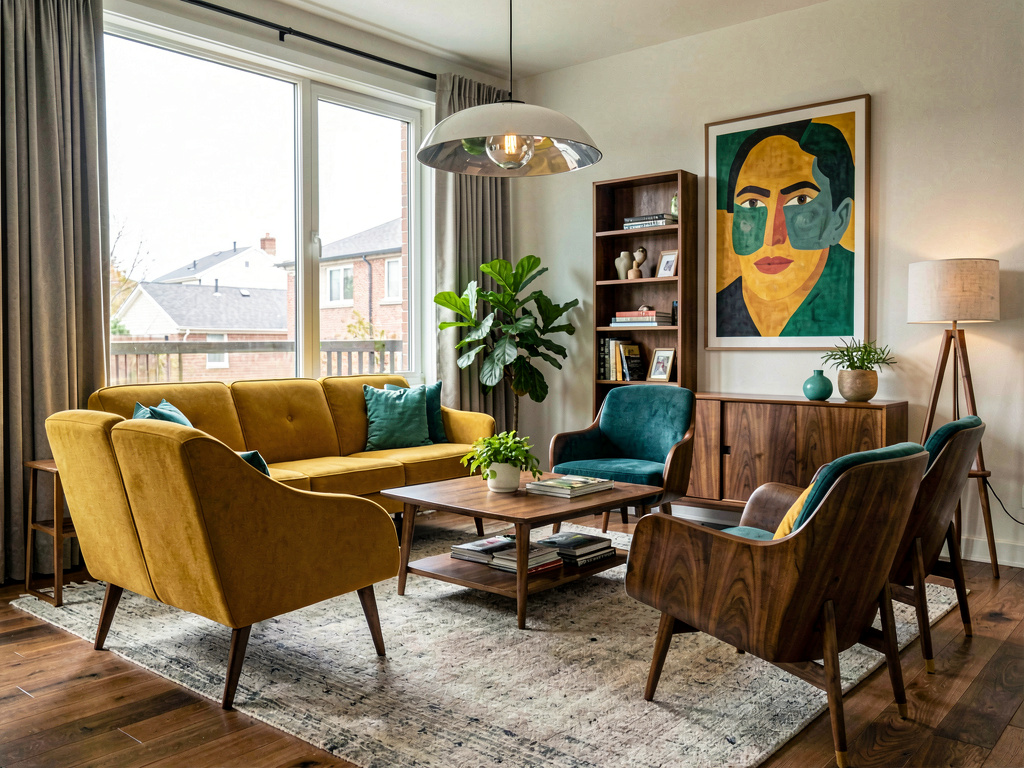
Mid-Century Modern Living room
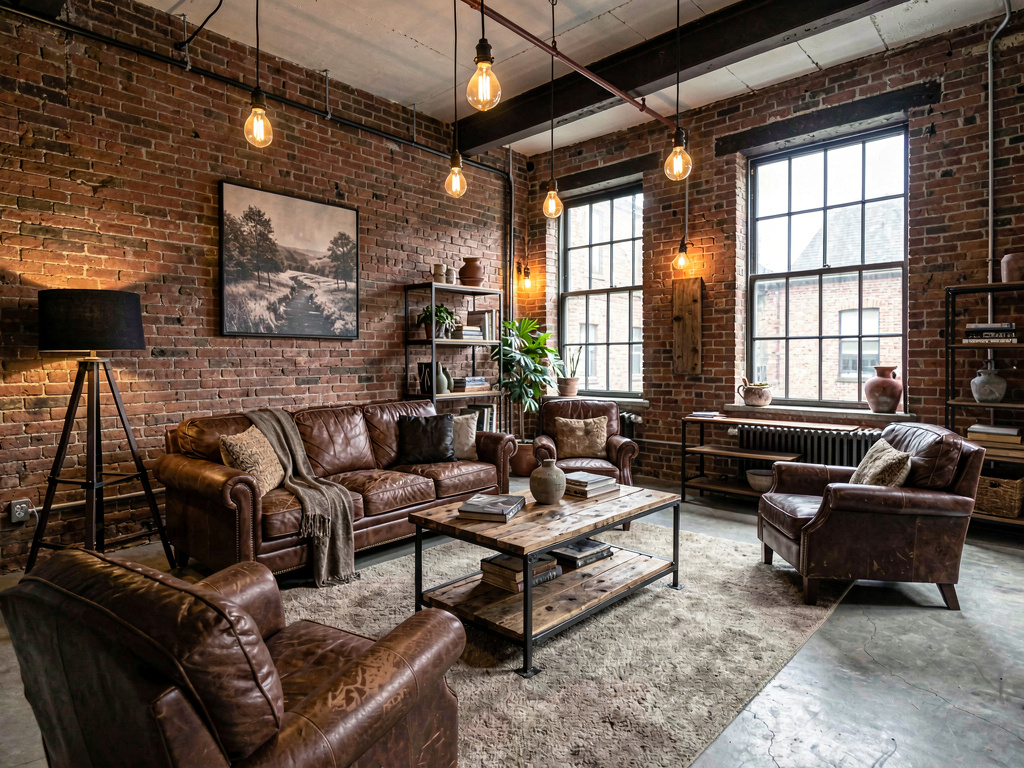
Industrial Living room
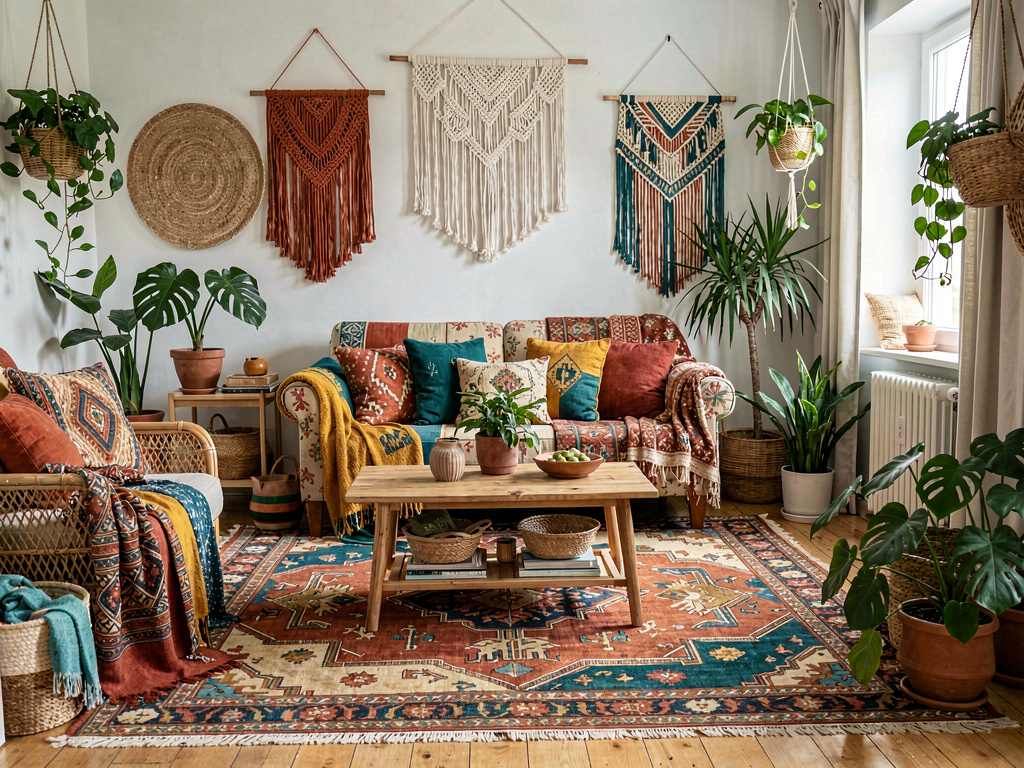
Bohemian Living room
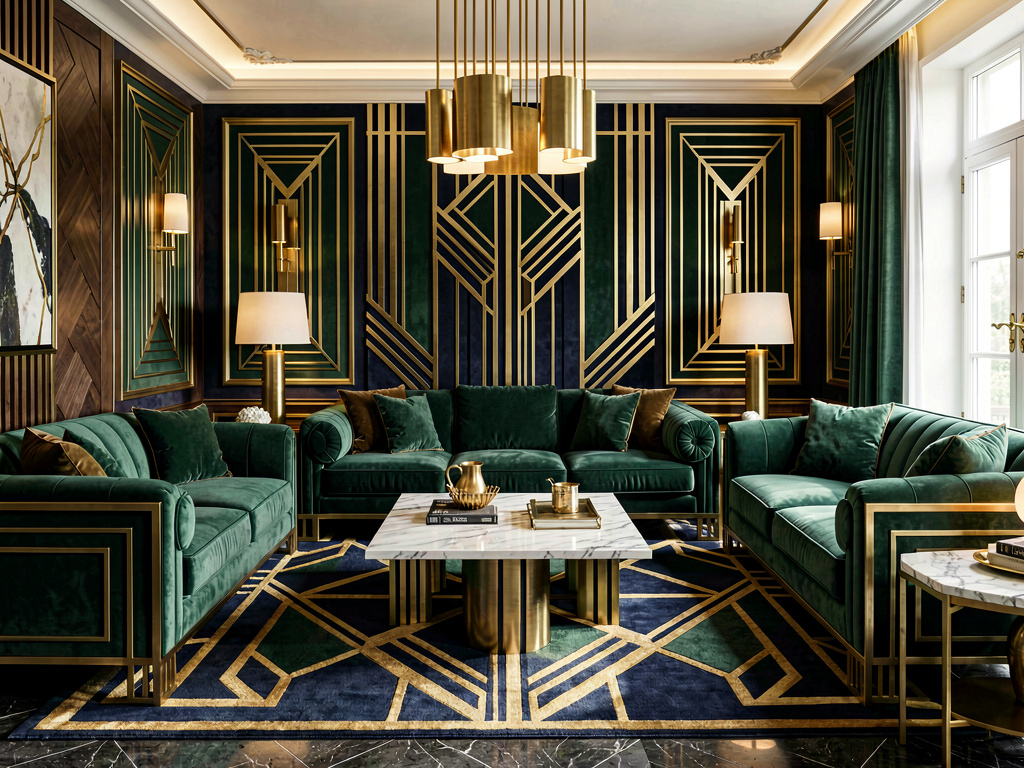
Art Deco Living room
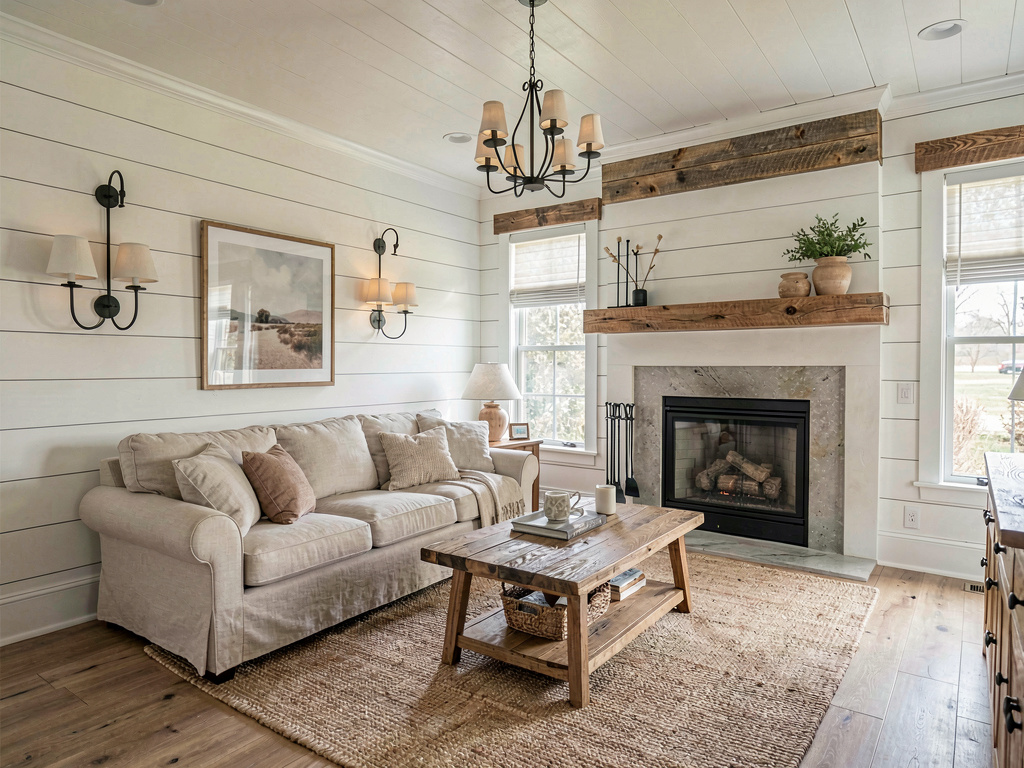
Farmhouse Living room
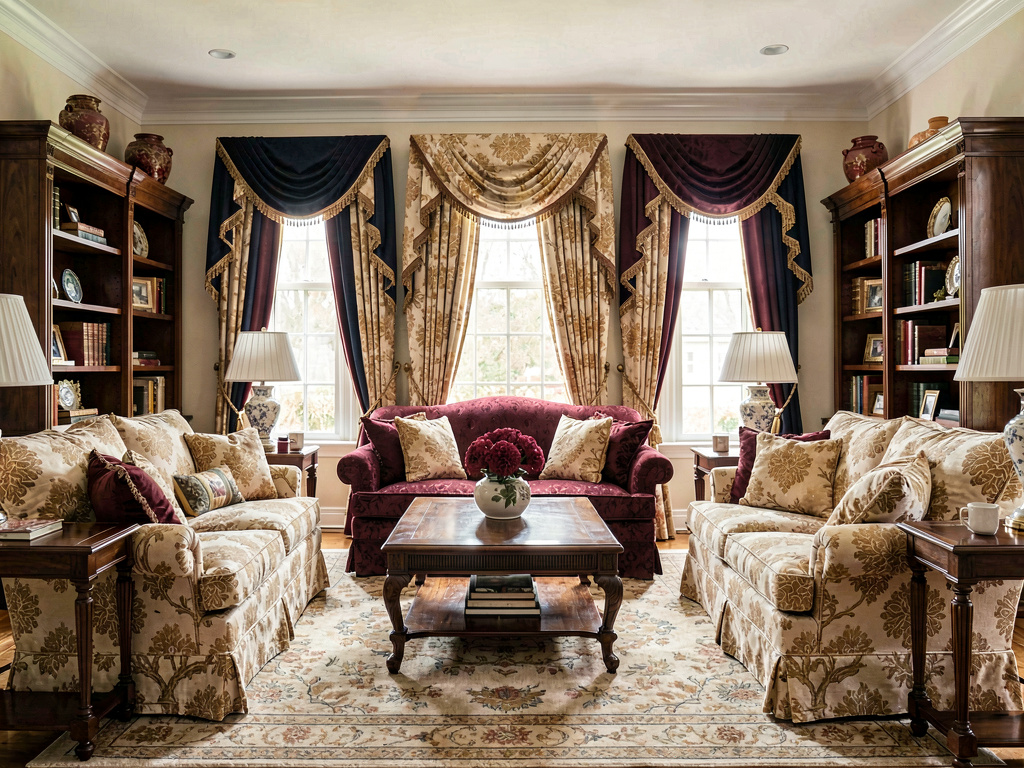
Traditional Living room
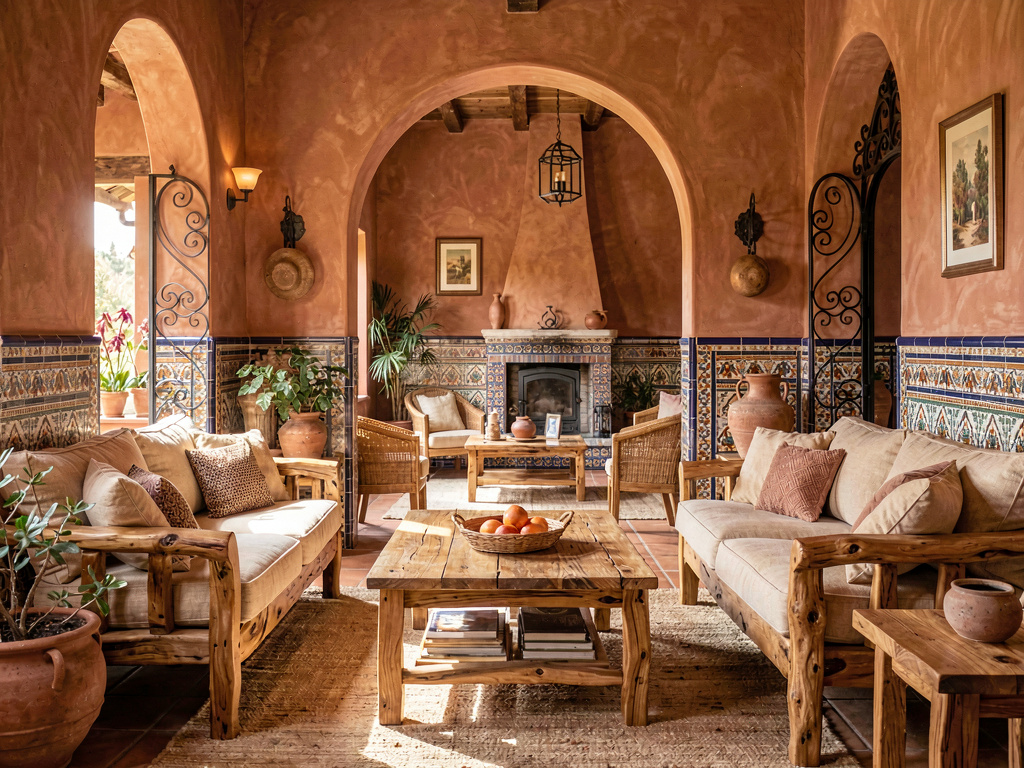
Mediterranean Living room
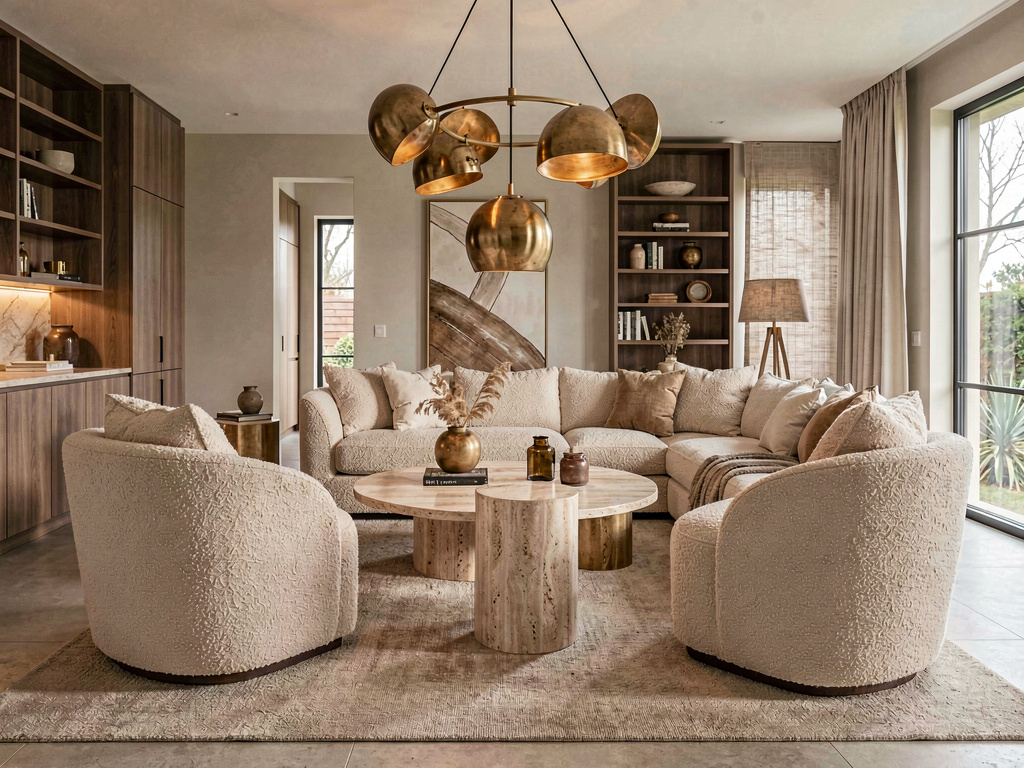
Contemporary Living room
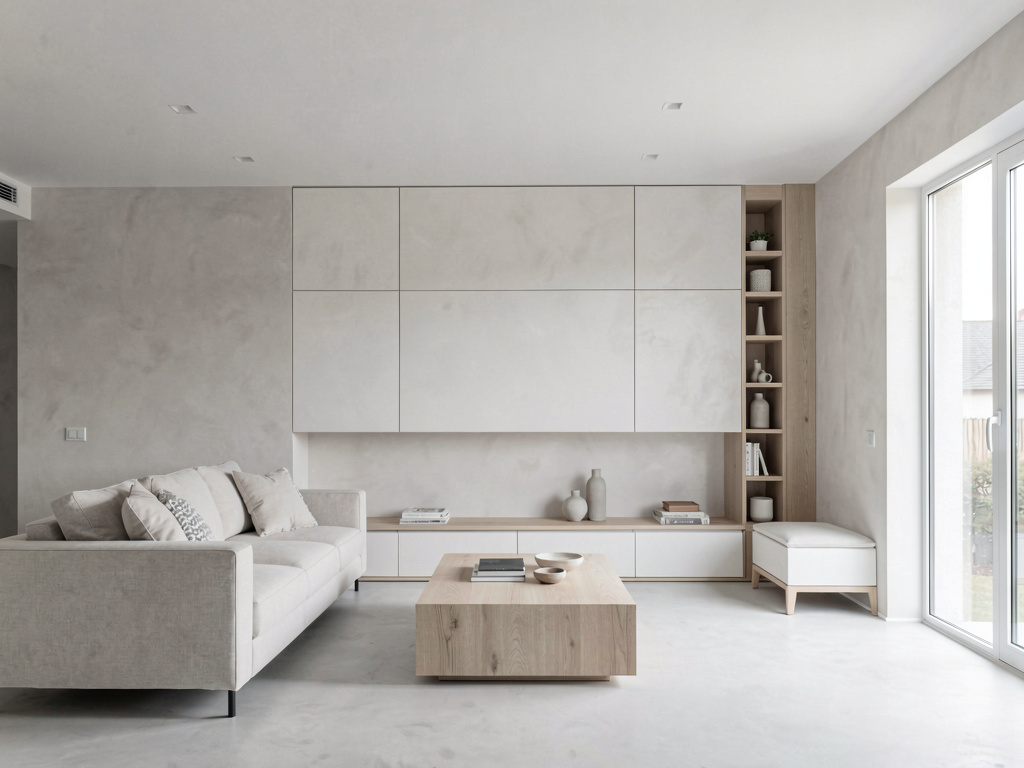
Minimalist Living room
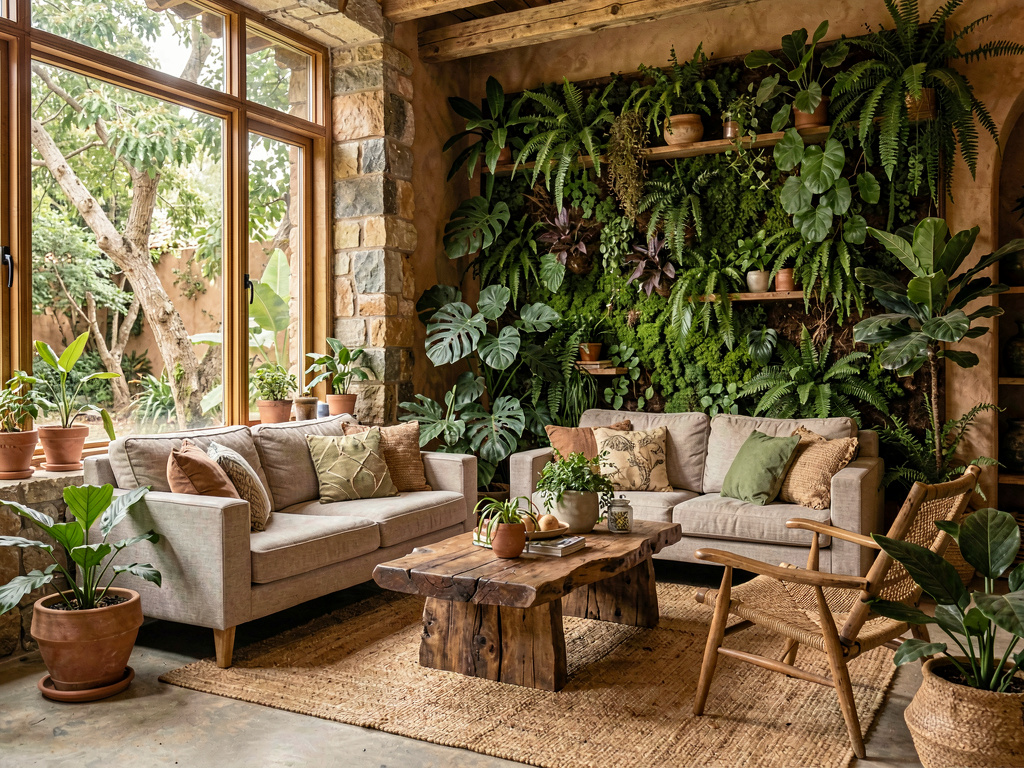
Biophilic Living room
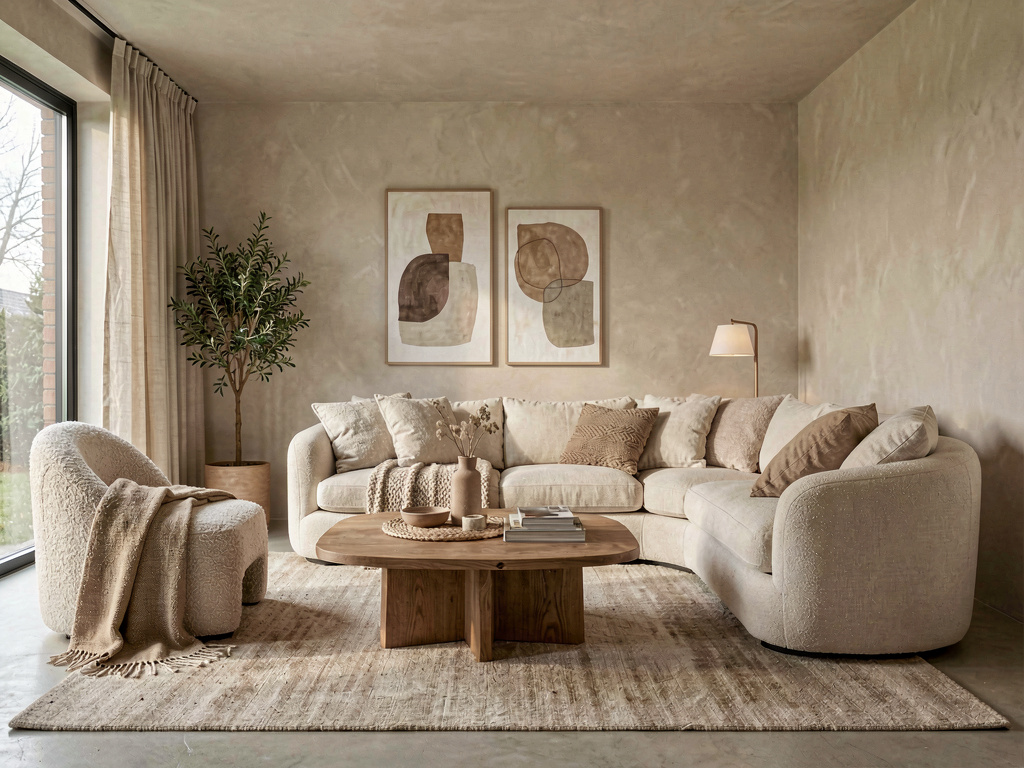
Warm Minimalism Living room
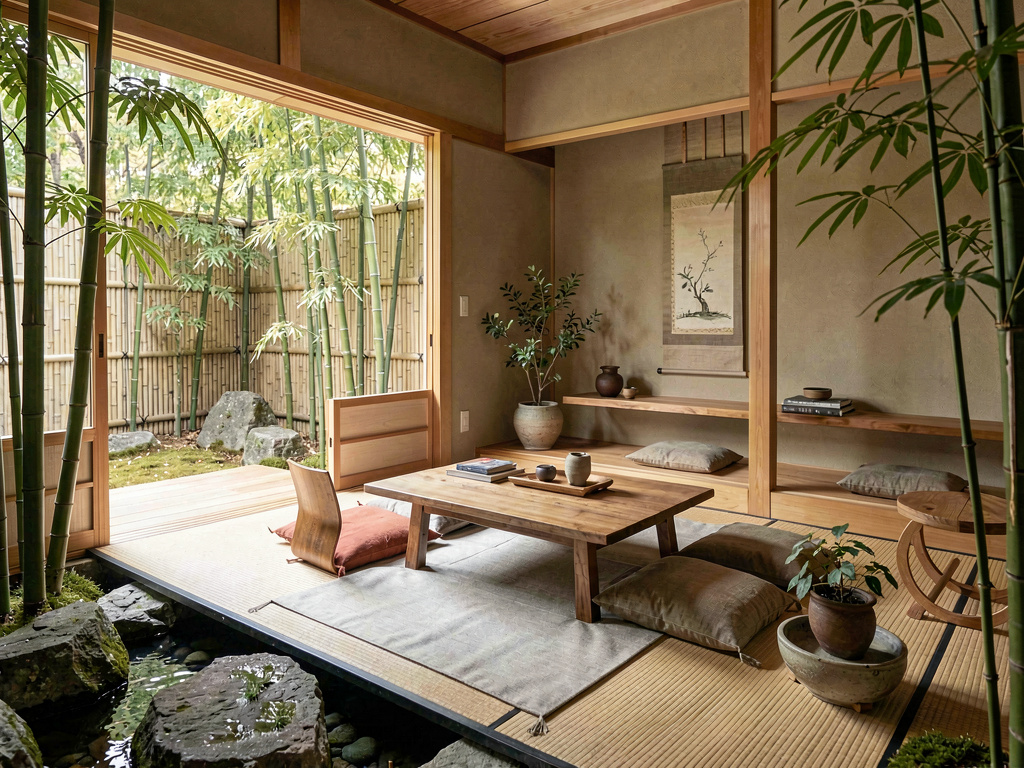
Zen Living room
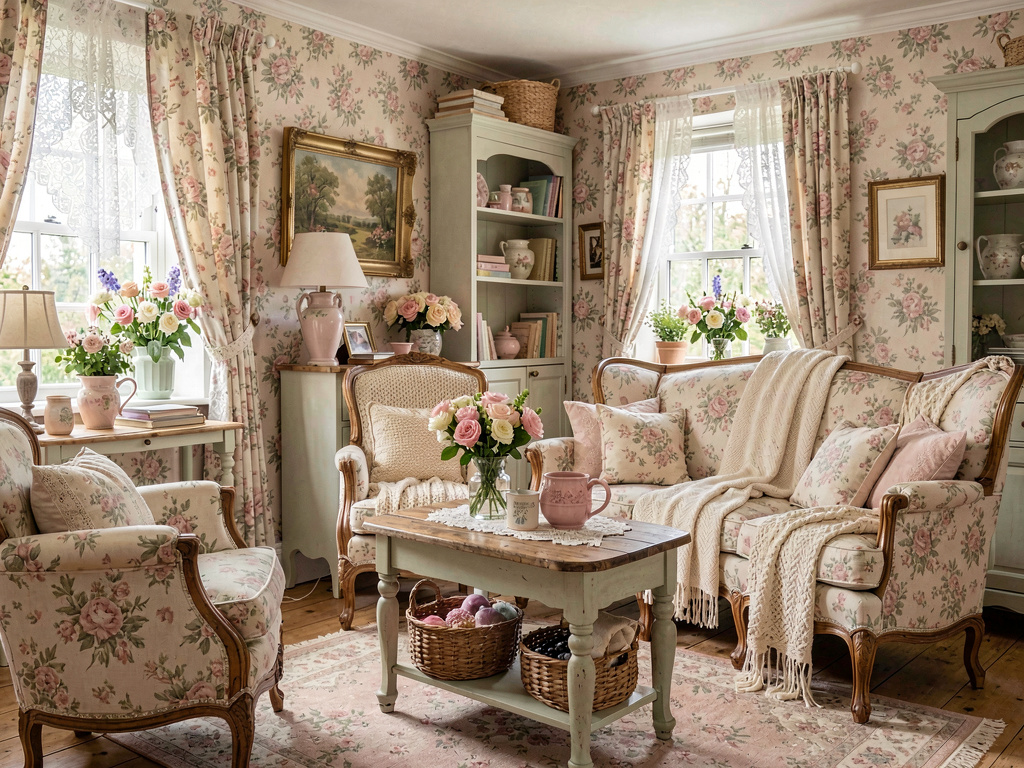
Cottagecore Living room
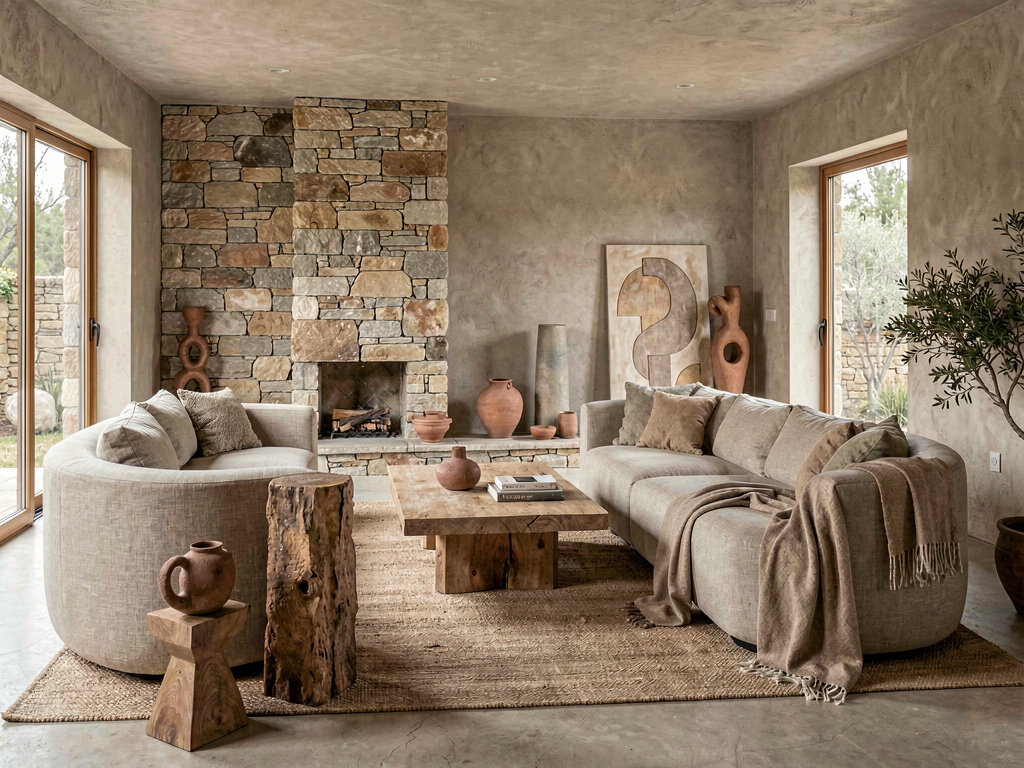
Organic Modern Living room
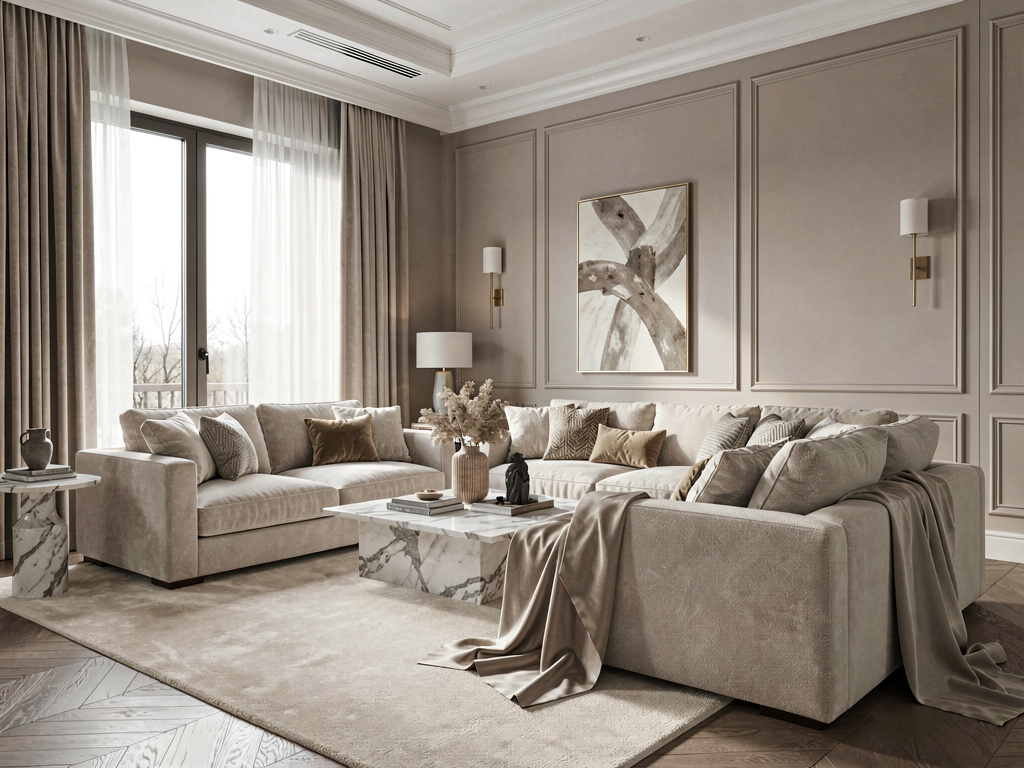
Quiet Luxury Living room
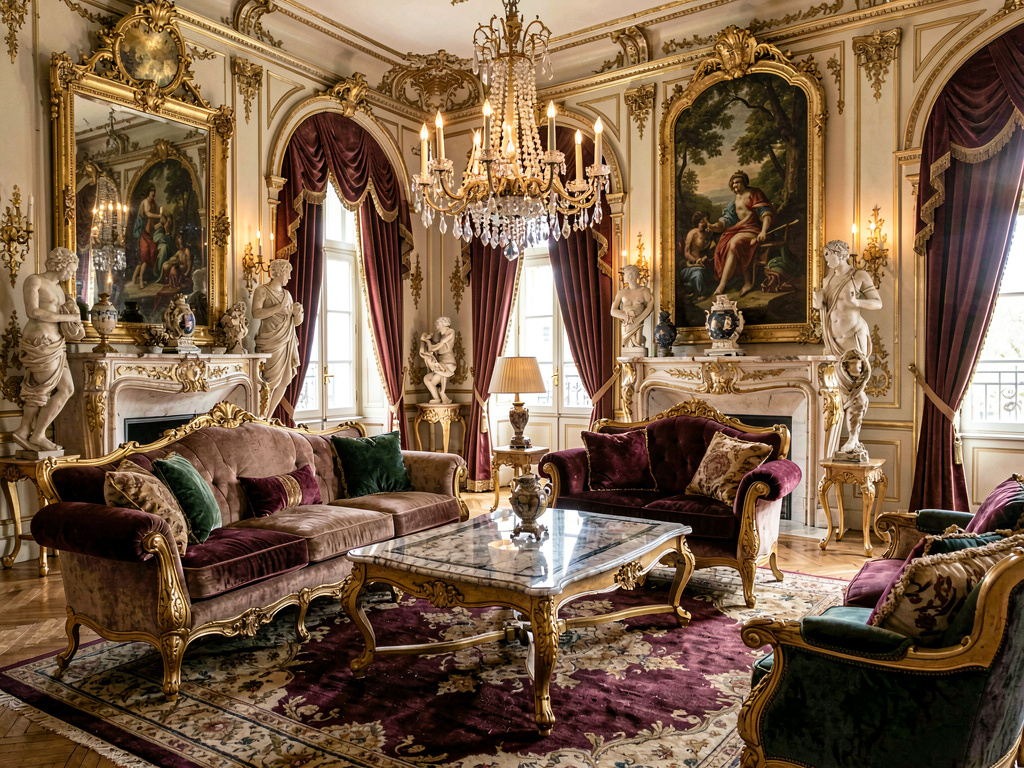
Baroque Living room
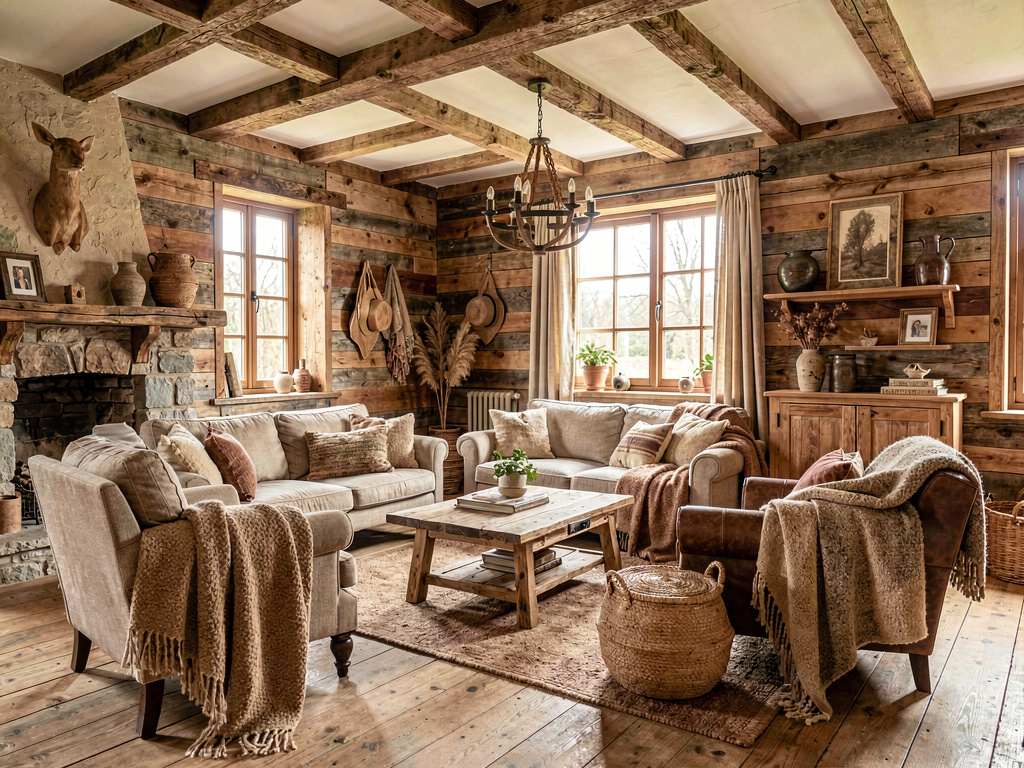
Rustic Living room
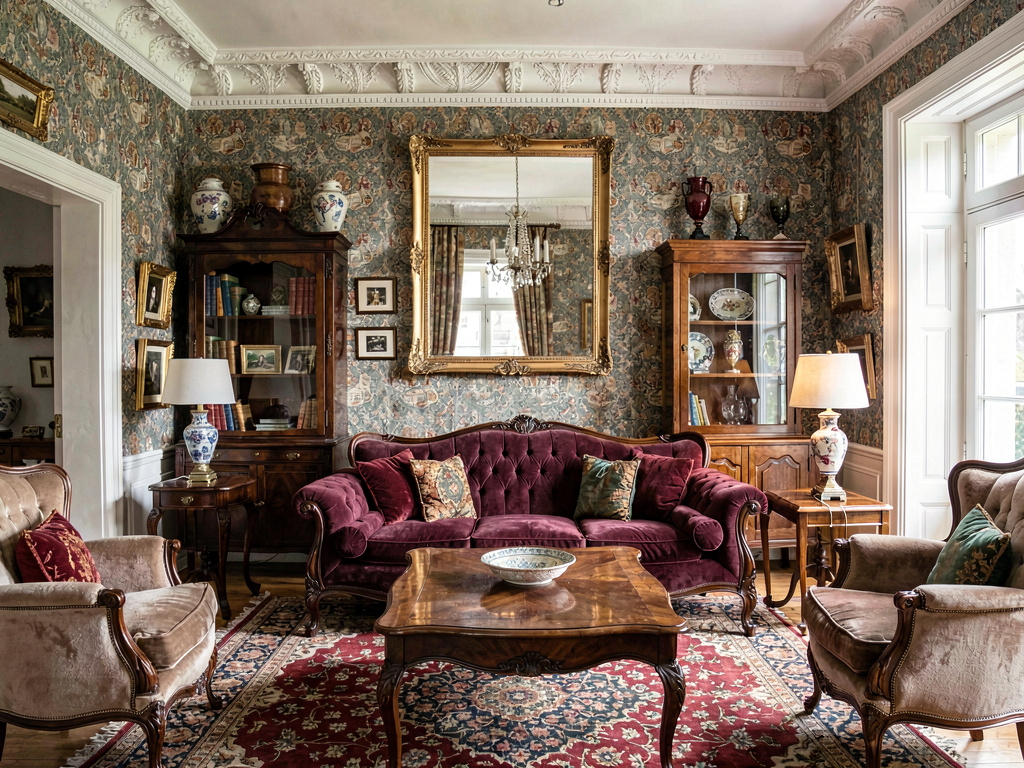
Victorian Living room
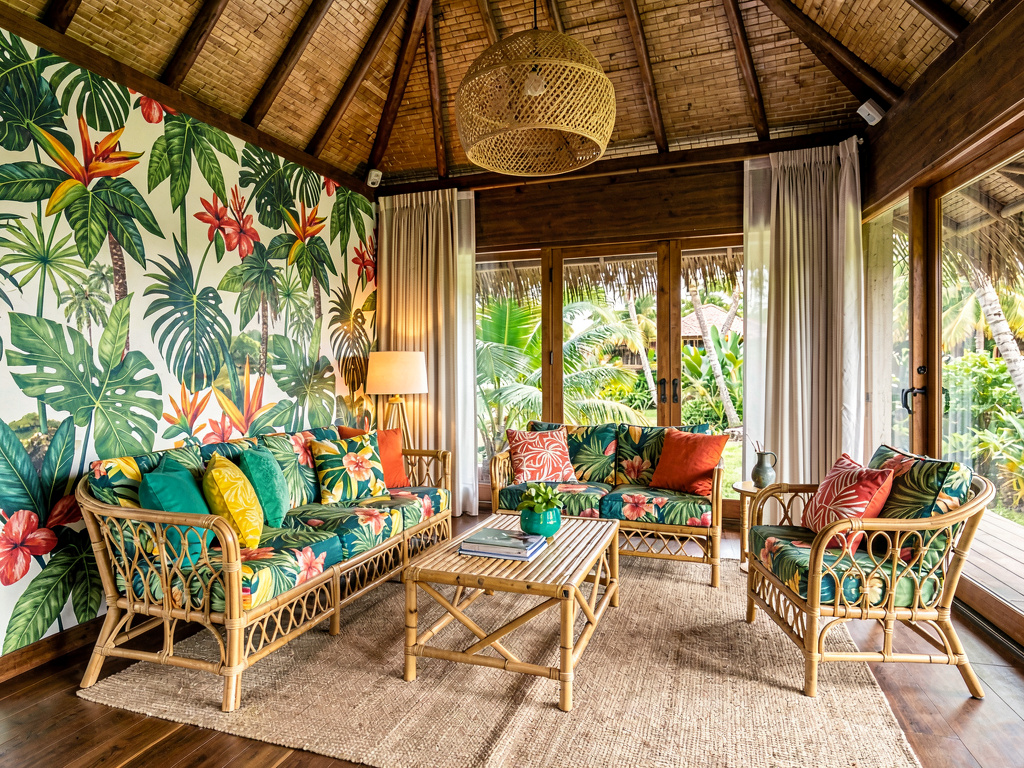
Tropical Living room
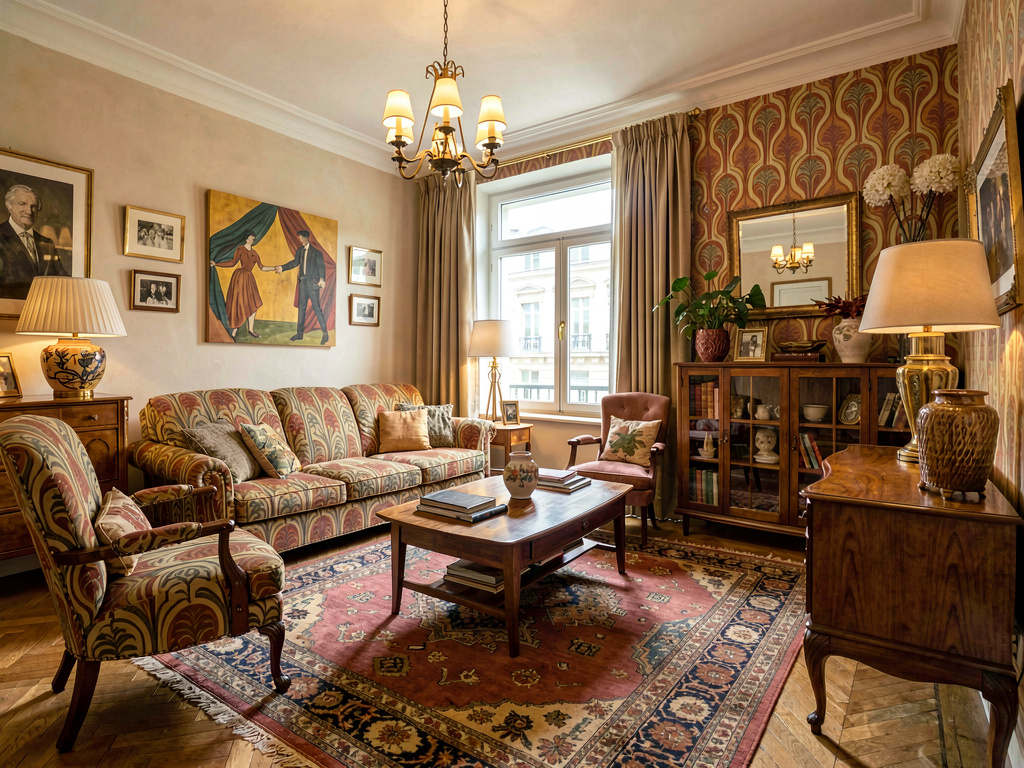
Vintage Living room
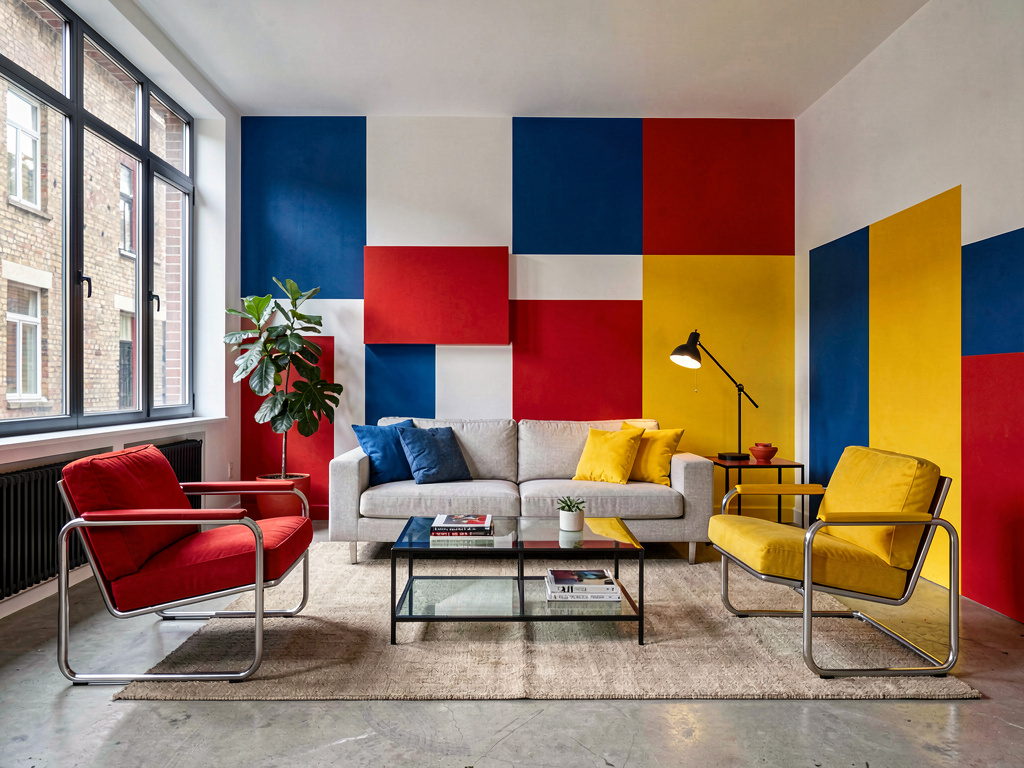
Bauhaus Living room
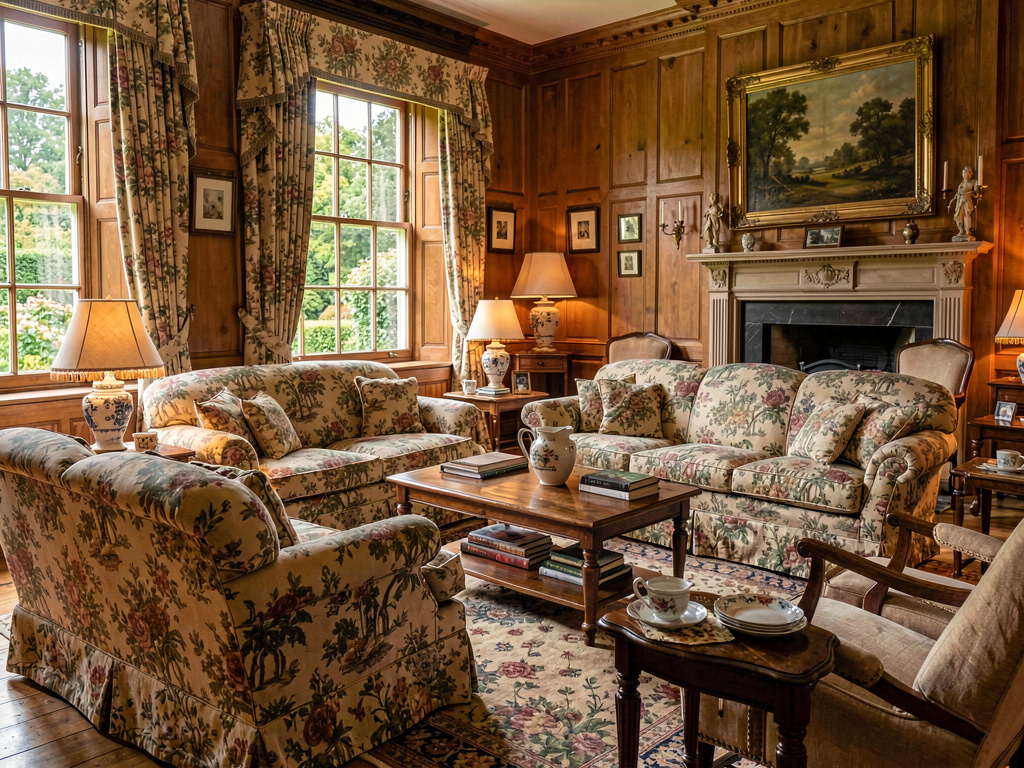
Country House Living room
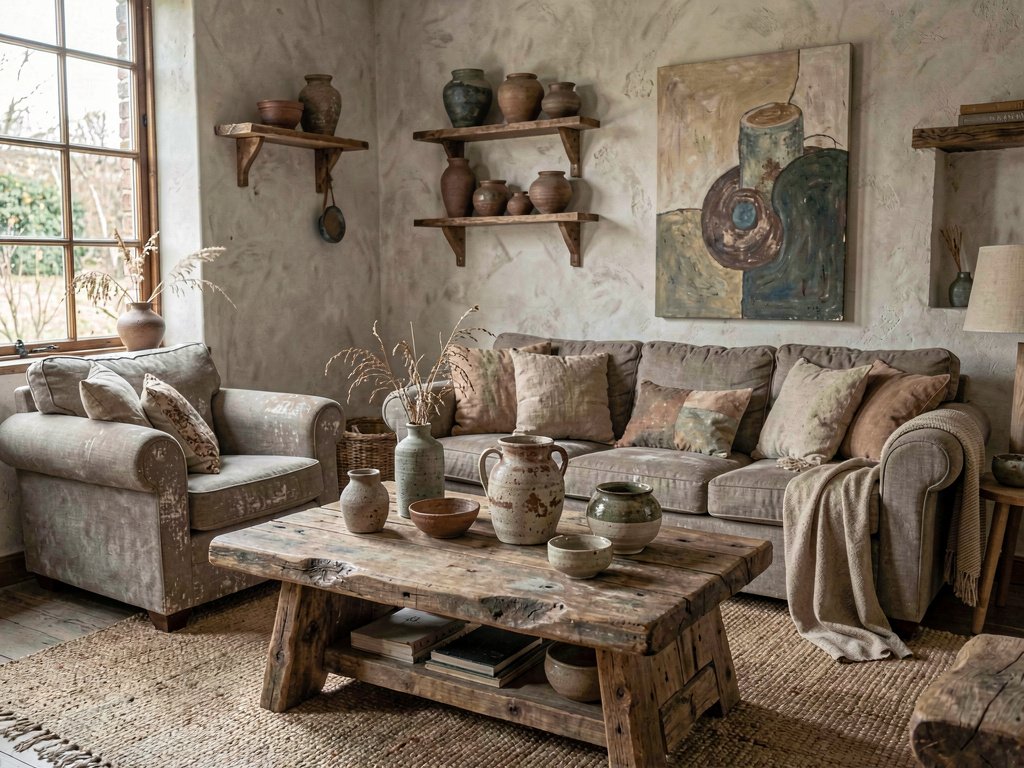
Wabi-Sabi Living room
Your next renovation starts
with a photo
Upload a room. See it transformed. 3 free designs, no credit card.

