Biophilic Interior Design Ideas
Nature-integrated design. Living walls, natural light, organic materials.
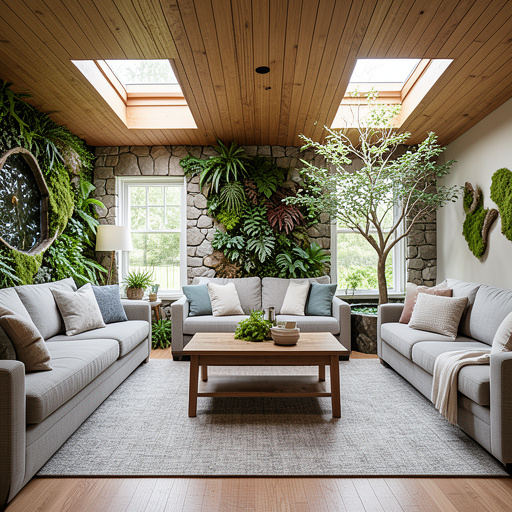
Biophilic design is built on a straightforward idea: humans feel better when they're connected to nature. The term comes from biologist E.O. Wilson's 'biophilia hypothesis' — that we have an innate need to be around living systems. In practice, this means filling rooms with plants, maximizing natural light, using raw and organic materials, and incorporating water features or nature sounds. Living walls (vertical gardens covering an entire wall) are the signature element, but biophilic design goes deeper than decoration. It considers air flow, views of greenery, natural light cycles, and even the acoustic properties of natural materials. Research from Terrapin Bright Green found that biophilic office design reduces stress by 37% and improves creativity by 15%. At home, the benefits are similar — better sleep, lower anxiety, improved focus. The style works especially well in urban apartments where outdoor access is limited. If you can't be in nature, bring nature inside.
Biophilic design in every room
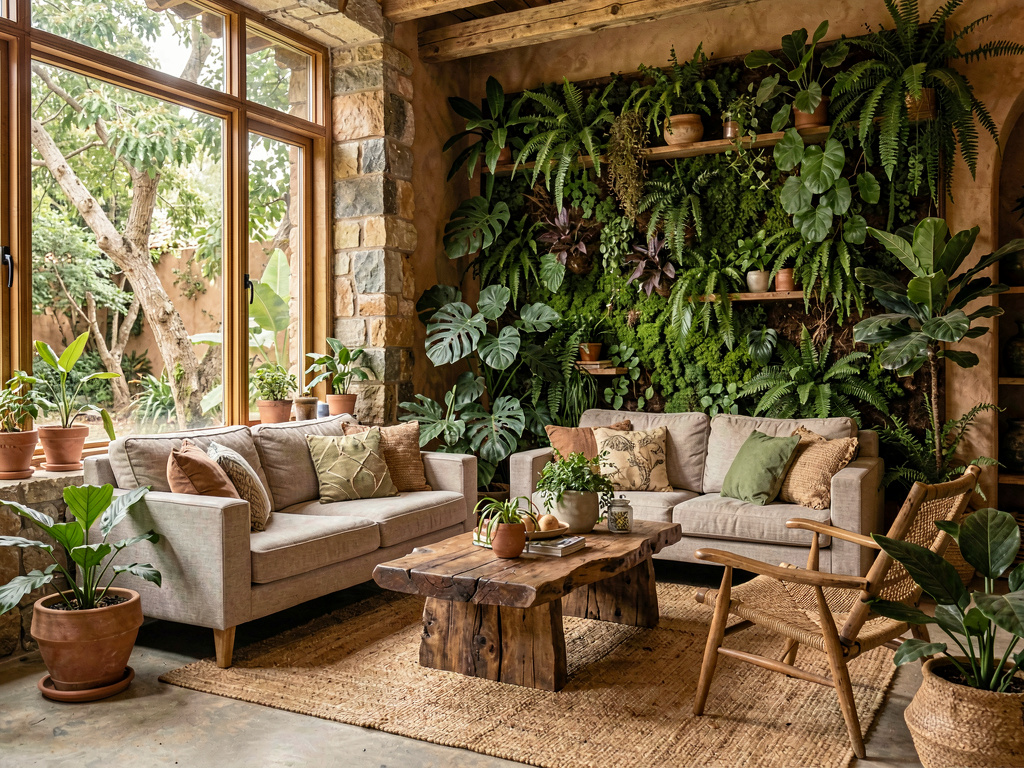
Biophilic living room
A living wall covers one side of the room while pothos trails from floating shelves. Natural stone floors, a reclaimed wood coffee table, and sunlight streaming through large windows.
View design ideas →
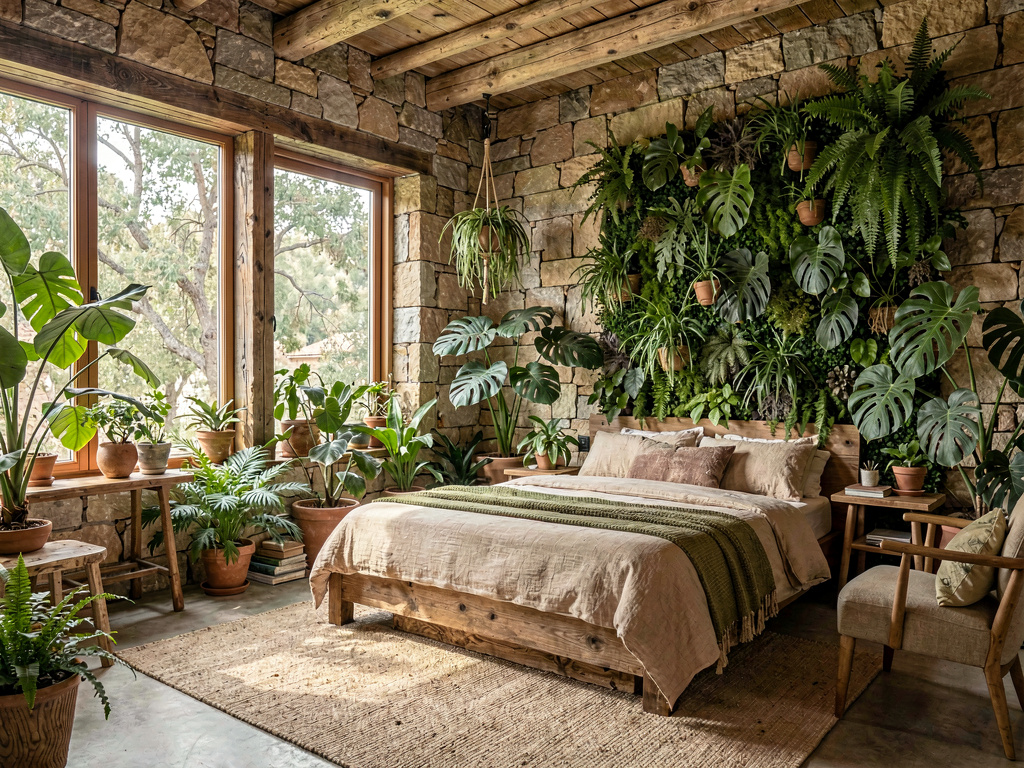
Biophilic bedroom
Plants cascade from wall-mounted planters above a natural wood bed. Cork flooring, linen bedding, and a stone accent wall connect the room to the earth.
View design ideas →
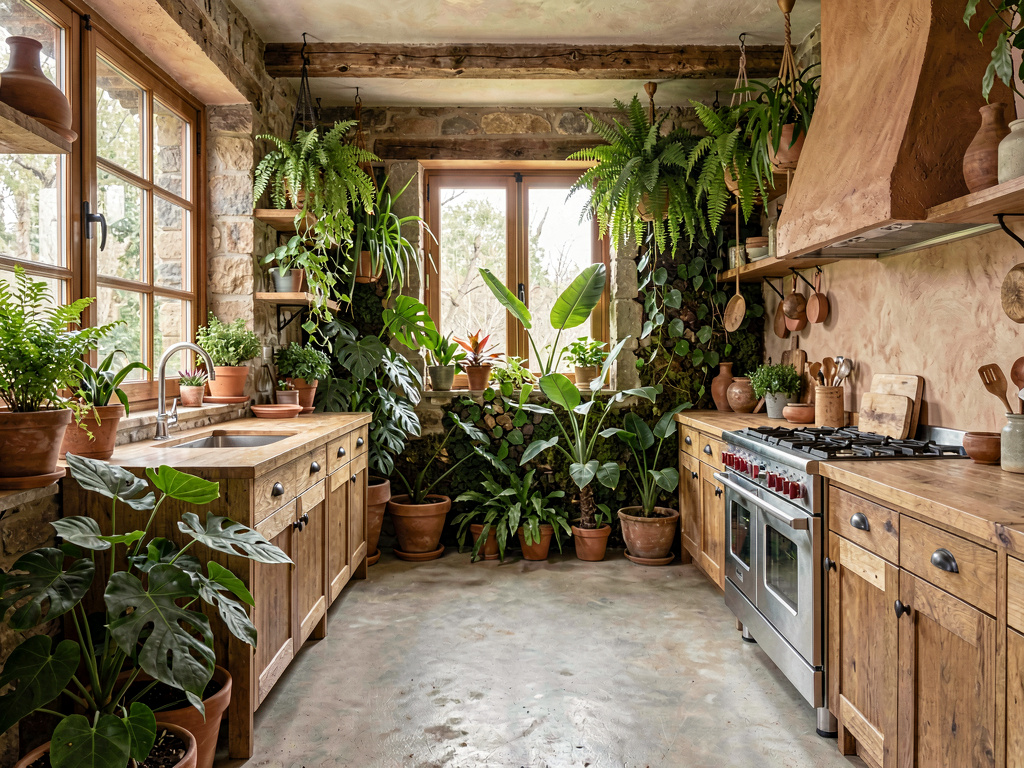
Biophilic kitchen
Herb gardens built into the windowsill, a living wall behind the breakfast bar, and countertops in natural stone. The kitchen grows part of what you cook.
View design ideas →
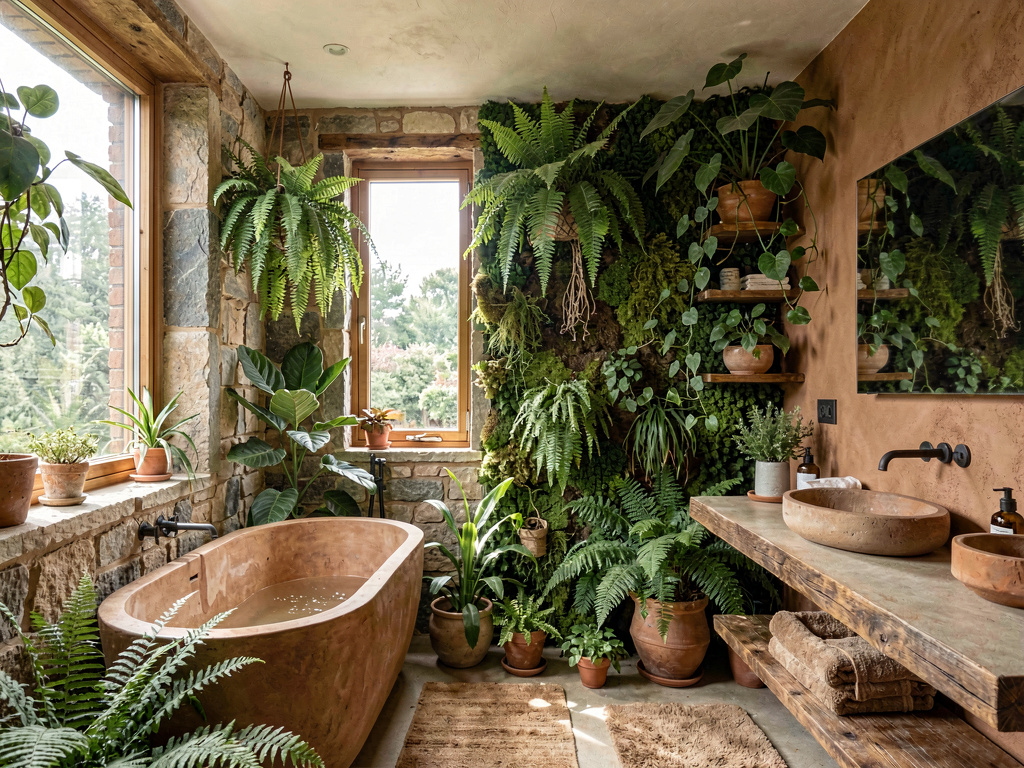
Biophilic bathroom
A walk-in shower with a living moss wall, pebble floor tile, and a natural stone vanity. The bathroom feels like bathing in a forest clearing.
View design ideas →
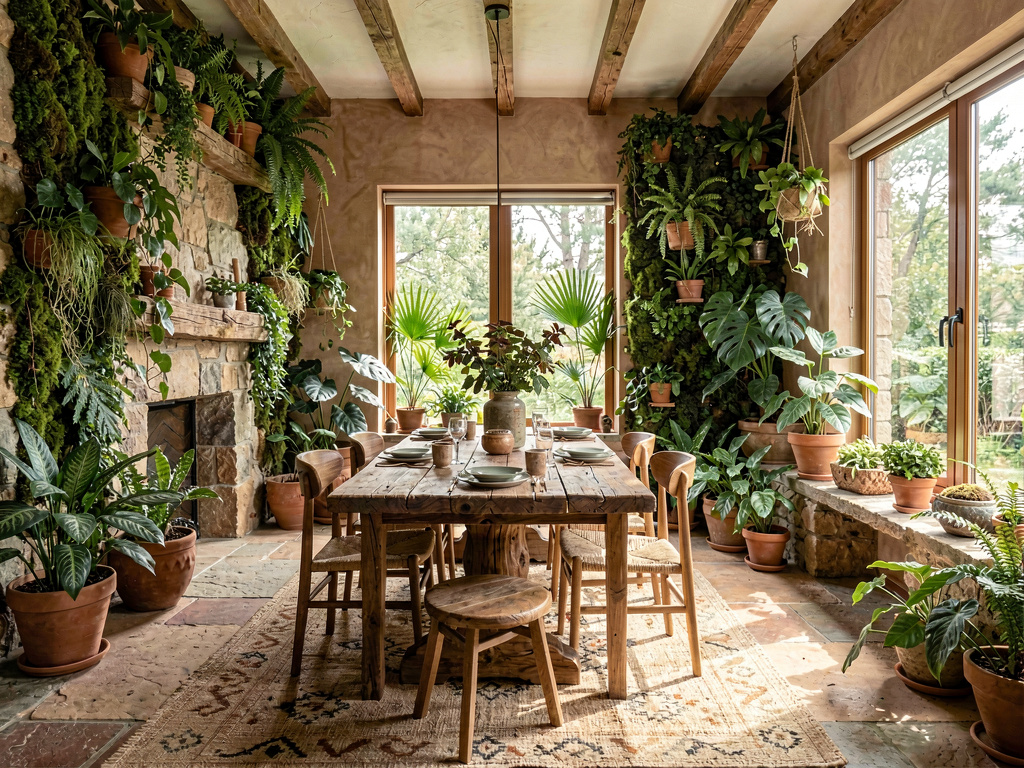
Biophilic dining room
A live-edge wood table surrounded by greenery, with hanging plants above and potted ferns around the perimeter. Meals here feel like dining in a greenhouse.
View design ideas →
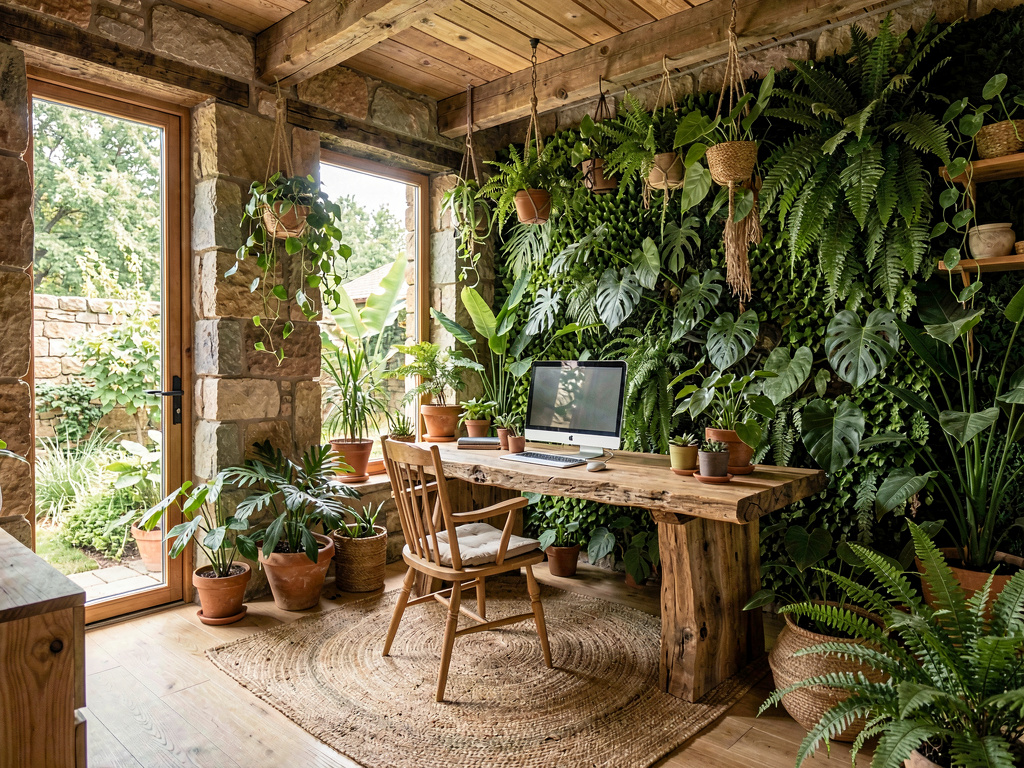
Biophilic home office
A desk positioned near a window wall with a vertical garden behind the monitor. Natural cork walls and stone accessories keep the workspace grounded.
View design ideas →
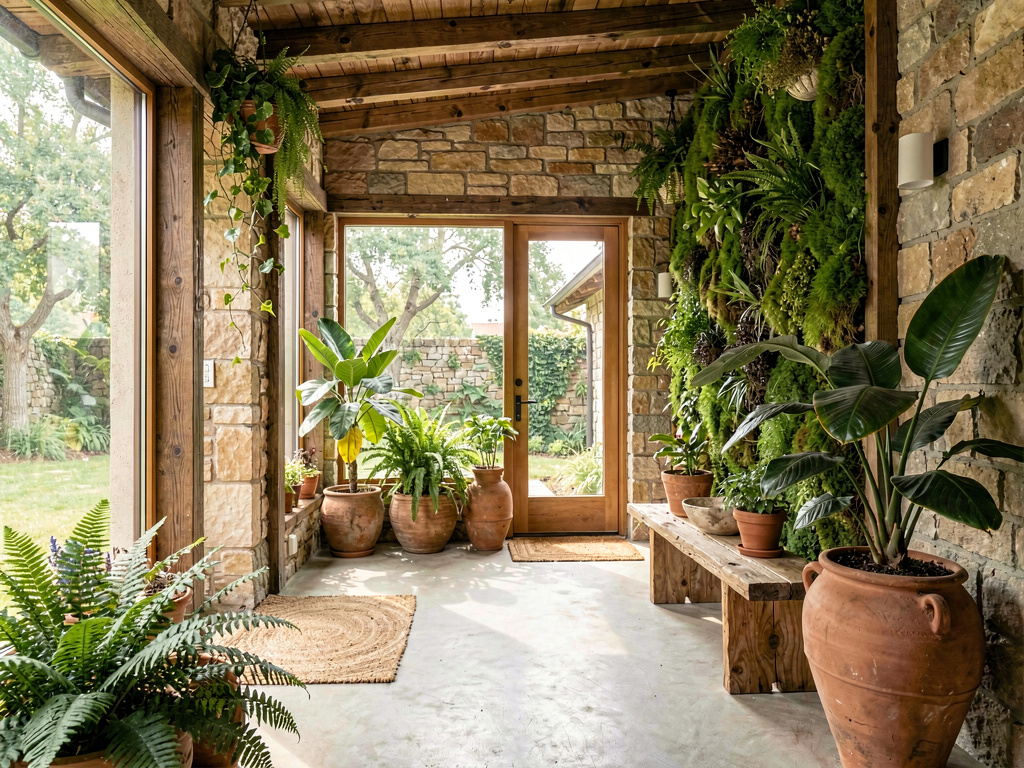
Biophilic entryway
A living wall greets visitors immediately, with a natural wood bench and stone flooring. The transition from outdoors to indoors is seamless.
View design ideas →
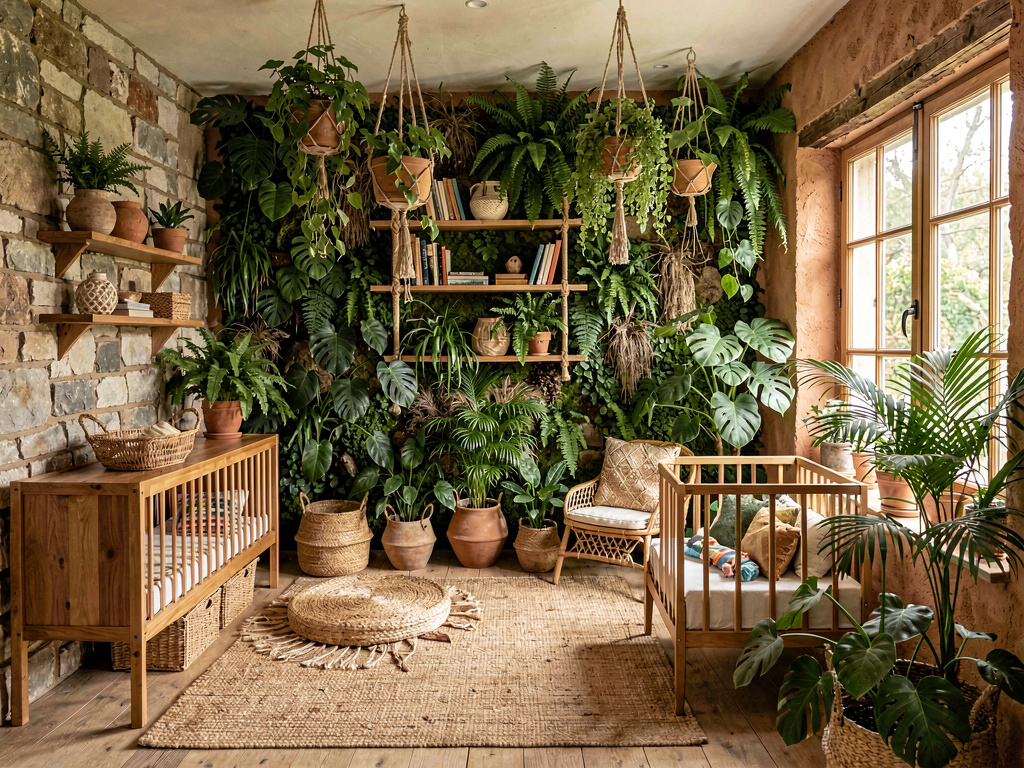
Biophilic nursery
Non-toxic plants on high shelves out of reach, a natural wood crib, and organic cotton bedding. The nursery has cleaner air and a connection to nature from day one.
View design ideas →
Key characteristics of biophilic design
- Abundant indoor plants, from potted to living walls
- Maximized natural light with minimal window obstruction
- Raw, unfinished organic materials throughout
- Water features or nature sounds integrated into spaces
- Views of greenery — real or through nature-inspired art
Common materials
How much does a biophilic makeover cost?
$3,000 – $20,000
Typical living room makeover
The base cost is surprisingly low — plants are cheap ($5-$50 each) and natural light is free. A living wall system runs $100-$300 per square foot installed, or $30-$80 per square foot for DIY modular systems. The real investment is in natural materials: reclaimed wood accent walls ($10-$25 per square foot), stone surfaces ($50-$150 per square foot), and quality planters ($20-$200 each). A full biophilic living room with 15-20 plants, a small living wall, and natural material upgrades runs $5,000-$12,000.
See your room remodeled with biophilic style — AI does it in seconds
Upload a photo and get your room remodeled with AI in biophilic style — takes about 10 seconds, no design skills needed.
Try It FreeFrequently asked questions
How many plants do I need for biophilic design?
There's no magic number, but NASA's Clean Air Study suggests one plant per 100 square feet for air quality benefits. For visual impact, most biophilic rooms have 10-25 plants in a living room. Start with 5-6 in varied sizes and add more over time. The goal is to see greenery from every angle in the room.
Does biophilic design work in rooms without natural light?
It's harder but possible. Use full-spectrum grow lights ($30-$100) to keep plants alive, choose low-light tolerant species (pothos, snake plants, ZZ plants), and lean into other biophilic elements — wood, stone, water sounds, nature photography. Natural light is ideal but not the only path.
Is biophilic design high maintenance?
It depends on your plant choices. A room full of fiddle leaf figs and calatheas is demanding. A room with snake plants, pothos, and ZZ plants needs watering once a week at most. Self-watering planters and drip irrigation systems reduce maintenance further. Choose hardy plants and the upkeep is minimal.
Related styles
Related articles
Your next renovation starts
with a photo
Upload a room. See it transformed. 3 free designs, no credit card.

