Interior design trends 2026: what's in and what's fading
The 7 interior design styles dominating 2026 and the 3 that are dying. Warm minimalism is in, farmhouse shiplap is out. Full breakdown with photos.

Ryan H.
Founder of Remodel AI · April 6, 2026 · 10 min read
Every year brings a new batch of interior design trends 2026 predictions, and most of them are recycled from the year before with a slightly different label. This isn't that. What follows is a breakdown of the shifts that are actually showing up in real homes, showrooms, and designer portfolios this year, along with the trends that peaked and are now on their way out. Some of these have data behind them. Others are patterns you can see by walking through any furniture store or scrolling through what real people (not influencers) are doing with their homes.
The overall direction is clear: rooms are getting warmer, materials are getting more natural, and the all-white-everything era is finished.
Color trends: warm earth tones replace cool grays
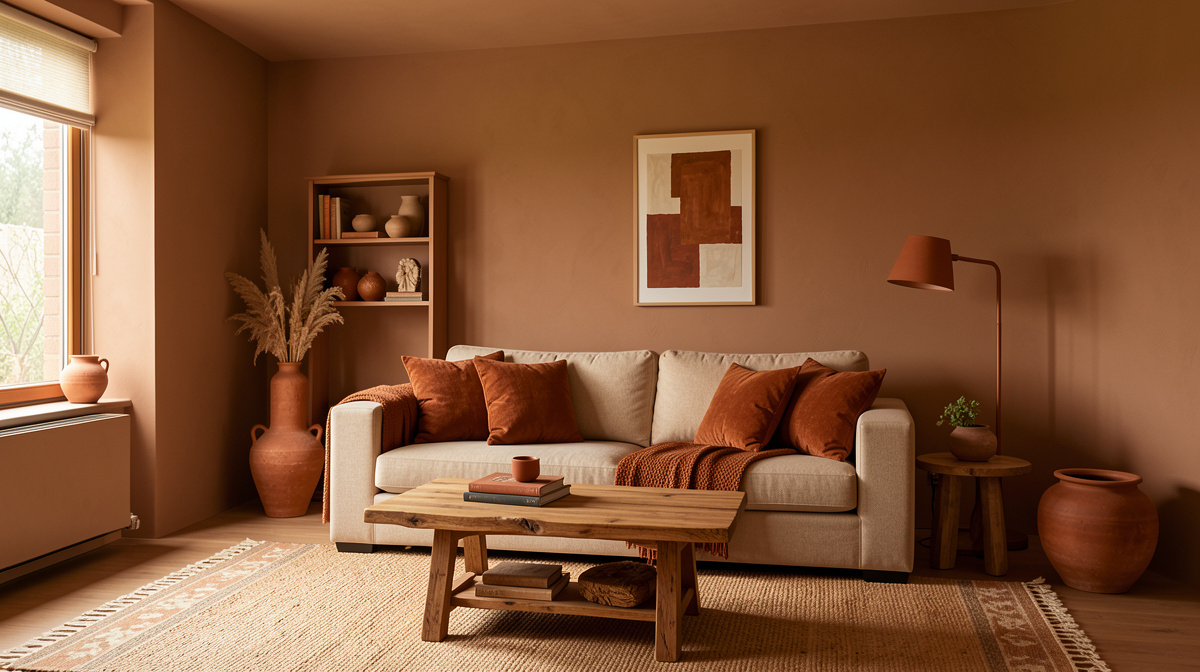
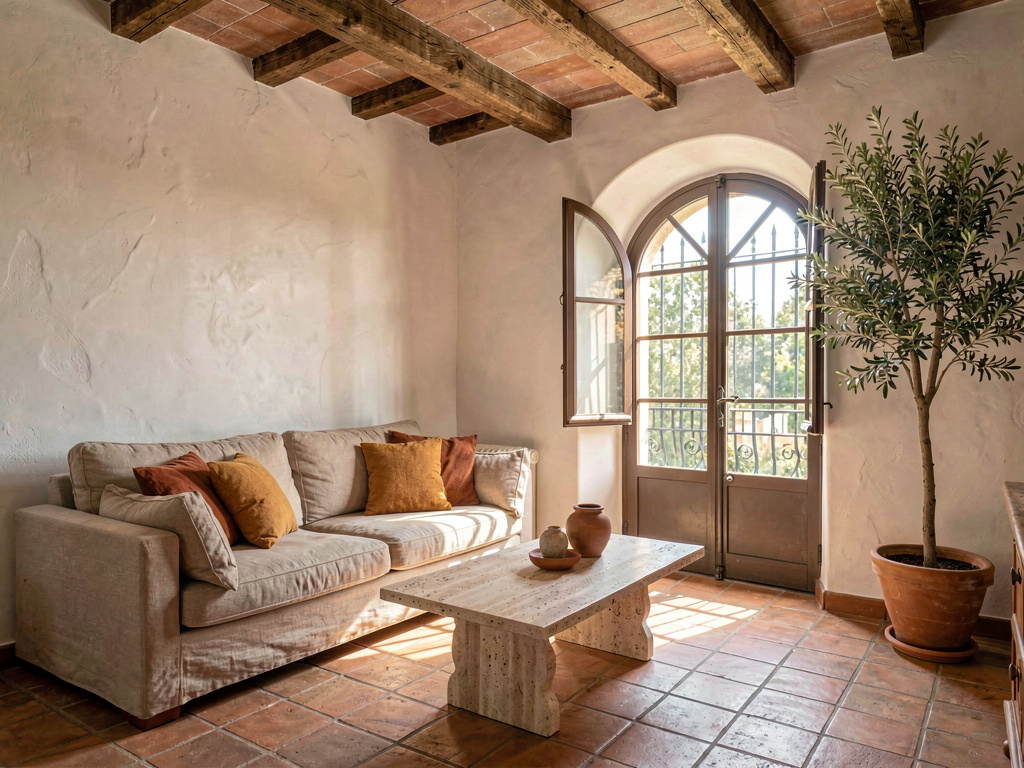
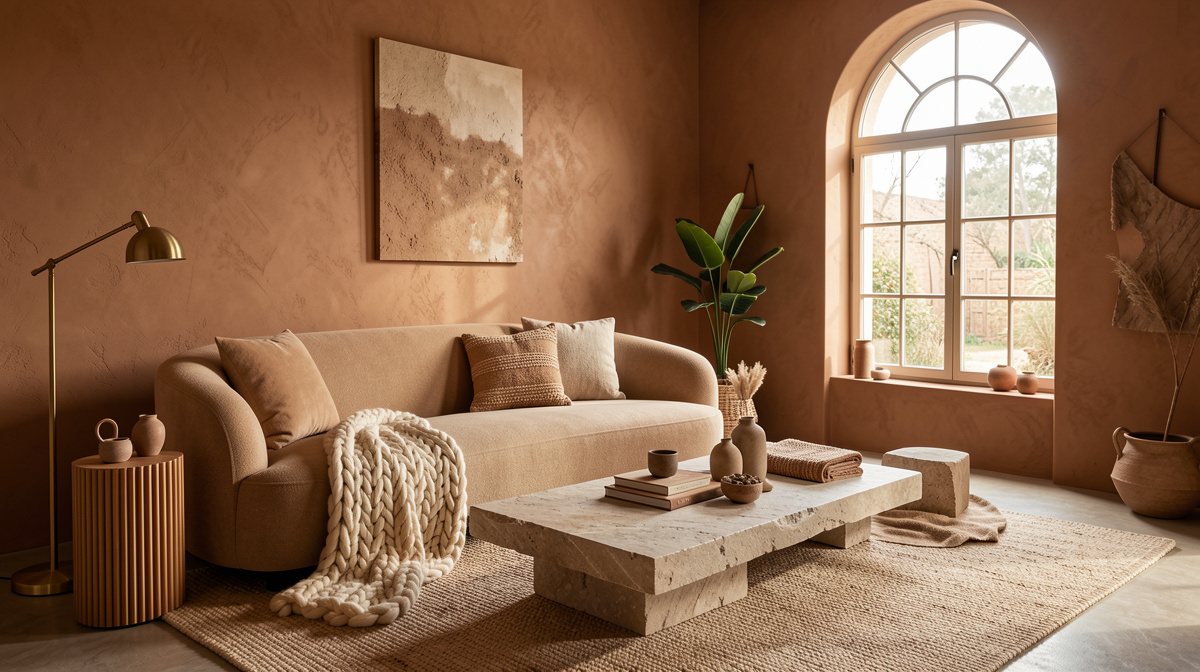
The biggest color shift of the last three years has been the move from cool grays to warm earth tones, and 2026 is where it becomes the default. Terracotta, olive, ochre, warm beige, clay, and rust are replacing the cool grays, stark whites, and icy blues that dominated from 2015-2022. Benjamin Moore's 2026 Color of the Year is Cinnamon Slate, a warm brown with red undertones. Sherwin-Williams went with Renew Green, a muted sage. Both picks confirm the same direction.
This isn't random. The pandemic pushed people toward cozier, warmer spaces, and that preference stuck. According to Houzz's 2025 Home Renovation Trends Report, 72% of homeowners choosing new wall colors selected warm neutrals or earth tones over cool neutrals, up from 48% in 2020.
What's fading: Cool gray walls, greige, and all-white interiors. These aren't going away entirely — white kitchens still sell houses — but rooms with some warmth and color are what people actually want to live in.
For a deep look at how these color trends apply to specific rooms, our modern living room ideas guide covers warm modern palettes in detail.
Material trends: natural stone and fluted wood
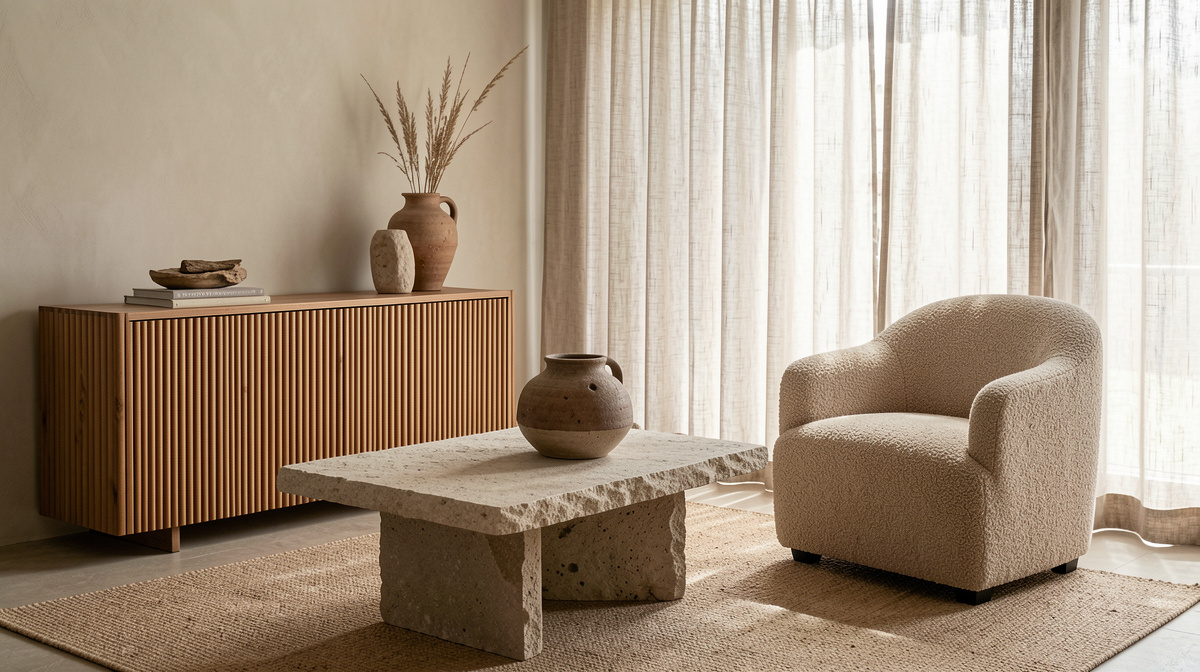
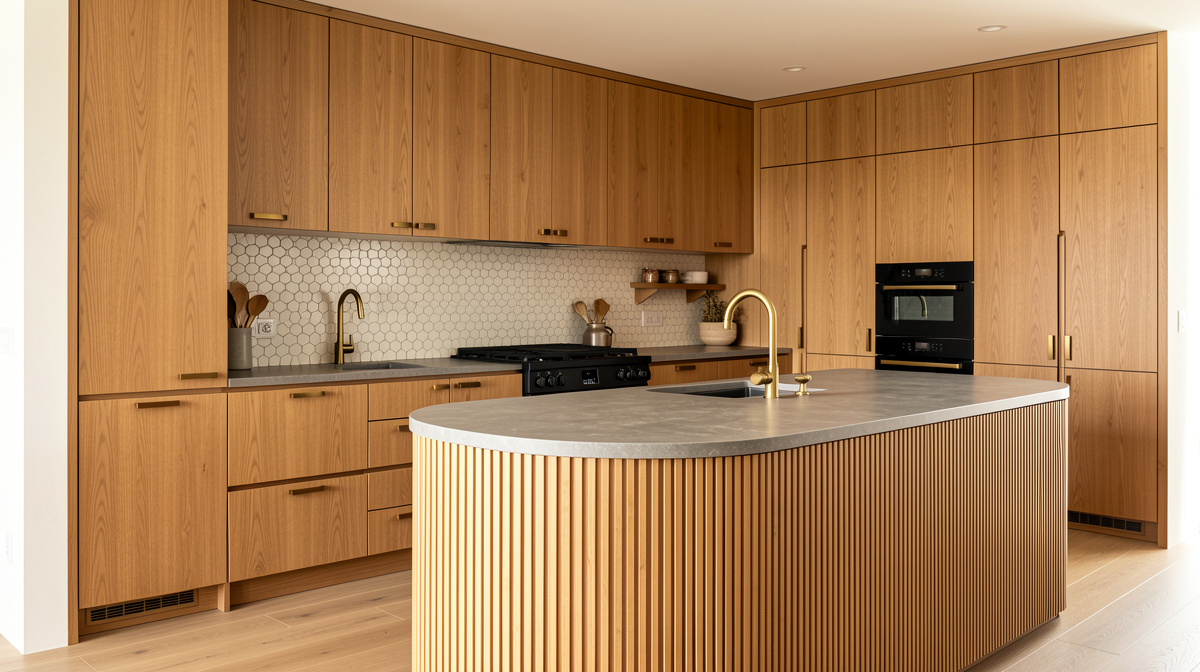
Fluted wood panels are everywhere in 2026 — on kitchen islands, bathroom vanities, accent walls, and furniture fronts. The texture adds visual interest without pattern or color, which makes it versatile. Expect to see it in oak, walnut, and white-washed pine.
Natural stone is replacing engineered quartz as the aspirational countertop material. Soapstone, quartzite, and marble with heavy veining are the top choices. The appeal is that natural stone looks different from slab to slab — your countertop is unique, not a pattern repeated in 10,000 other kitchens. The downside is maintenance, which is why quartzite (natural stone but more durable than marble) has become the sweet spot for people who want the look without the anxiety.
Other material trends picking up speed:
- Limewash paint on walls and fireplaces, creating a textured, slightly uneven finish that reads as organic rather than perfect
- Handmade tile in kitchens and bathrooms — zellige, hand-painted, and slightly irregular shapes instead of machine-perfect subway tile
- Boucle and chunky knit fabrics on furniture, extending the texture trend from fashion into interiors
- Concrete and microcement for floors, countertops, and shower walls, especially in modern and minimalist homes
What's fading: High-gloss lacquer surfaces, mirrored furniture, and shiplap. Shiplap had a good run (thanks, Fixer Upper) but the farmhouse moment has passed for most markets.
Style trends: quiet luxury goes mainstream
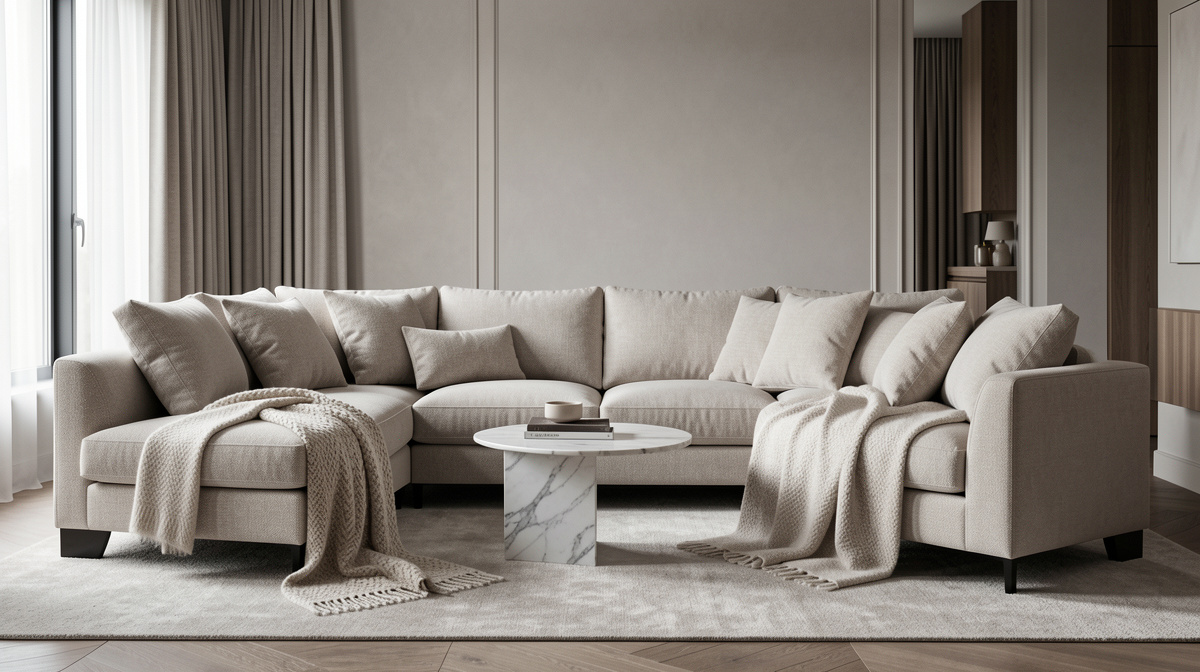
Quiet luxury started as a fashion concept — expensive things that don't look expensive, quality over logos — and it's now the dominant residential design aesthetic for 2026. In practice, it means rooms with high-quality materials in neutral tones, simple silhouettes, no bold patterns, and no trendy statement pieces. Think cream linen sofas, travertine coffee tables, cashmere throws, and brass hardware with a patina rather than a polish.
The look is expensive, but parts of it are achievable at mid-range budgets. A cream slipcover sofa from a brand like Sixpenny or IKEA's premium line gets you 80% of the way there. The difference between a $2,000 quiet luxury room and a $20,000 one comes down to fabric quality and the weight of objects — heavier, denser materials feel more expensive.
Style trends: organic modern matures
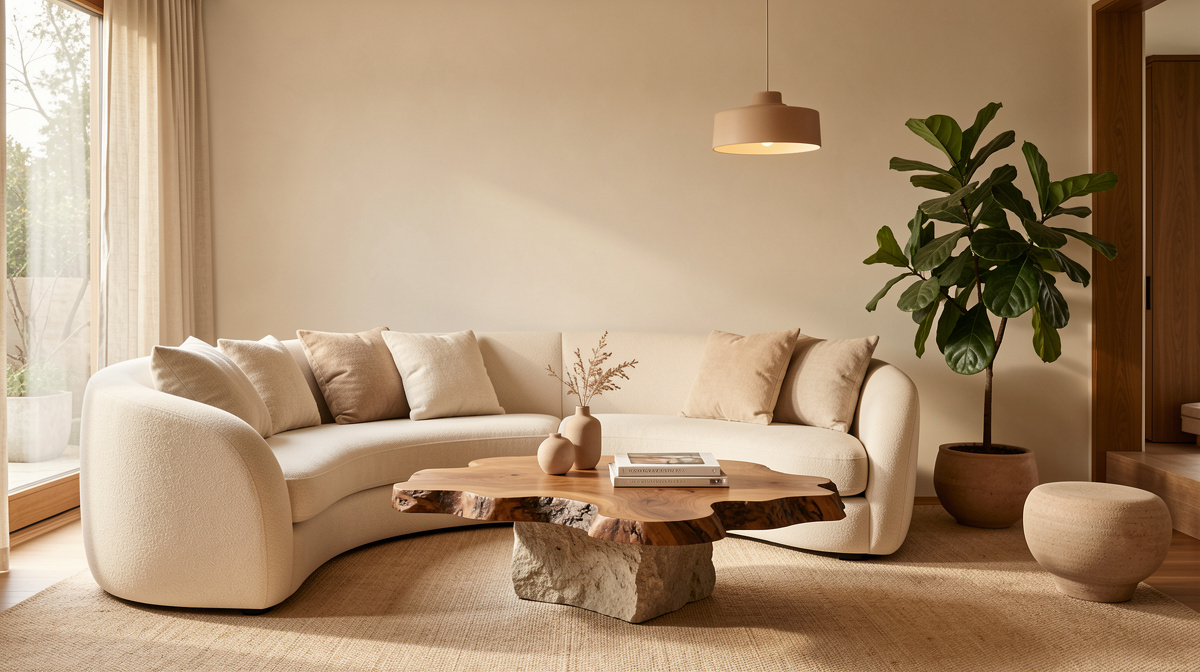
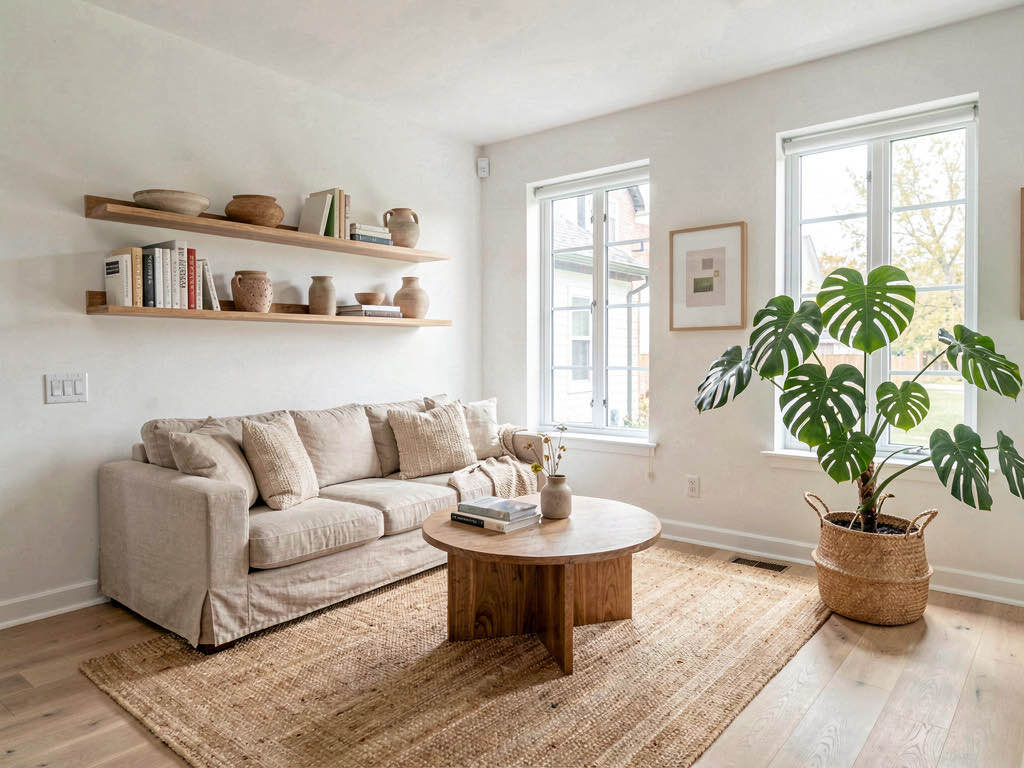
Organic modern — clean modern lines combined with natural, imperfect materials — has been building for three years and is now fully established. Live-edge wood tables, sculptural ceramic pieces, woven light fixtures, and rooms that balance geometric furniture with organic shapes. The palette is neutral but warm: sand, cream, warm white, camel, olive, and charcoal.
This style succeeds because it solves the main problem with modern design: it can feel cold and uninviting. By adding natural textures and organic shapes, the room keeps its clean aesthetic while feeling warm enough to actually relax in. For anyone looking at how modern design principles work in practice, our Scandinavian interior design guide covers the Nordic roots that organic modern draws from heavily.
Style trends: Japandi holds steady
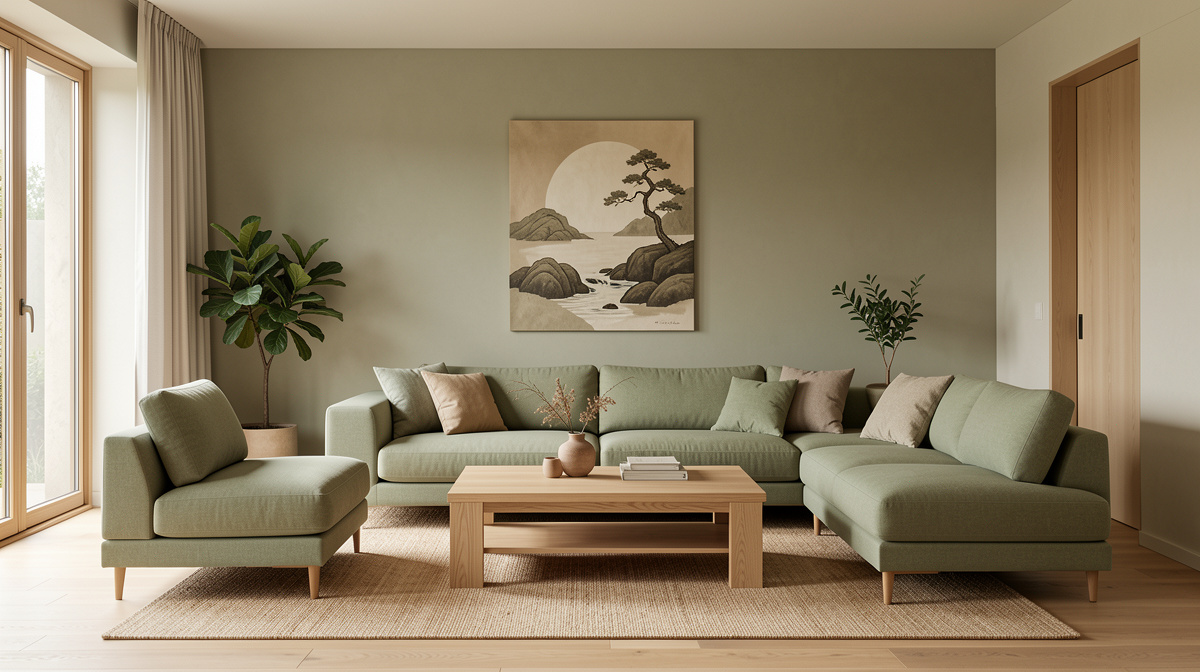
Japandi — the fusion of Japanese minimalism and Scandinavian functionality — isn't new in 2026, but it's not fading either. The style has found a permanent audience among people who want minimal spaces that feel warm rather than austere. Low furniture, natural wood, muted colors, clean lines, and an emphasis on craftsmanship over decoration. The key Japandi materials are light wood (ash, birch, maple), linen, cotton, ceramic, and paper.
What's changing in 2026 is that Japandi is becoming less strict and more blended. People are mixing Japandi foundations with warmer, more personal elements — a colorful piece of pottery, a vintage textile, a family photo in a simple frame. The purist version with nothing but beige and wood is giving way to a lived-in interpretation.
Style trends: maximalism finds its niche
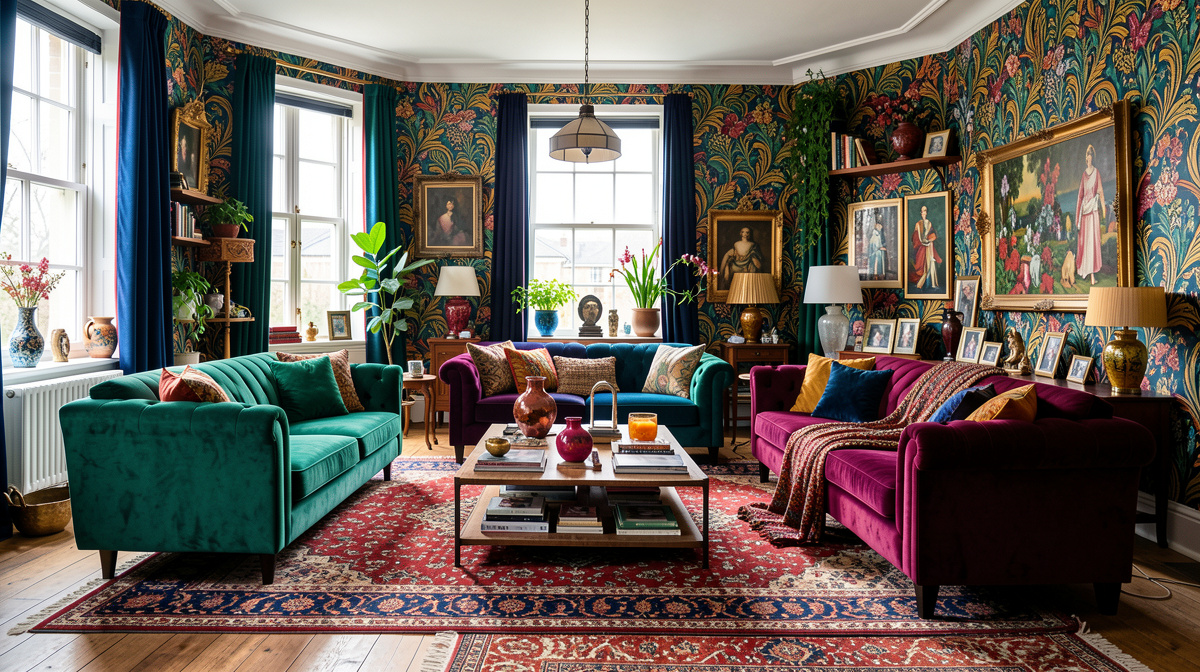
While the mainstream moves toward warm minimalism, a committed subset is going the opposite direction. Pattern mixing, bold color, layered textiles, gallery walls that cover entire surfaces, and rooms where every surface tells a story. This isn't new — maximalism has been the counter-trend to minimalism for years — but in 2026 it's getting more sophisticated. The best maximalist rooms have a color theory holding them together, not just an accumulation of stuff.
See Your Room Redesigned
Download Remodel AI and transform any room in 30 seconds. 3 free designs, no signup.


What's fading in maximalism: The "more is more" approach without curation. Random accumulation is being replaced by intentional collecting.
Tech trends: AI design tools become normal
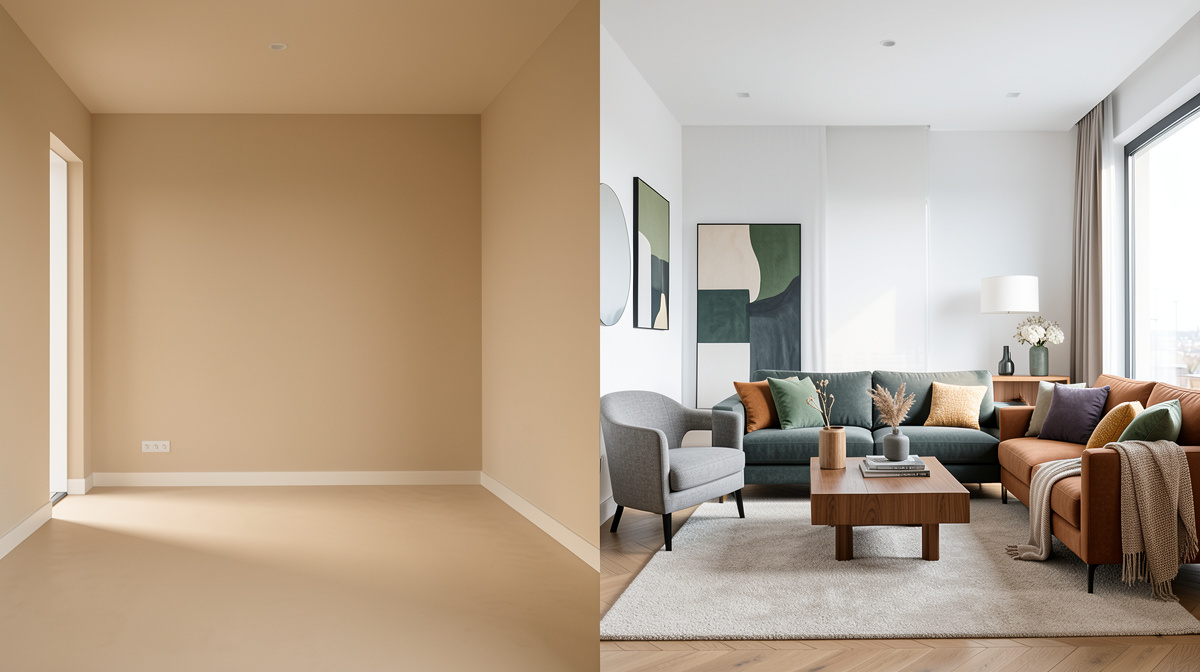
AI-powered design tools moved from novelty to utility in 2025, and by 2026 they're a standard part of how people plan rooms. Upload a photo, describe what you want, and see a visualization of the result. This changes the renovation decision process because you can test ideas before committing money.
The bigger impact is on the design industry. Interior designers are using AI tools to produce more concepts in less time, which means clients see more options and make better decisions. Homeowners who can't afford a designer now have access to style visualization that was previously limited to professional renderings. Our full breakdown of AI-powered home design tools covers how this technology works and where it's most useful.
According to Architectural Digest's 2026 Design Forecast, 35% of homeowners planning a renovation used an AI design tool to visualize changes before committing, up from 12% in 2024.
Tech trends: smart home integration gets invisible
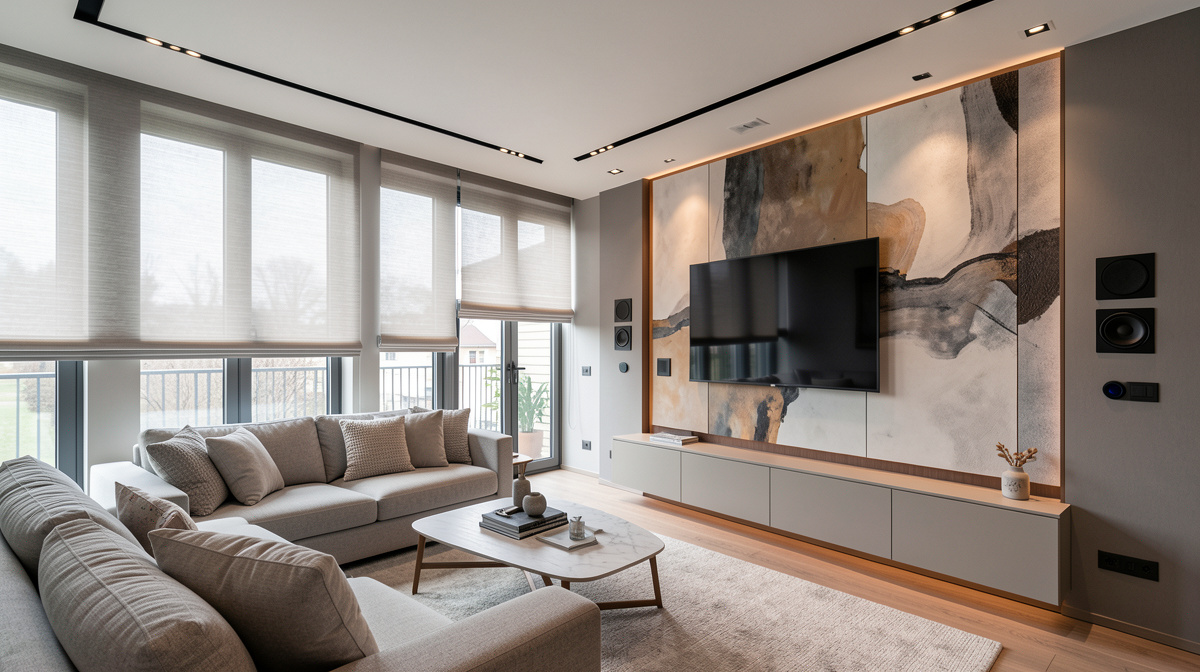
The smart home trend in 2026 isn't about adding visible gadgets — it's about hiding them. Speakers built into walls, motorized shades controlled by voice, lighting that adjusts automatically based on time of day, and appliances with integrated panels that match your cabinetry. The goal is invisible technology: the house is smart, but you can't see the tech.
This matters for interior design because the technology no longer competes with the aesthetic. Previous generations of smart home products — chunky smart speakers, visible control panels, camera-covered doorbells — required design compromises. The current generation blends in.
What's definitively out in 2026
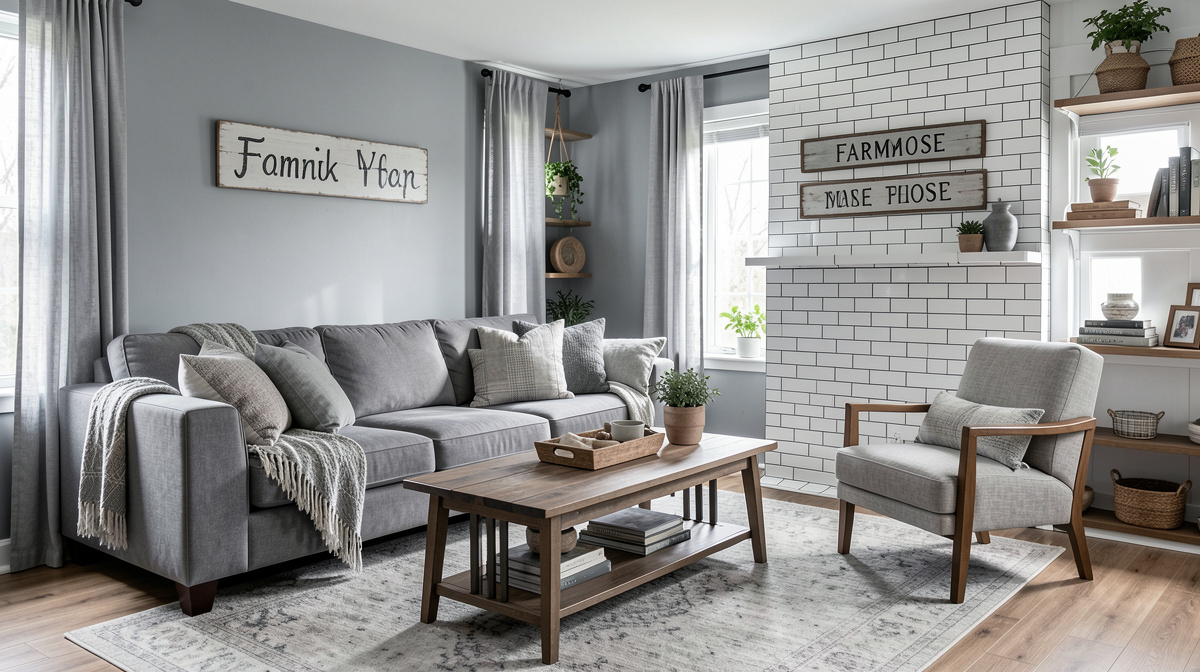
Some things that were everywhere a few years ago have clearly peaked:
- All-white kitchens are losing ground to two-tone cabinets and warm wood tones. White upper cabinets with wood or colored lowers is the transition many homeowners are making.
- Open shelving in kitchens peaked around 2020. The reality of keeping exposed dishes dust-free and instagram-worthy wore people down. Closed upper cabinets are back.
- Subway tile isn't dead, but it's no longer a safe default. Zellige, hand-glazed, and larger format tiles are taking its spot.
- Cool gray everything — gray floors, gray walls, gray sofas, gray bedding. The all-gray room was the defining look of mid-2010s flipped houses, and it now reads as dated.
- Barn doors had a strong run during the farmhouse era but are now firmly past peak. Pocket doors or standard hinged doors with good hardware are the replacement.
- Live, laugh, love and similar wall decals. This has been dying for a decade but the final holdouts are letting go.
What's coming next: early signals for 2027
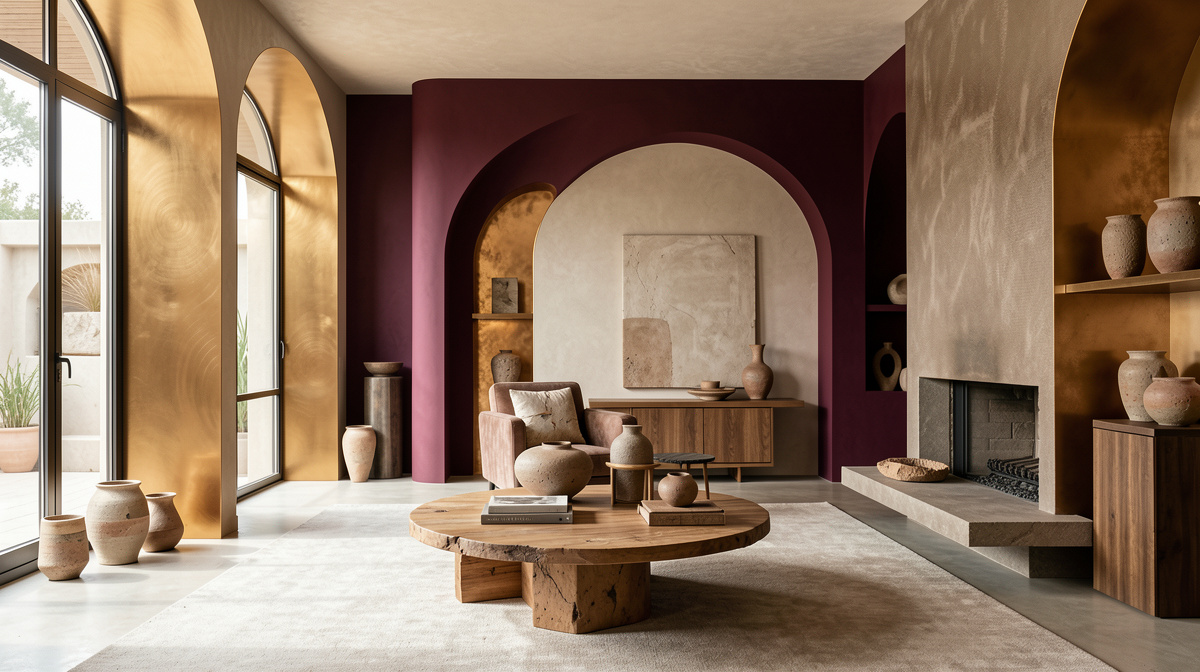
A few things showing up at design shows and in high-end projects that haven't hit mainstream yet:
- Warm metallics beyond brass. Copper and bronze are appearing in hardware, lighting, and furniture legs. They're warmer than brass and less common.
- Curved everything. Curved sofas, arched doorways, rounded mirrors, and oval dining tables. Straight lines aren't going away, but curves are being mixed in more liberally.
- Natural dyes and pigments. Walls colored with plant-based pigments, textiles dyed with indigo or turmeric, and finishes that reference pre-industrial color palettes.
- Room-specific mood design. Instead of one consistent style throughout the house, each room gets designed for a specific emotional state — the bedroom for calm, the office for focus, the kitchen for energy.
How to try 2026 trends in your own home
You don't need to repaint your walls or buy new furniture to see how warm earth tones or organic modern would look in your space. Remodel AI lets you upload a photo of any room and apply different design styles and color palettes, so you can test the trends on your actual walls and floors before committing to anything.
Frequently asked questions
What is the biggest interior design trend in 2026?
The shift from cool-toned, minimal spaces to warm, textured, natural ones is the single biggest theme. Warm earth tones on walls, natural stone and wood surfaces, organic shapes in furniture, and a general move toward rooms that feel cozy and lived-in rather than sleek and showroom-perfect. This has been building since 2023 but 2026 is the year it becomes the clear mainstream default.
Are gray walls outdated in 2026?
Cool grays have moved past their peak. They're not offensive, but they now read as 2015-2020 era design. If you have gray walls and they work for your space, there's no urgency to repaint. But if you're choosing a new color, warm neutrals — warm white, beige, cream, greige with warm undertones — are the safer choice for current and forward-looking design. Warm grays with brown or taupe undertones still work fine.
What interior design styles are trending in 2026?
Quiet luxury, organic modern, and Japandi are the three dominant style trends. They share common DNA: natural materials, warm colors, clean lines, and an emphasis on quality over quantity. Maximalism is the counter-trend, with a committed following that's getting more sophisticated in how bold patterns and colors are combined.
Is the farmhouse style dead?
The peak-Fixer-Upper farmhouse look (shiplap, barn doors, distressed white everything) has passed. But modern farmhouse — which keeps the warmth and natural materials while dropping the heavy rustic elements — is still alive and healthy, especially in suburban and rural markets. For more on how this style has evolved, see our modern farmhouse interior guide. The style isn't dead; it's just grown up.
How do AI design tools fit into 2026 interior design?
AI design tools have become a standard planning step for renovations and redecorating projects. They let you visualize different styles, colors, and furniture in your actual room before spending money. About a third of homeowners now use some form of AI visualization before making major design decisions. The technology isn't replacing designers but it's making the early exploration phase faster and cheaper for everyone.
Ready to Try AI Interior Design?
Upload a photo and redesign any room in seconds. 3 free designs, no signup required.