Interior design styles explained: find your style
12 interior design styles broken down with real examples, key features, cost ranges, and how to tell which one fits your home and taste.

Ryan H.
Founder of Remodel AI · March 30, 2026 · 12 min read
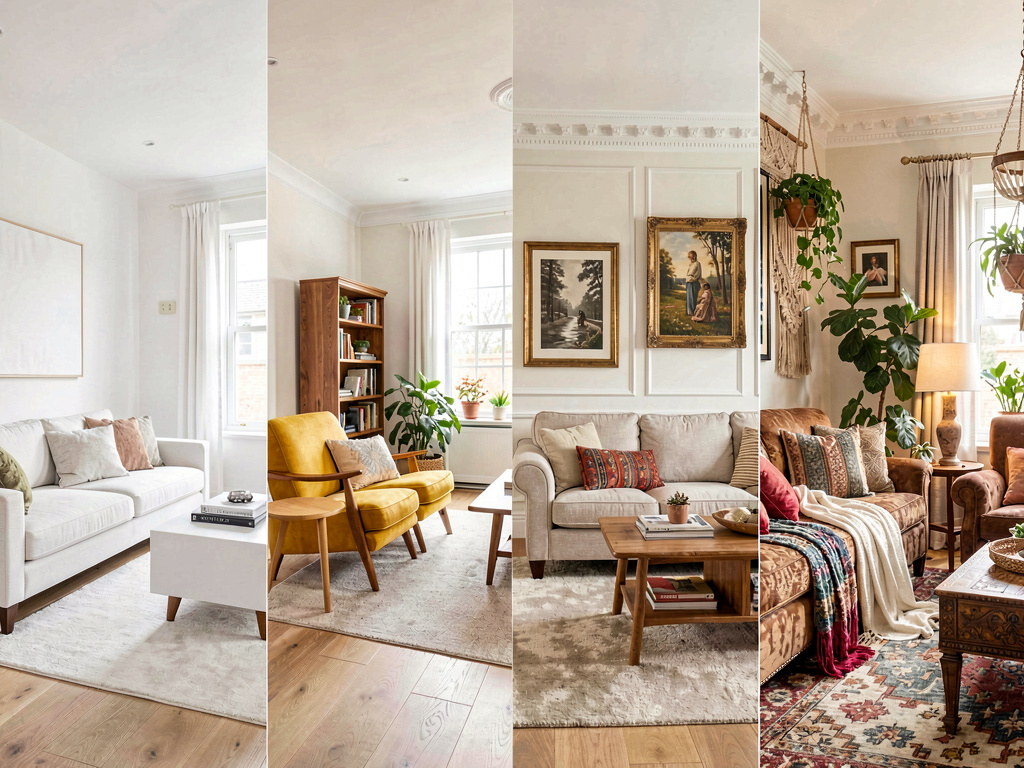
Most people can point at a room and say "I like that" but can't name what makes it work. You know you're drawn to warm wood and clean lines, but is that Scandinavian? Mid-century modern? Japandi? And does the label even matter?
It does, actually. Knowing the name of your style helps you search for the right furniture, communicate with contractors, and stop buying things that don't go with anything you already own. The difference between a room that looks collected and a room that looks confused is usually just consistency within a style.
Here are 12 interior design styles worth knowing, what makes each one tick, what it costs to pull off, and how to figure out which one is yours.
1. Modern minimalist
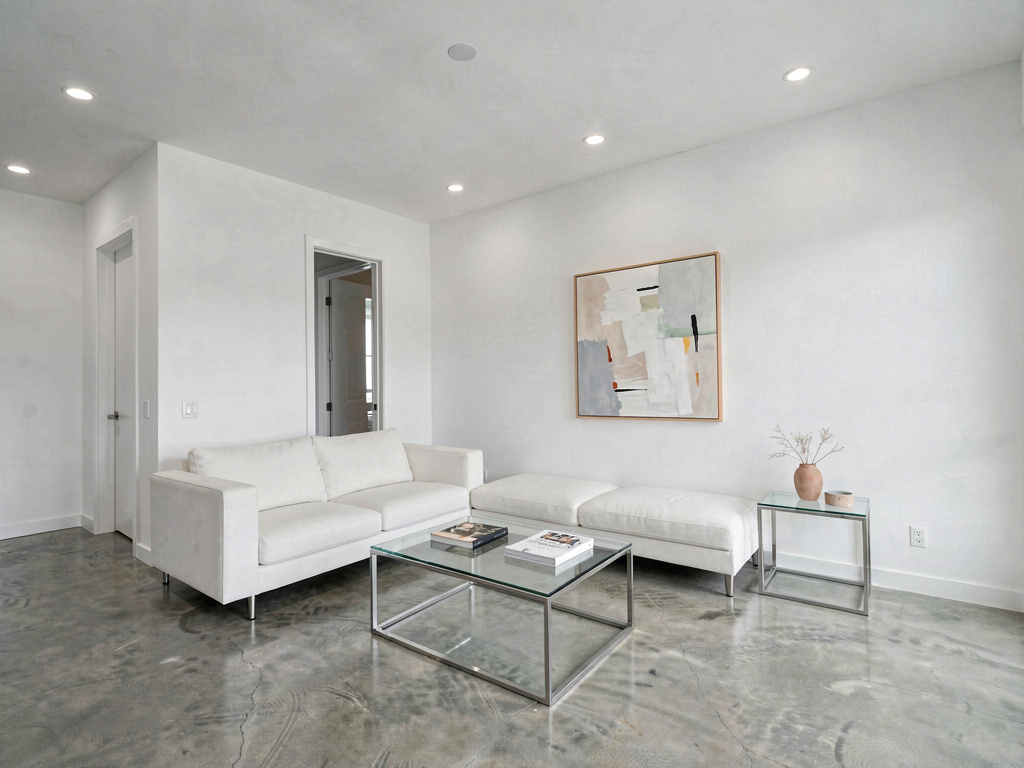
White walls, open floor space, and as few objects as possible. A low-profile white sofa with no visible hardware. A glass and steel coffee table. One painting on the wall. Recessed lighting instead of lamps. The room breathes because there's nothing competing for your attention.
Modern minimalism is about editing ruthlessly. Every piece in the room has to earn its spot. That sounds easy, but it's actually harder to furnish a minimalist room than a busy one because every choice is visible. A wrong coffee table in a maximalist room disappears. In a minimalist room, it's the only thing you see.
The upside: minimalist rooms cost less to furnish because you need fewer things. A high-quality sofa, one good rug, a coffee table, and lighting can be the entire room. Budget $3,000-$8,000 for a living room depending on furniture quality.
2. Mid-century modern
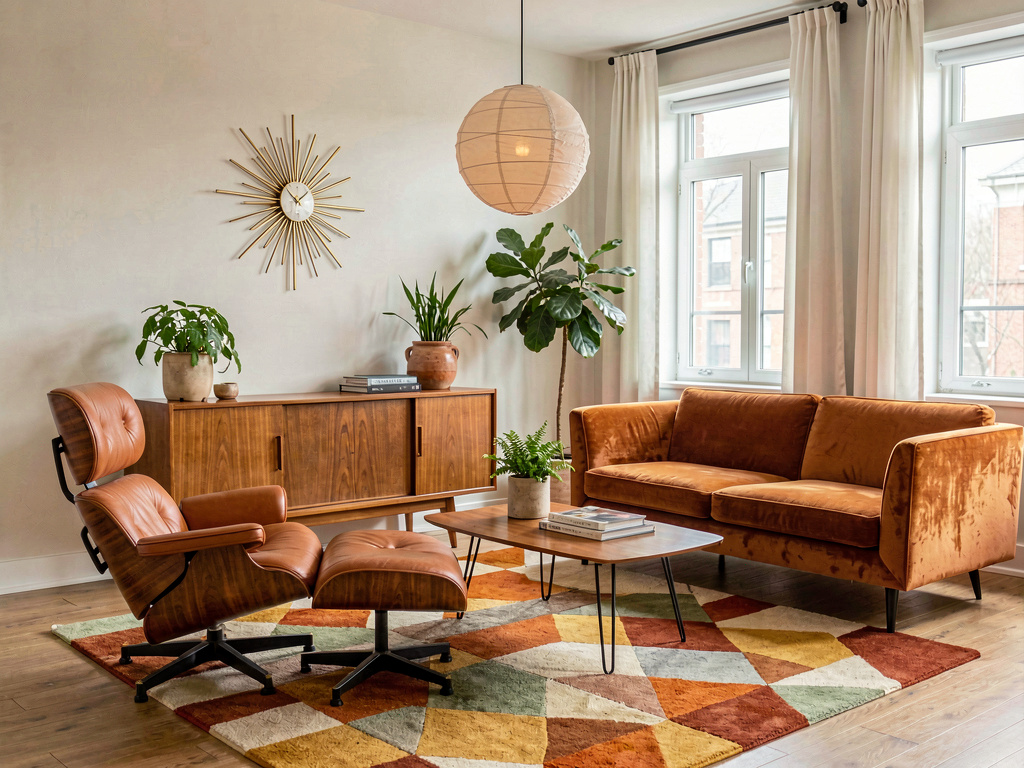
Teak credenza against the wall. An Eames-style lounge chair. A sofa in burnt orange or mustard. Hairpin legs on everything. A starburst clock. Clean lines but warmer and more playful than strict minimalism.
Mid-century modern comes from the 1940s-1960s and has never really gone away. The furniture is compact, which makes it good for smaller homes, and the warm wood tones keep rooms from feeling cold. The style has a specific furniture vocabulary — tapered legs, organic curves, walnut and teak finishes — so it's one of the easier styles to shop for. If it has tapered legs and warm wood, it probably fits.
Original mid-century pieces (Herman Miller, Knoll) cost serious money — an authentic Eames lounge chair runs $6,000-$10,000. Reproductions from companies like Article and West Elm get you the look for $1,500-$4,000 per room. If you want to dig deeper, the mid-century modern living room post has a full breakdown.
3. Traditional
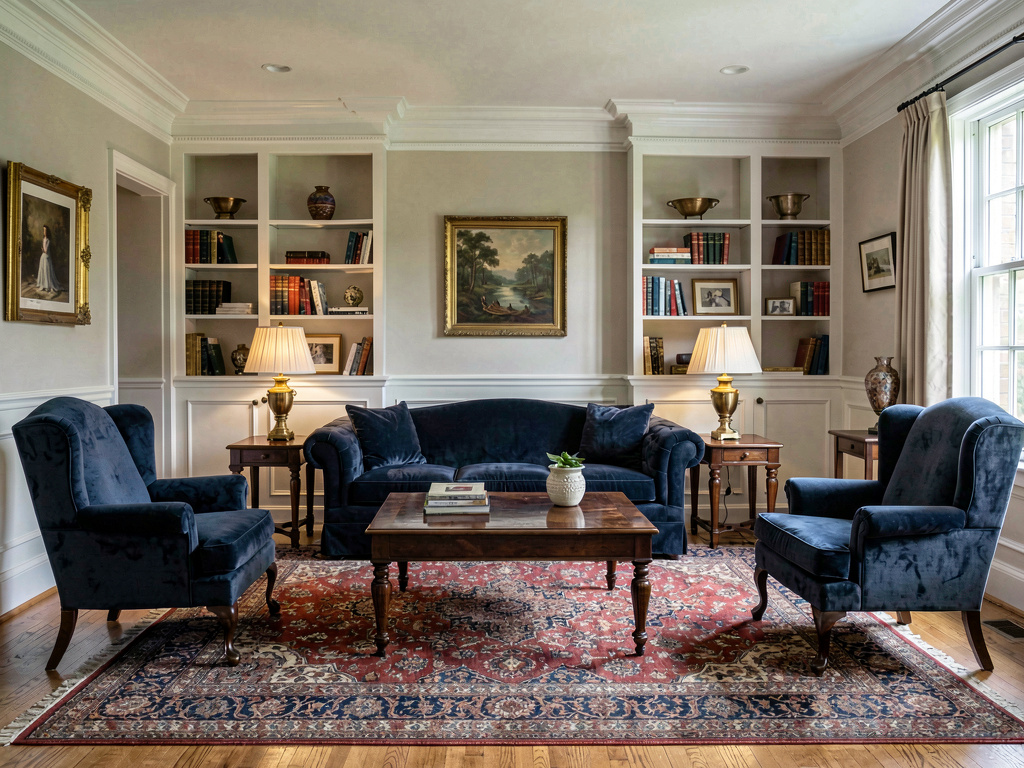
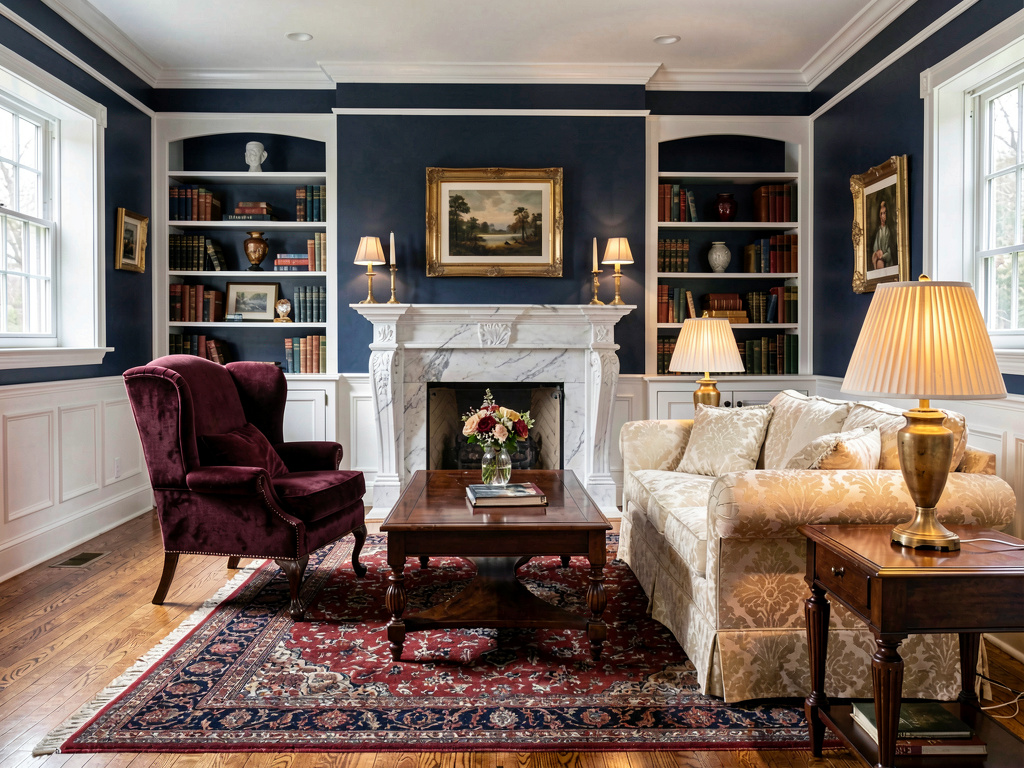
Crown molding. Wainscoting. A rolled-arm sofa in dark velvet. Wingback chairs. Turned legs on tables. An oriental rug. Matching table lamps. Built-in bookshelves. Everything is symmetrical and balanced, like the room was designed on a grid.
Traditional design draws from 18th and 19th century European furniture. It's formal without being stuffy (when done well) and ages better than almost any other style because it was never trendy to begin with. The style depends heavily on architectural details — molding, wainscoting, paneling — which means it works best in older homes that already have those bones. Adding crown molding to a new-construction home runs $3-$8 per linear foot installed, according to HomeAdvisor.
Traditional rooms cost more to furnish because the furniture is substantial. Budget $5,000-$15,000 for a living room depending on whether you're buying solid wood or veneer.
4. Scandinavian
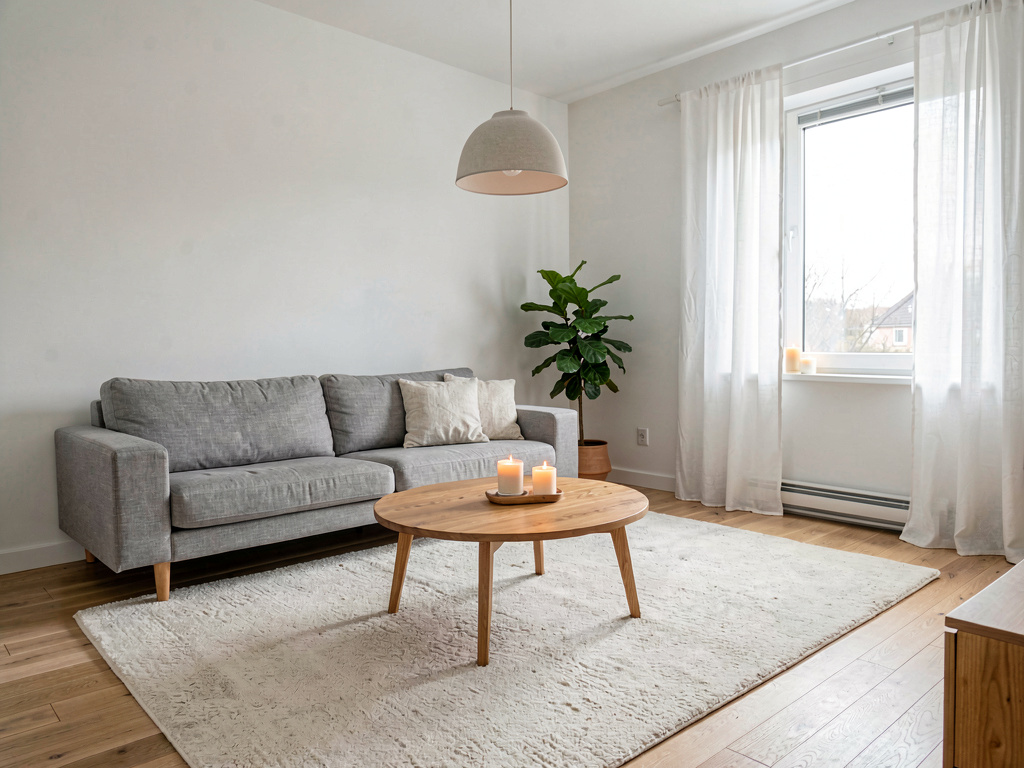
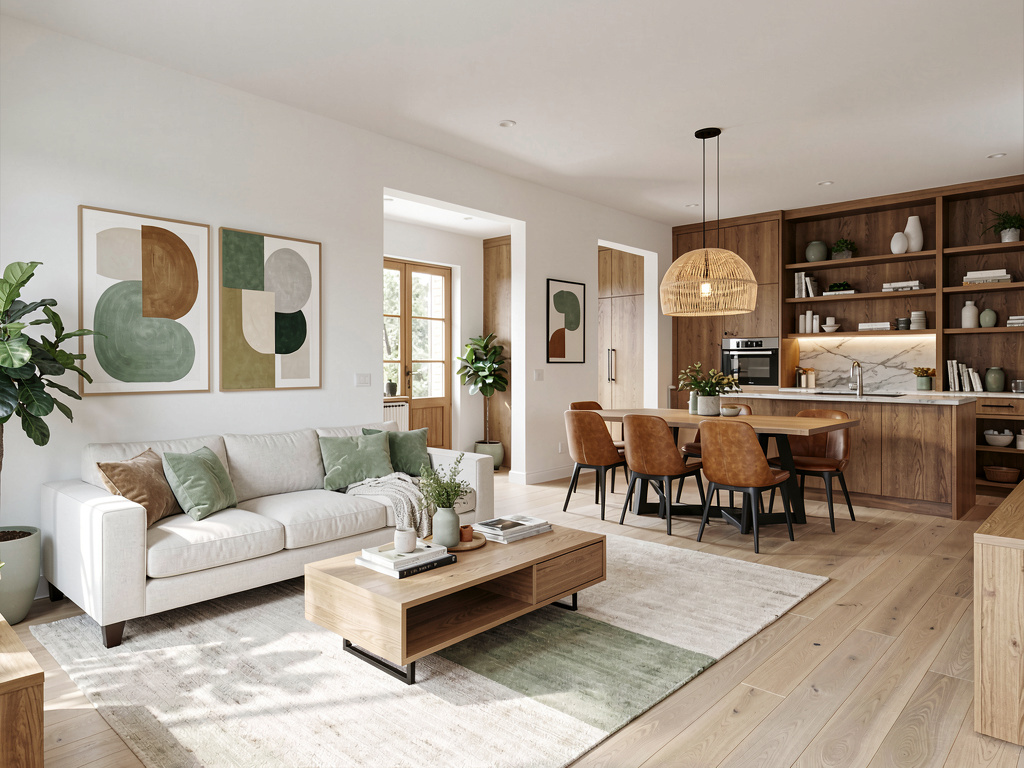
White walls. Light oak floors. A gray linen sofa. Cream wool textiles. One green plant. Candles. Functional simplicity where nothing is there just for decoration — every object does something or brings comfort.
Scandinavian design came out of the Nordic countries in the 1950s and is built around one idea: winter is long, so your home should feel warm and bright. That's why the palette is light (to reflect scarce daylight), the textures are soft (wool, linen, sheepskin), and the furniture is compact and functional. The style overlaps with minimalism but is warmer — Scandi rooms have candles, throws, and plants where a strict minimalist room might not.
It's one of the most affordable styles to achieve. IKEA was literally built on Scandinavian design principles. A full living room in this style runs $2,000-$6,000. See the Scandinavian interior design guide for room-by-room details.
5. Industrial
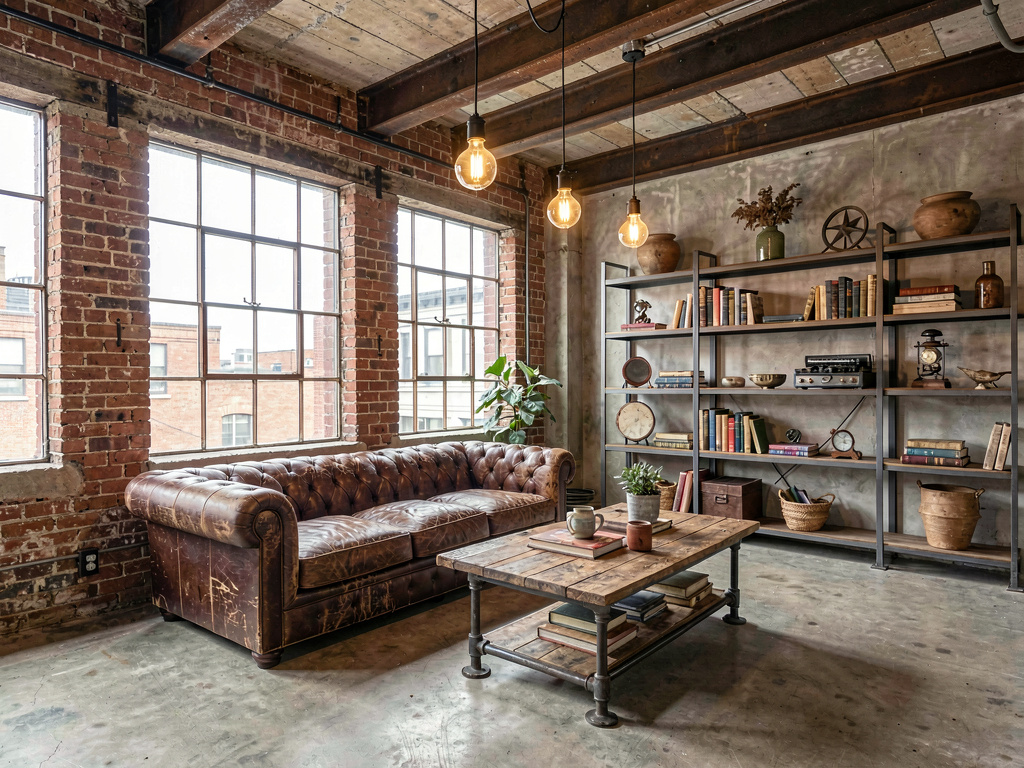
Exposed brick. Steel beams. Concrete floors. Metal-framed windows. A worn leather chesterfield sofa. A coffee table made from reclaimed wood and steel pipes. Edison bulbs hanging from the ceiling. Everything looks like it was repurposed from a factory, because that's the origin story.
Industrial design started in converted warehouses and lofts in the 1970s-1990s, and the style works best in spaces that already have the raw materials — high ceilings, exposed structure, large windows. Trying to fake industrial in a suburban home with 8-foot ceilings usually looks forced. The one exception is the kitchen, where open shelving, subway tile, and metal stools can create an industrial feel in any space.
The cost varies wildly. If you're in a loft that already has brick and concrete, you're mostly buying furniture ($3,000-$8,000). If you're exposing brick or adding steel shelving to a conventional home, expect $5,000-$20,000 in renovation costs depending on scope.
6. Bohemian
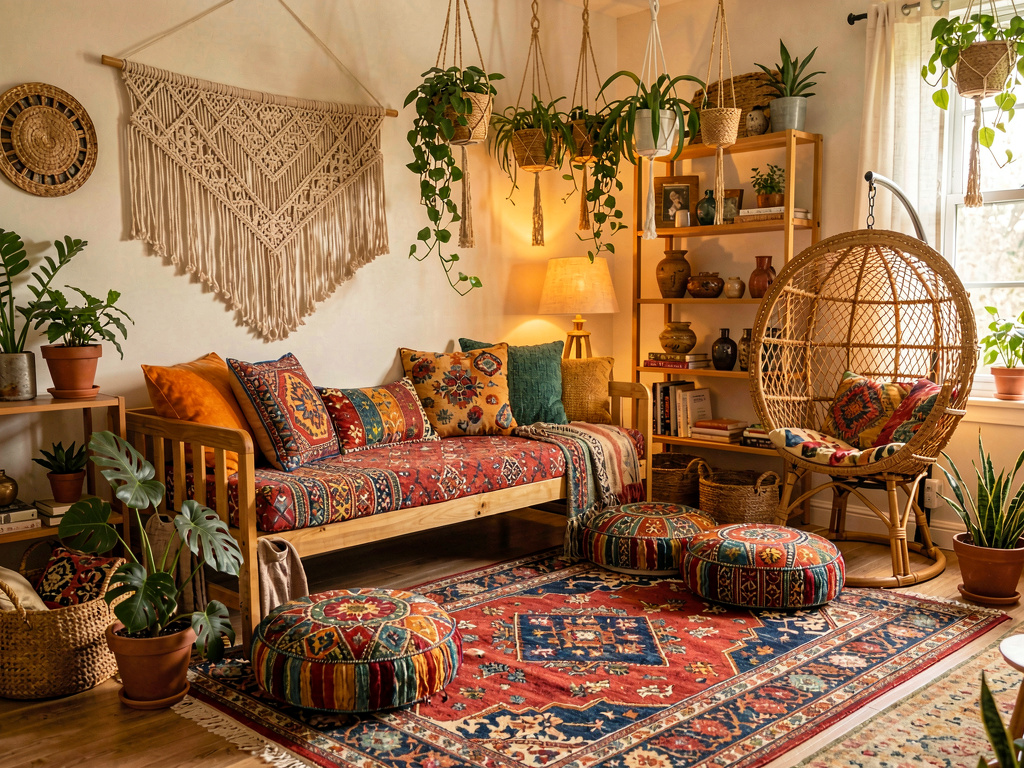
Layered Moroccan rugs. Macrame wall hangings. Floor cushions in every color. A rattan peacock chair. Plants hanging from the ceiling and sitting on every surface. Collected objects from travels. Nothing matches, and that's the point.
Bohemian design is the opposite of minimalism — it's about accumulation, warmth, and personal expression. The "rules" are: mix patterns freely, use warm and saturated colors, incorporate natural materials (rattan, jute, wood), and display things you love regardless of whether they "go" together. The best boho rooms look collected over years, not assembled from one shopping trip.
The biggest risk is tipping from curated into cluttered. The line is thinner than you'd think. One strategy: pick 3-4 colors and let patterns vary within that palette. Budget-wise, boho can be cheap because thrift stores, flea markets, and handmade pieces are core to the style. A full room runs $1,500-$5,000.
7. Modern farmhouse
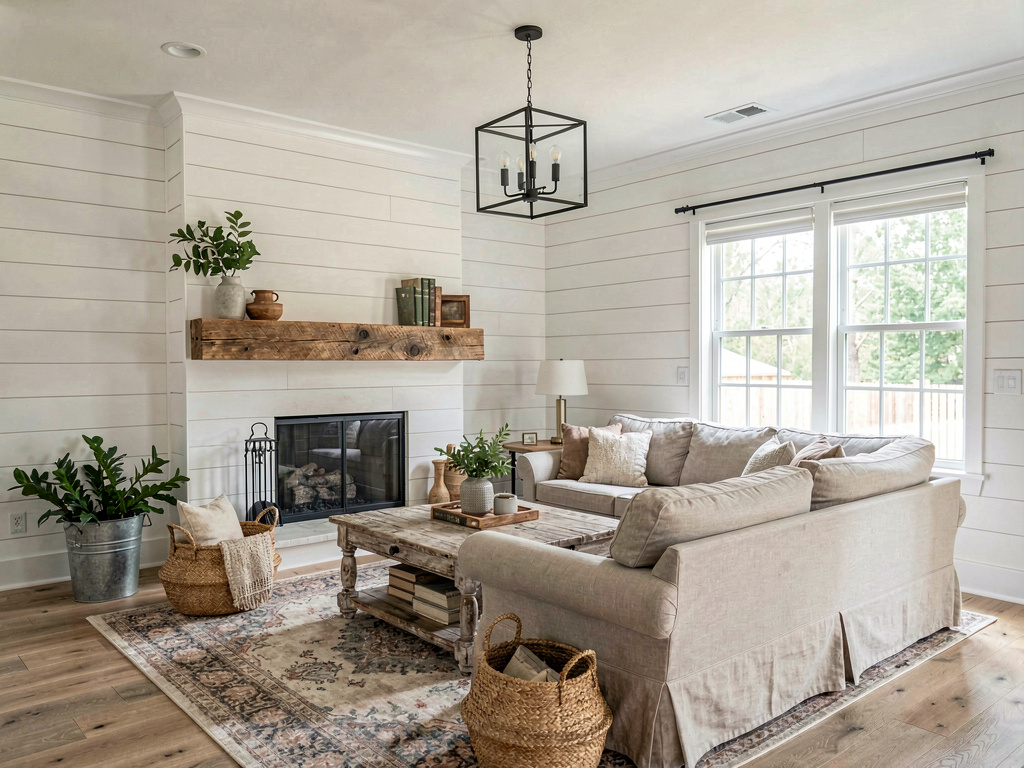
White shiplap walls. A reclaimed wood mantel. A comfortable linen slipcovered sofa in oatmeal. A distressed wood coffee table. Woven baskets everywhere. Black metal and glass light fixtures. Greenery in galvanized containers.
Modern farmhouse had a massive surge thanks to home renovation shows in the 2010s and has since settled into a more refined version of itself. The best modern farmhouse rooms keep the warmth (reclaimed wood, soft textiles, natural materials) but lose the kitsch (no "Live Laugh Love" signs, no mason jar everything). The style works particularly well in kitchens and living rooms where comfort is the priority.
According to Houzz's annual design survey, farmhouse and transitional are the two most popular styles for U.S. home renovations. Shiplap walls cost $4-$8 per square foot installed. A full living room runs $3,000-$10,000 depending on how much of the architecture you're changing. The modern farmhouse interior post goes deeper on room-by-room breakdowns.
8. Art deco
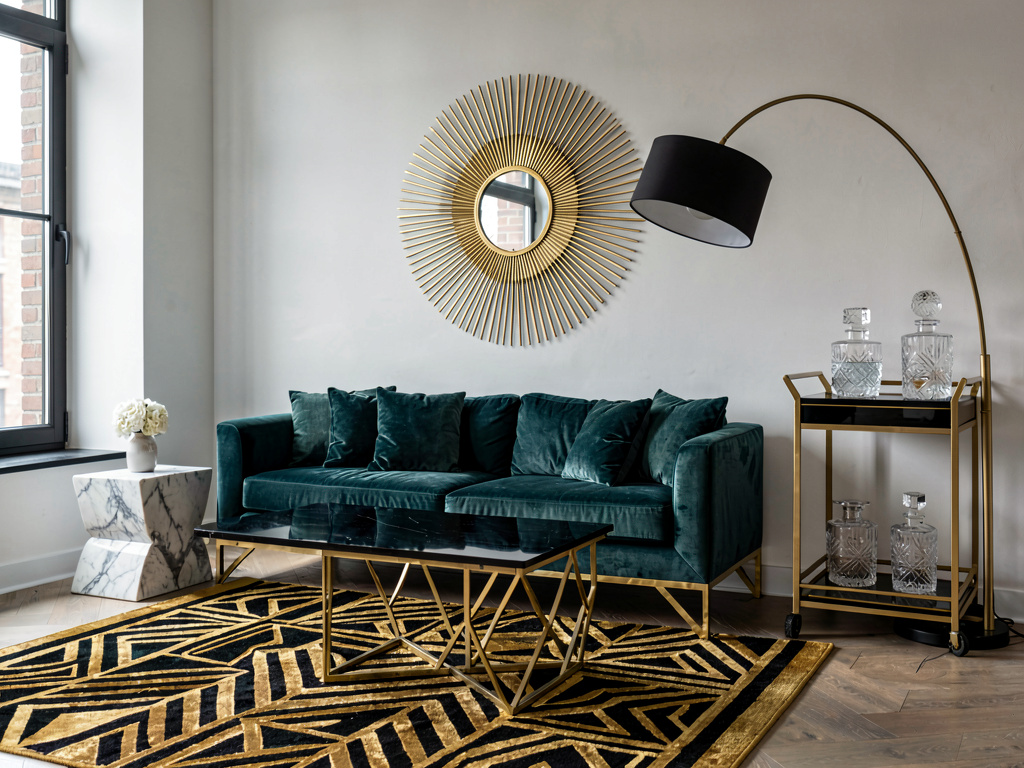
Dark teal velvet sofa with geometric brass legs. A black lacquer console. A sunburst mirror. A geometric rug in gold and black. A brass bar cart with crystal decanters. Marble, brass, and velvet everywhere.
See Your Room Redesigned
Download Remodel AI and transform any room in 30 seconds. 3 free designs, no signup.


Art deco comes from the 1920s-1930s and is the most glamorous style on this list. It's defined by geometric patterns, rich materials (velvet, marble, lacquer, brass), bold colors, and a sense of luxury. Unlike traditional design, which is symmetrical and restrained, art deco is symmetrical and dramatic.
This style costs more to execute well because the materials are expensive. Velvet sofas, marble tables, and brass fixtures add up. Budget $8,000-$20,000 for a living room. The payoff is a room that feels like a hotel lobby in the best way. For a deep dive, see the art deco interior design guide.
9. Japandi
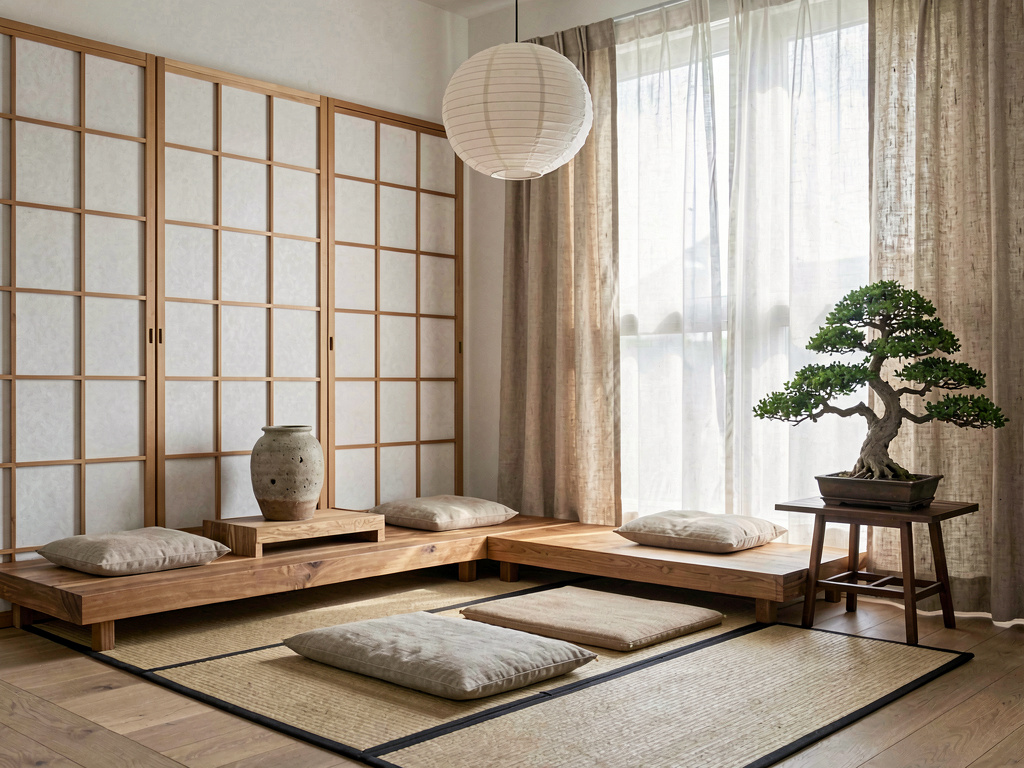
Low wooden platform seating with neutral cushions. A wabi-sabi ceramic vase — imperfect, handmade, beautiful for its irregularity. A paper pendant light. A tatami-inspired rug. A shoji-style screen divider. Everything sits low to the ground and every object has meaning.
Japandi blends Japanese and Scandinavian design, two traditions that share a love of simplicity, natural materials, and functional beauty. The Japanese influence adds the concept of wabi-sabi — finding beauty in imperfection — and a preference for lower furniture. The Scandinavian influence keeps things warm rather than austere. Together, they create rooms that feel serene and intentional.
This is a newer style (the term gained traction around 2020) and quality Japandi furniture — handmade ceramics, solid wood platform pieces — can be expensive. Budget $4,000-$12,000 for a living room. The key is restraint: 10 carefully chosen objects will always look better than 30.
10. Coastal
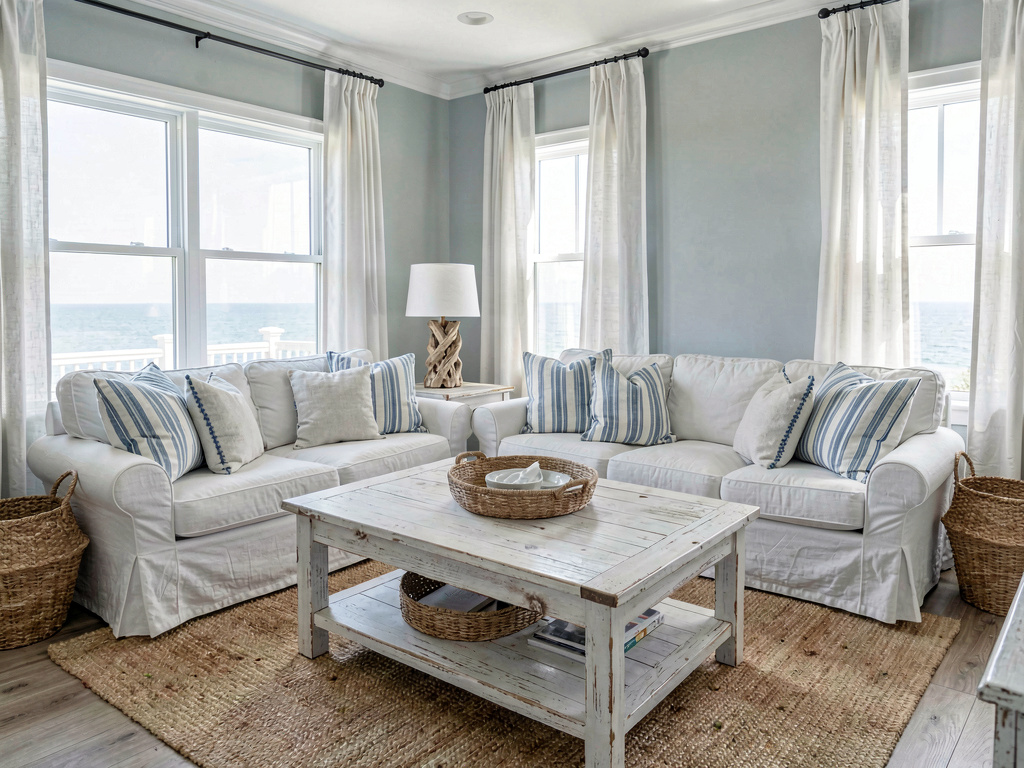
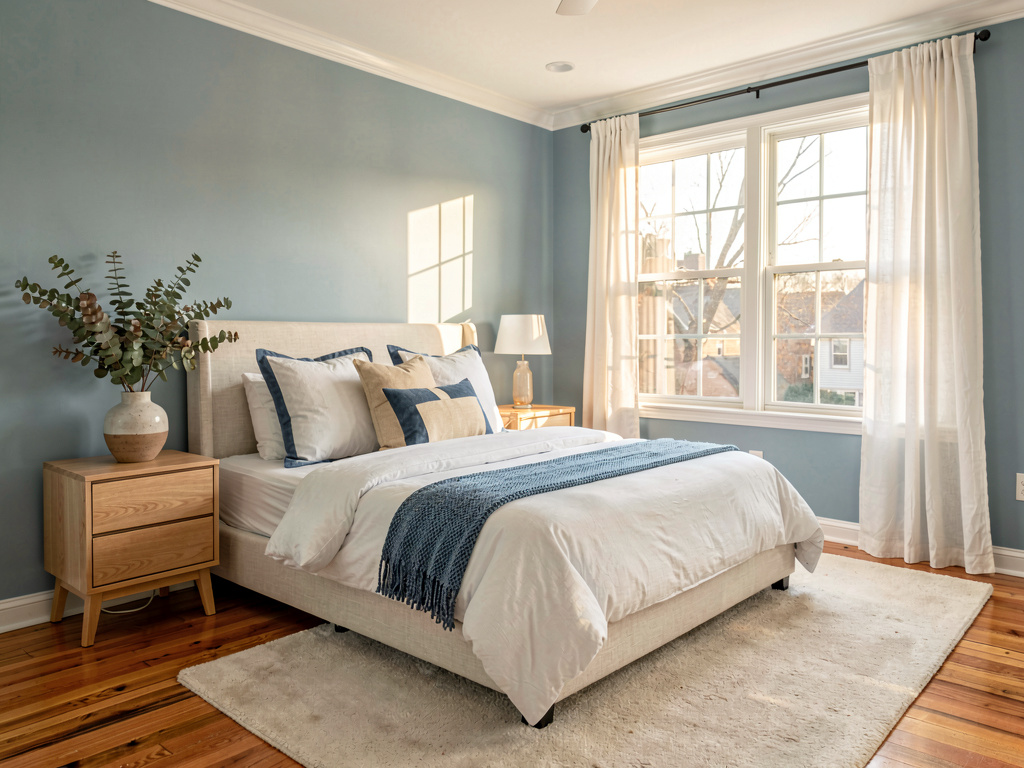
White slipcovered sofa. Blue and white striped pillows. A whitewashed coffee table. Sisal rug. Pale blue-gray walls. White linen curtains. Everything is light, airy, and relaxed.
Good coastal design has nothing to do with seashells, anchors, or starfish. It's a blue-and-white color palette with natural textures (sisal, linen, whitewashed wood) that makes a room feel like there's a breeze even when the windows are closed. The constraint of only two colors plus naturals makes it easy to execute.
This style works in any climate, not just beachfront homes. A coastal palette in a Chicago apartment is just as calming as one in Malibu. Budget $2,500-$7,000 for a living room — slipcovered sofas and sisal rugs are mid-price, and the accessories are simple.
11. Transitional
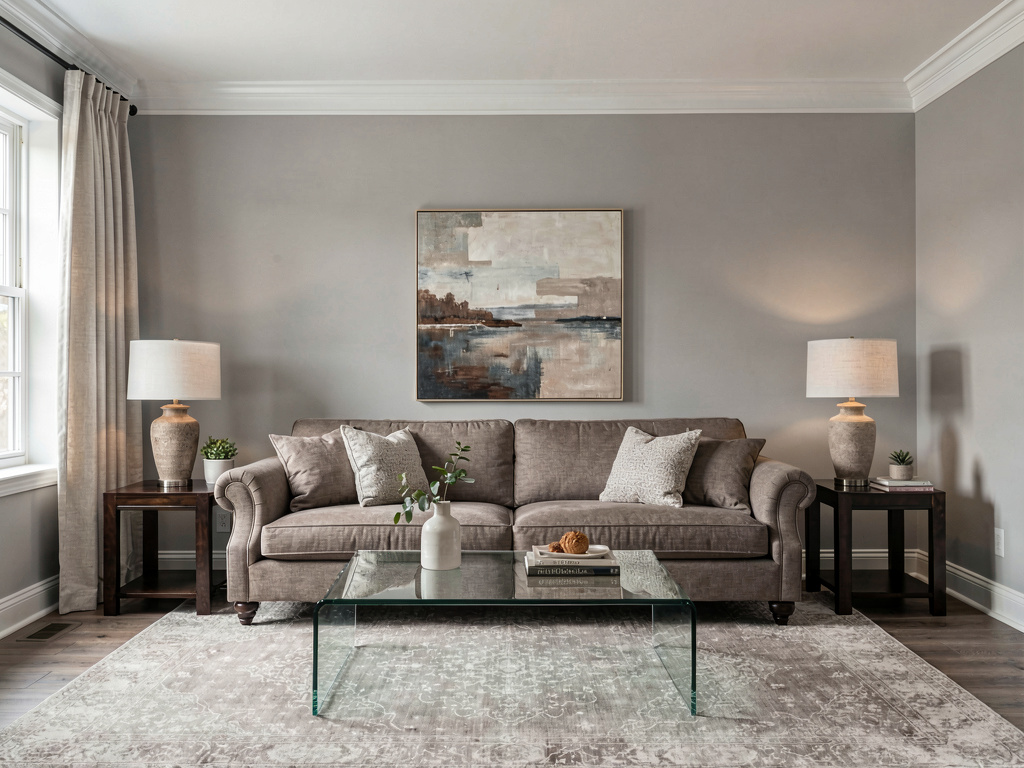
A classic sofa shape in modern taupe linen. Contemporary glass coffee table next to traditional table lamps with updated shades. Simple crown molding. A neutral area rug with subtle pattern. Nothing looks dated and nothing looks trendy.
Transitional is what most people actually end up with even if they don't know the name. It blends traditional and contemporary — classic furniture shapes but updated fabrics and finishes. If you like traditional rooms but find them too formal, or modern rooms but find them too cold, transitional is probably your style.
The advantage of transitional design is durability. Because it avoids extremes in either direction, nothing in the room will look dated in five years. According to the American Society of Interior Designers, transitional is consistently the most popular residential style in the U.S. Budget $4,000-$12,000 for a living room.
12. Mediterranean
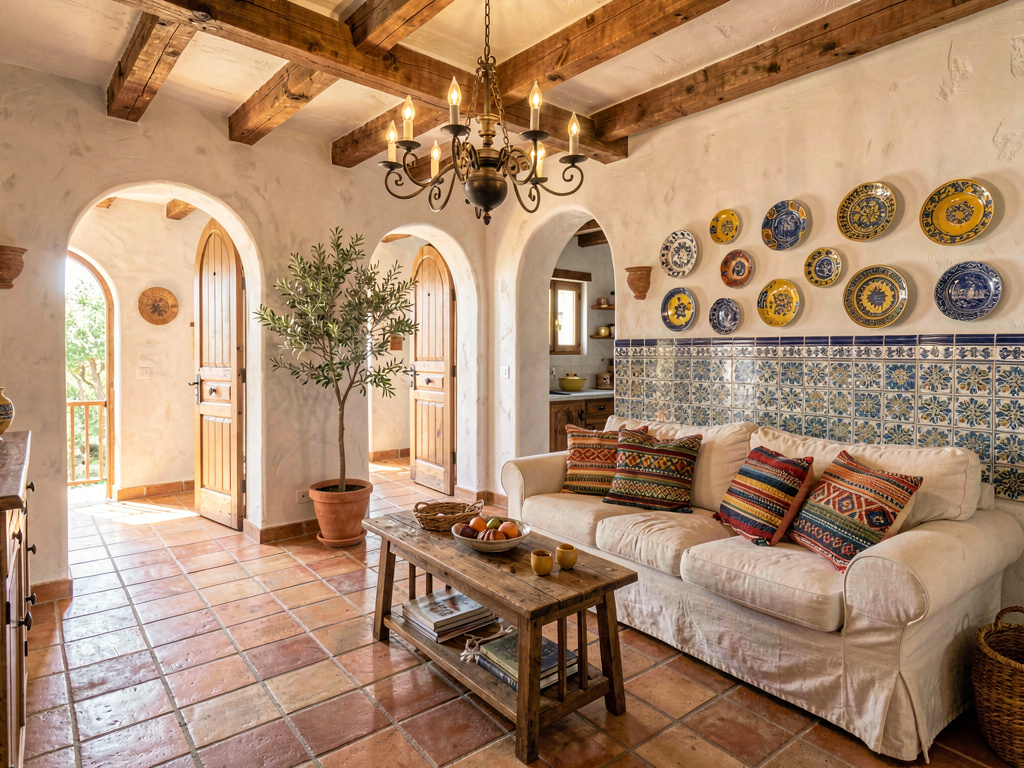
Terracotta tile floors. Arched doorways. White stucco walls. A wrought iron chandelier. Colorful woven pillows. Rustic wood beams on the ceiling. A potted olive tree. Ceramic tile accents in blue and yellow.
Mediterranean design draws from Southern European homes — Spain, Italy, Greece — and is defined by warm earthy materials (terracotta, stone, wood), arched architecture, and sun-drenched color palettes. It works best in homes that already have some of these architectural features or in warm-climate regions where the indoor/outdoor connection feels natural.
Like traditional design, Mediterranean style depends on architecture. Terracotta tile costs $5-$15 per square foot installed, and arched doorways are a structural change that runs $1,000-$3,000 per opening, according to HomeAdvisor. A full room with existing architecture runs $4,000-$10,000 for furniture and decor.
How to find your style
If you've read through all 12 and still aren't sure, try this:
Save 20 rooms you love. Open Pinterest, Instagram, or just screenshot rooms from this article. Don't think about it — just save what catches your eye. After 20, look at what you saved. You'll notice patterns: similar colors, similar furniture shapes, similar vibes. That pattern is your style.
Look at what you already own. Your current home probably already leans toward a style even if it's not fully realized. If your bookshelf has candles and wool throws, you're probably Scandinavian. If it has brass objects and velvet boxes, you're probably art deco. Work with what you're drawn to, not against it.
Test with AI first. Upload a photo of your room to Remodel AI and try different styles on your actual space. Seeing mid-century modern applied to your living room is more useful than looking at someone else's — you'll immediately know if it works with your windows, your flooring, and your light.
What about mixing styles?
Most real homes mix two styles, and that's fine. The combinations that work best share something in common:
- Scandinavian + Japandi — both value simplicity and natural materials
- Mid-century modern + bohemian — warm wood + warm textiles
- Traditional + transitional — classic bones with modern updates
- Industrial + modern minimalist — raw materials + clean lines
- Farmhouse + coastal — natural textures + relaxed vibe
The combinations that clash are the ones with opposite values: art deco's opulence with minimalism's restraint, or industrial's rawness with traditional's formality. Pick two styles that share at least one principle and you'll be fine.
How much does it cost to redesign a room in a new style?
That depends on how much you're changing. Paint and accessories (pillows, throws, art) can shift a room's style for $300-$800. Replacing furniture moves the budget to $3,000-$15,000 depending on the style. Architectural changes (molding, shiplap, tile) push it to $10,000+. Start with paint and accessories — you'll be surprised how far that gets you.
What's the most popular interior design style right now?
Transitional and modern farmhouse trade the top spot in most U.S. surveys. But popularity shouldn't drive your choice. The best style for your home is the one you won't get tired of in two years. If you're choosing between trendy and timeless, pick timeless.
Can I change styles without a full renovation?
Yes. The fastest way to change a room's style is to swap soft furnishings: pillows, throws, rugs, curtains, and art. These set the color palette and texture, which are the two biggest style signals in any room. Keep the big furniture pieces neutral (gray, white, beige) and you can restyle the room seasonally.
How do I know if a style works with my home's architecture?
Some styles need specific architecture — Mediterranean needs arches, industrial needs height, traditional needs molding. But most styles (Scandinavian, minimalist, transitional, bohemian, coastal) work in any home because they're driven by furniture and decor rather than structure. Start with those if your home is a standard new build.
Is there an app that shows different styles on my room?
Yes. AI room design tools let you upload a photo and apply different styles. Remodel AI gives you a list of styles to choose from and shows you what your actual room would look like in each one — no design experience needed. It's the fastest way to narrow down your style without spending money.
Ready to Try AI Interior Design?
Upload a photo and redesign any room in seconds. 3 free designs, no signup required.