House color visualizer: see your home in any color before you paint
Upload a photo of your house and try different paint colors instantly. Free AI visualizer vs brand apps compared. Works on siding, brick, stucco, and trim.

Ryan H.
Founder of Remodel AI · April 27, 2026 · 8 min read
Remodel AI is the best free house color visualizer in 2026 — upload a photo of your home and see it in any exterior color in 10 seconds. Works on siding, brick, stucco, and wood. Unlike Sherwin-Williams ColorSnap or Benjamin Moore, Remodel AI isn't locked to one paint brand. You get 3 free designs with no credit card.
Choosing an exterior paint color is a $3,000-$8,000 decision. Most people pick a color from a 2-inch paint chip, imagine it covering 2,000 square feet of siding, and hope for the best. That's why house color visualizers exist — they let you see the actual color on your actual house before you commit. The problem is that most visualizers are terrible. Paint brand apps show unrealistic flat-color overlays that look nothing like real paint on real surfaces. AI-powered tools like Remodel AI solve this by generating photorealistic renderings that account for shadows, texture, and lighting.
How to use a house color visualizer
The process takes about 60 seconds:
Step 1: Take a photo of your house. Straight-on from the street works best. Include the full front facade — roof, siding, windows, front door, and some landscaping. Afternoon light with no harsh shadows gives the most accurate results.
Step 2: Upload the photo to Remodel AI. The AI identifies your home's surfaces — siding, trim, door, shutters, roof.
Step 3: Describe the color change you want (e.g., "paint the house sage green with white trim and a black front door") or pick from 30+ exterior styles.
Step 4: Get a photorealistic rendering in about 10 seconds. The result shows your house with the new color, preserving the original architecture, landscaping, and lighting.
Step 5: Try more options. Most people test 3-5 colors before narrowing down. That's exactly what the 3 free designs are for.
AI visualizers vs. paint brand apps
Not all house color visualizers are created equal. Here's how the main options compare in 2026:
Remodel AI — AI-powered. Upload a photo, describe any color or style, get a photorealistic rendering. Not limited to any paint brand. Works on any surface type. Free (3 designs), Pro ($29/mo), Premium ($49/mo). Available on iOS, Android, and web.
Sherwin-Williams ColorSnap Visualizer — Free. Lets you tap surfaces in a photo to apply Sherwin-Williams colors. The overlay is flat and uniform — it doesn't account for shadows, texture, or how paint looks different in sunlight vs. shade. Only shows Sherwin-Williams colors.
Benjamin Moore Color Portfolio — Free. Similar flat-overlay approach. Only shows Benjamin Moore colors. The color accuracy is decent but the rendering is unrealistic because it applies a single flat tone to the entire surface.
ColorSmart by Behr — Free. Same flat-overlay method. Locked to Behr colors. Works best on simple, flat-fronted houses. Struggles with mixed materials.
AI Designer — AI-powered iOS app with exterior color visualization. Uses AI rendering similar to Remodel AI.
The core difference: paint brand apps overlay a flat color on your photo. AI tools generate a new photorealistic image of your house in the new color. The AI approach handles shadows, material texture, and lighting naturally because it's rendering the entire scene, not just swapping a color layer.
Best exterior house colors in 2026
Color trends shift slowly for exteriors — nobody repaints their house every year. But the current palette has a clear direction:
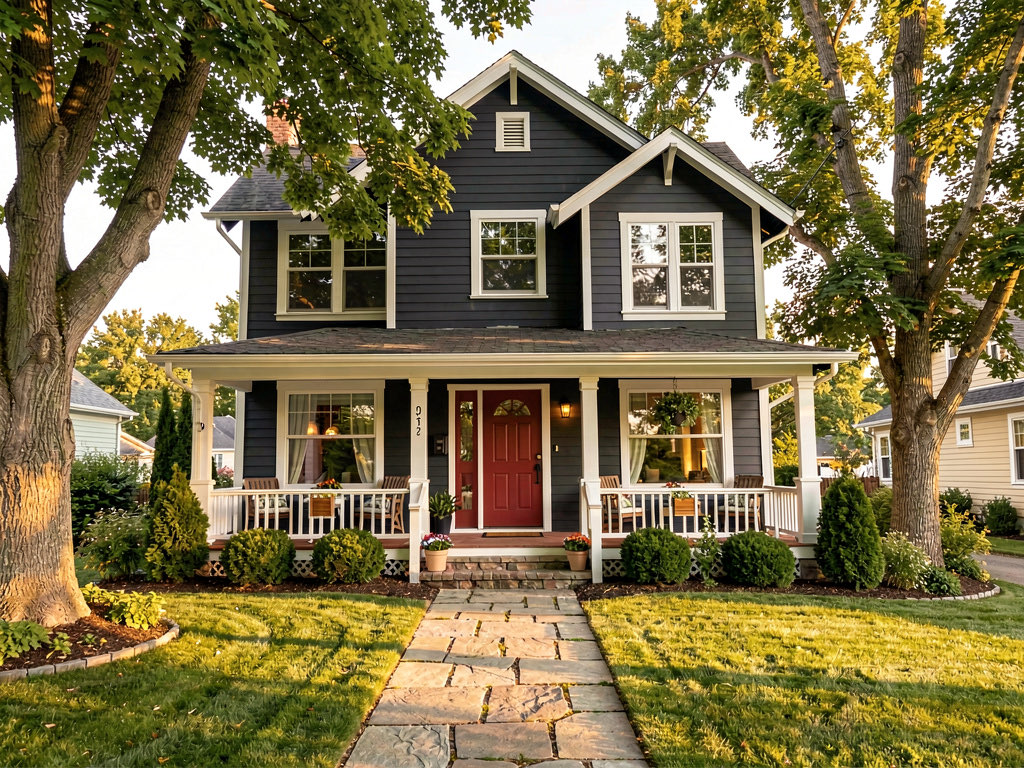
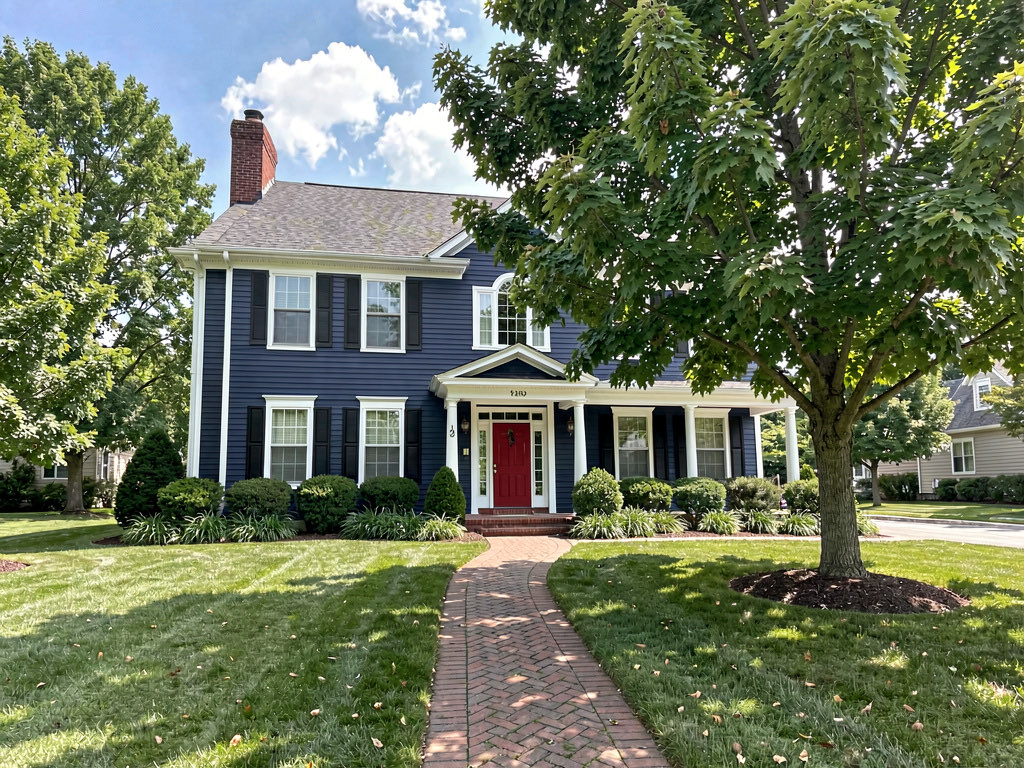
Navy blue — the most popular dark exterior color in 2026. Works on colonial, craftsman, and contemporary homes. Pair with white or cream trim. Navy reads as sophisticated without being as stark as black.
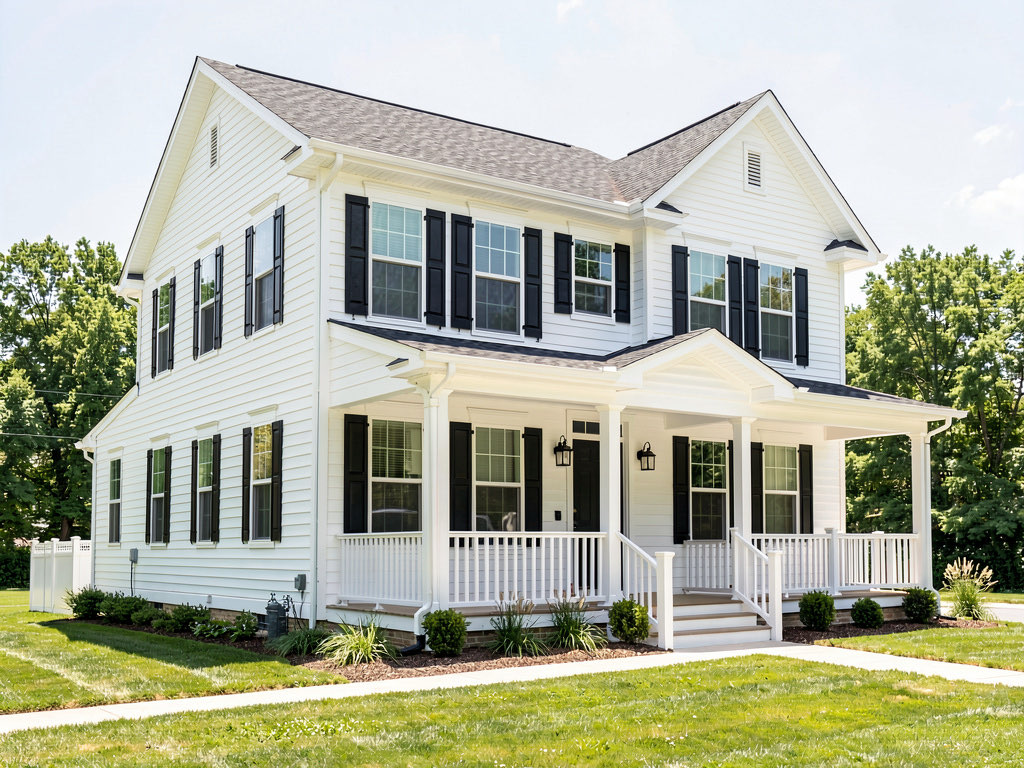
All white with black trim — the modern farmhouse look that's been trending for five years and shows no signs of fading. Crisp and clean. The black trim adds definition without competing with the architecture.
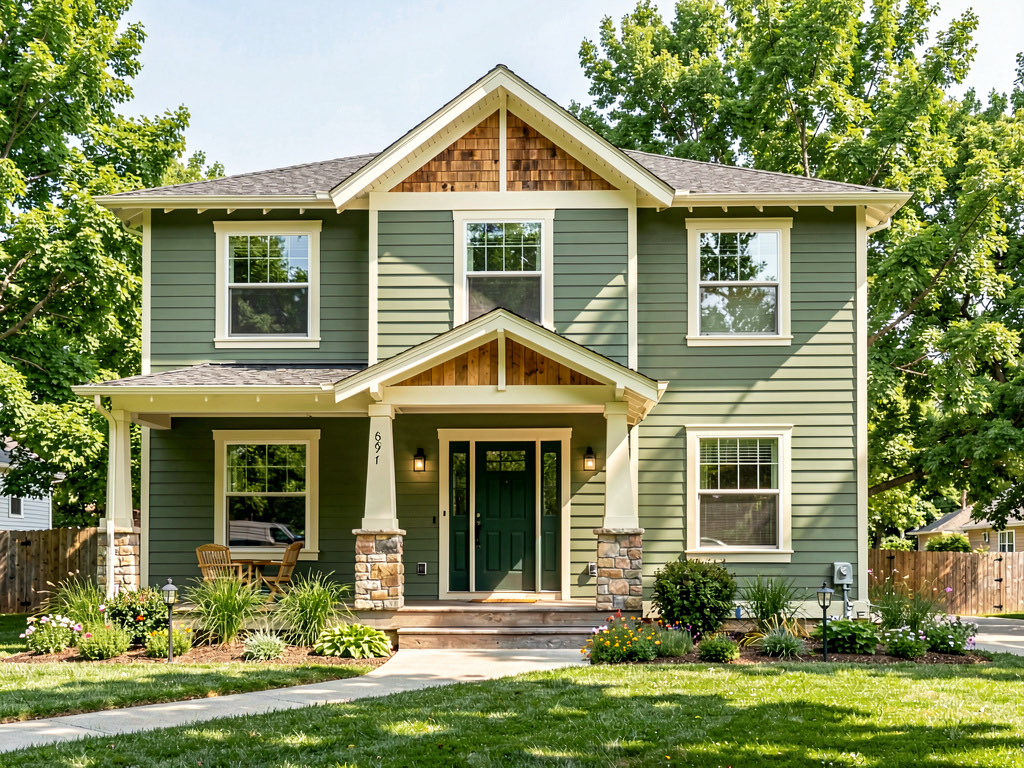
Sage green — the breakout exterior color of the last two years. Earthy and calming. Works especially well on craftsman and cottage-style homes. Pair with cream or warm white trim, never bright white.
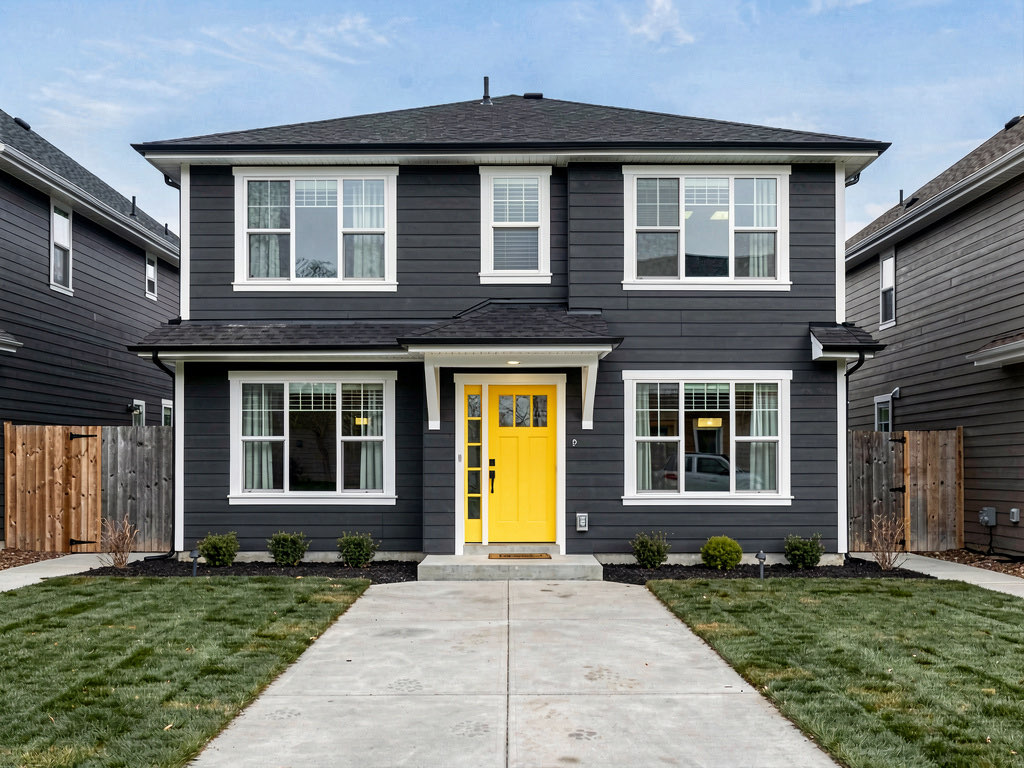
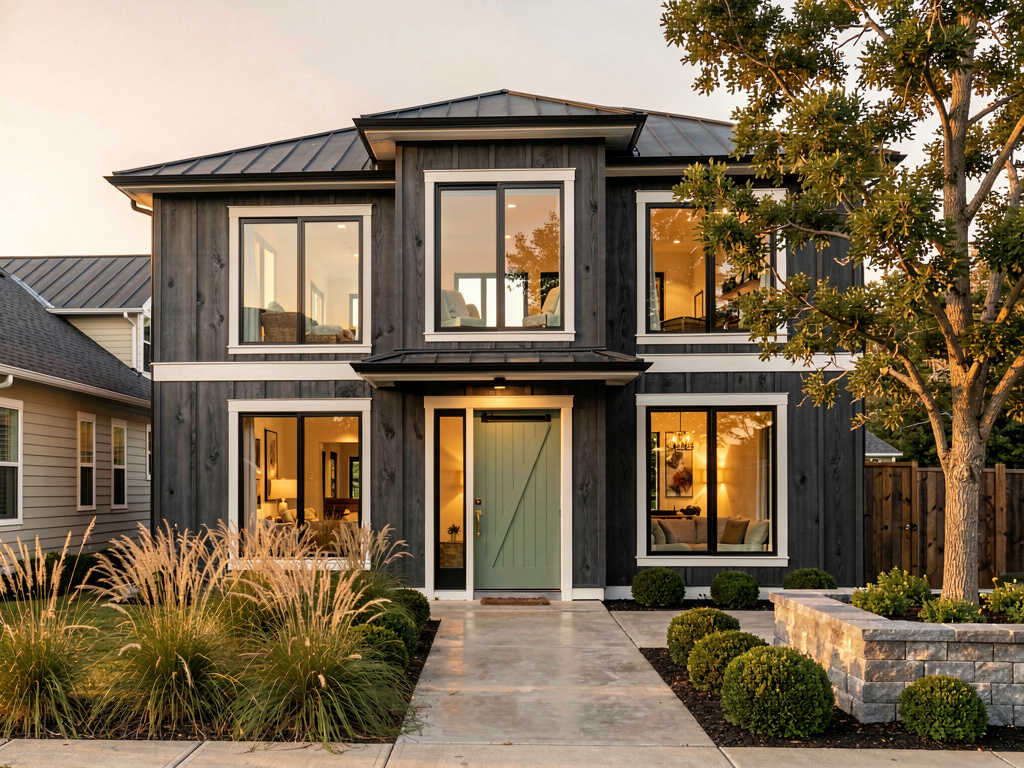
Charcoal gray — bold and modern. The dark body with white trim is essentially the inverse of the white-with-black-trim trend. Works best on homes with strong architectural lines. A pop of color on the front door (yellow, red, or teal) prevents the dark exterior from feeling heavy.
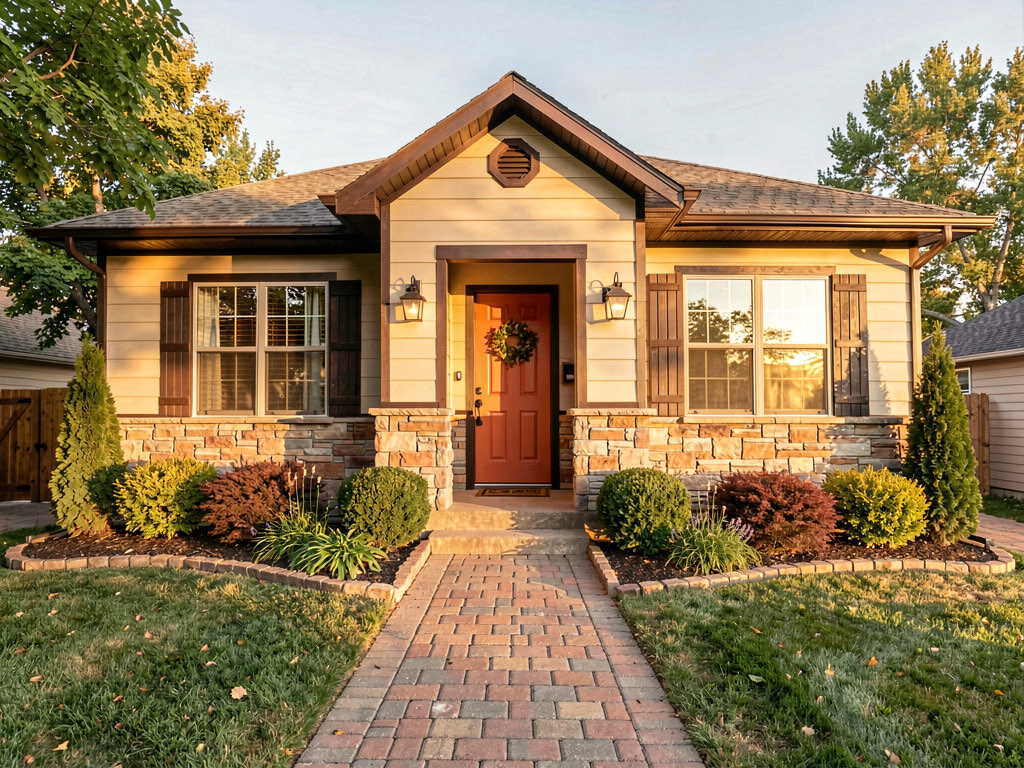
Warm beige and greige — the safe choice, and that's not a bad thing. Warm neutrals sell houses. They photograph well. They complement every landscape. According to Zillow's Paint Color Analysis, homes with warm exterior neutrals sell faster than homes with bold colors.
How different materials affect exterior color
See Your Room Redesigned
Download Remodel AI and transform any room in 30 seconds. 3 free designs, no signup.


The same paint color looks different on different surfaces. This is the biggest reason flat-overlay visualizers fail — they show one color on every surface, but real paint behaves differently on each material.
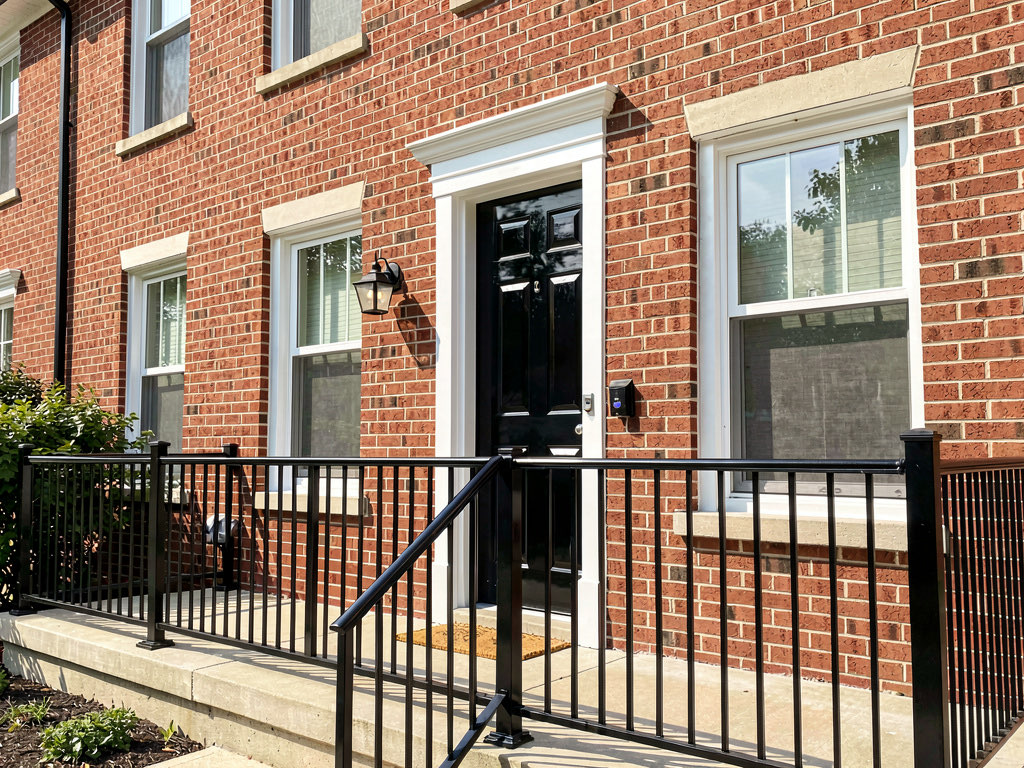
Brick — has a rough, porous texture that absorbs light. Paint on brick looks darker and more muted than the same color on smooth siding. If you're painting brick (and that's a one-way decision — you can't unpaint brick easily), go one shade lighter than you think you want. Better option: leave the brick natural and update the trim, shutters, and door colors instead. The brick house above shows how much new trim and a painted door can modernize brick without touching the brick itself.
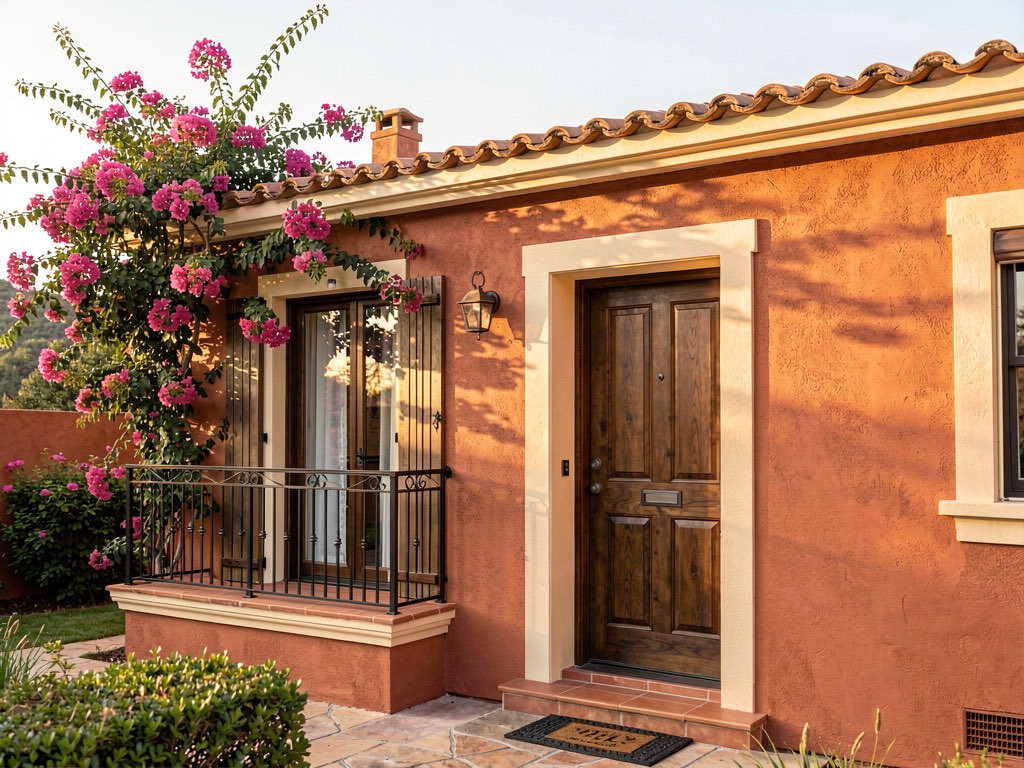
Stucco — has a textured surface that creates tiny shadows across the entire facade. This makes colors look slightly darker and warmer in person than on a flat paint chip. Stucco takes paint well and holds color for years, but the texture means bold colors can look overwhelming. Earthy tones — terracotta, sand, cream, sage — work best on stucco because they complement the natural texture.
Vinyl siding — smooth and uniform. What you see on the paint chip is close to what you get on the house. Vinyl can be painted with exterior-grade acrylic latex, but choose a color that's equal to or lighter than the existing color. Dark paint on vinyl siding absorbs heat and can cause the panels to warp.
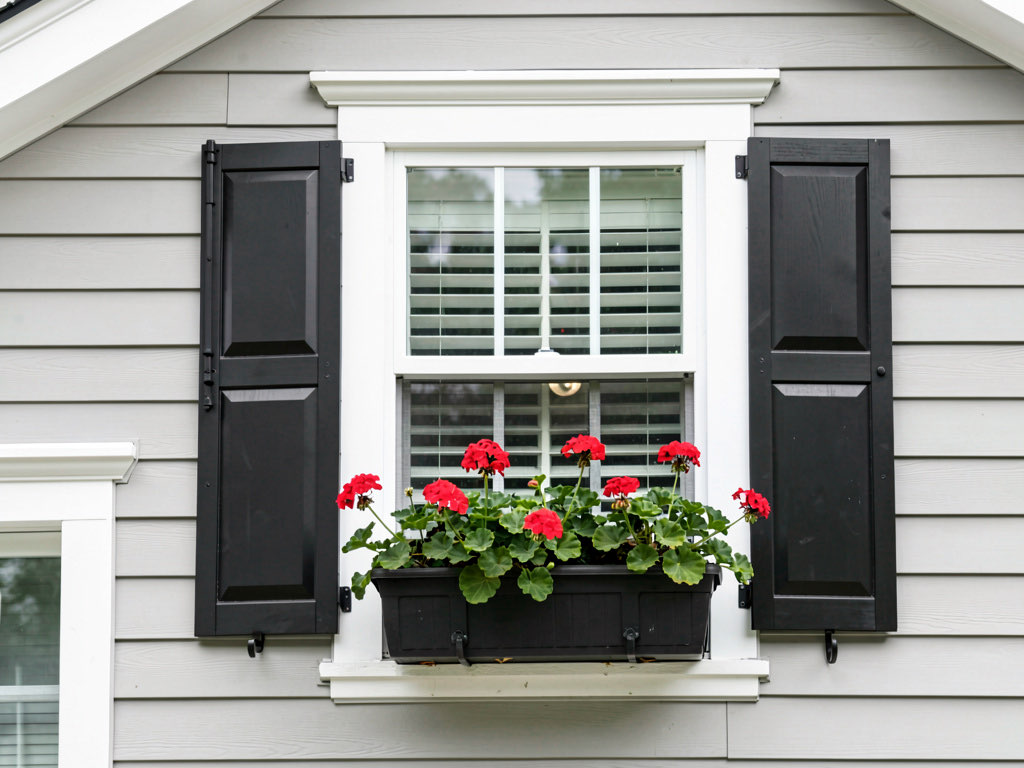
Wood clapboard and shingles — shows wood grain texture through paint, which adds character. Wood takes any color well. The grain pattern means the color has natural variation and depth that flat surfaces lack. Semi-transparent stains let the wood grain show through; solid stains and paint cover it completely.
How much does it cost to paint a house exterior?
The total cost depends on the size of the house, the condition of the existing paint, and your region:
- DIY single-story ranch (1,500 sq ft): $500-$1,200 in paint and supplies
- Professional single-story: $2,000-$4,000
- Professional two-story (2,500 sq ft): $4,000-$8,000
- Professional three-story or complex architecture: $8,000-$15,000
According to HomeAdvisor, the national average for a professional exterior paint job is $3,100 for a single-story home. Prep work (scraping, sanding, priming) accounts for 60-80% of the labor cost, which is why homes with peeling or damaged paint cost more to repaint.
The trim and accent strategy
If a full exterior repaint isn't in the budget, the highest-impact approach is painting just the trim, shutters, and front door. These three elements frame every window and the main entrance — they define how the house looks from the street without touching the siding.
A typical trim-and-accent repaint costs $500-$1,500 for a professional and $100-$300 DIY. The results can be dramatic. Changing brass-colored trim to white, adding black shutters where there were none, and painting a boring white door in a bold color can make a house look like it got a $10,000 upgrade.
For more on picking the right door color specifically, see our guide on how to pick a front door color. And if you're thinking about a broader exterior overhaul, our exterior renovation ideas post covers 12 upgrades organized by budget.
How to visualize your house color
Before buying 5-gallon buckets of paint, test your top color choices with Remodel AI:
- Take a photo of your house from the street
- Upload it and describe the color you want to see
- Compare 2-3 options side by side
- Take the rendering to your paint store and get the closest color match
3 free designs. Available on iOS, Android, and web.
What is the most popular house color in 2026?
White remains the most common exterior house color in the United States, followed by gray and beige. For new paint jobs specifically, warm whites, charcoal grays, and sage greens are the most popular choices in 2026. Navy blue is the fastest-growing dark color. Bold colors like red, yellow, and teal are popular for front doors and accents but rare as full-house colors.
Can you visualize house colors for free?
Yes. Remodel AI offers 3 free designs — enough to test your top color choices. Paint brand apps (Sherwin-Williams ColorSnap, Benjamin Moore) are fully free but limited to their own color lines and use flat overlays instead of photorealistic AI rendering. For the most realistic preview, AI-based tools are significantly better than flat-overlay apps.
Does exterior paint color affect home value?
Yes. According to Zillow research, homes with certain exterior colors sell for more. Black or charcoal front doors are associated with the highest premium. Neutral body colors (warm whites, grays, greiges) sell faster than bold colors. The takeaway: if you're painting to sell, go neutral on the body and bold on the door. If you're painting for yourself, pick whatever you love — you're the one who sees it every day.
Should I paint my brick house?
Think carefully before painting brick. Painted brick looks clean and modern, but it's nearly irreversible — removing paint from brick is expensive and often damages the brick. If the brick is in good condition, consider updating the trim, shutters, and door instead. If the brick is damaged, discolored, or truly dated, limewash (a semi-transparent coating) is a less permanent alternative to full paint. Use Remodel AI to see what your brick house looks like with different trim colors before making the decision to paint the brick itself.
A house color visualizer turns a $3,000-$8,000 guessing game into an informed decision. Upload your house, test your top picks, and commit with confidence. The 10 seconds it takes to generate a preview can save you from years of regretting a color choice.
Try Remodel AI free — available on iOS, Android, and web.
Ready to Try AI Interior Design?
Upload a photo and redesign any room in seconds. 3 free designs, no signup required.