Wabi-Sabi Bathroom Ideas
Wabi-Sabi bathroom ideas with beauty in imperfection. See AI-generated designs and try the look on your own bathroom.
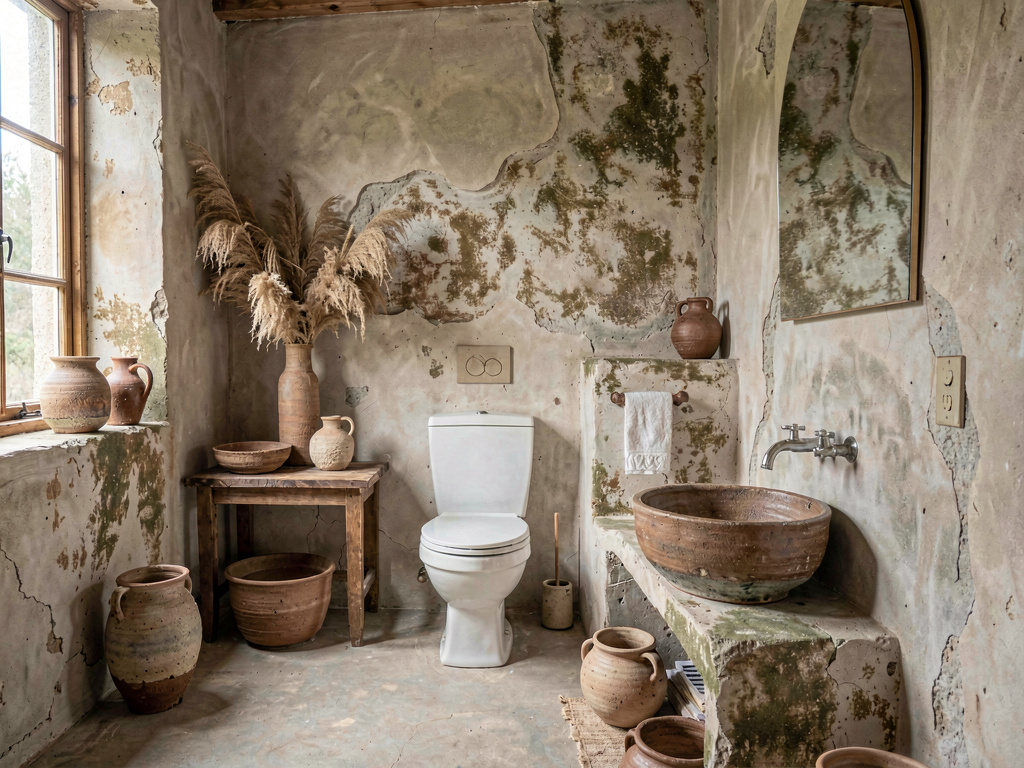
Wabi-Sabi bathroom ideas turn the daily routine into an experience with beauty in imperfection, handmade ceramics, raw textures, humble materials. The bathroom is where material choices matter most — everything must handle moisture while maintaining the aesthetic. The palette centers on raw clay, aged white, charred wood, using hand-formed clay, raw plaster, natural linen as the primary materials. Start with the biggest surface — walls and floors — then layer in furniture that reinforces the wabi-sabi aesthetic. The key to making wabi-sabi design work in a bathroom is editing: choose fewer, better pieces rather than filling every corner. Upload a photo of your bathroom to Remodel AI and see exactly how this style transforms your specific space in seconds.
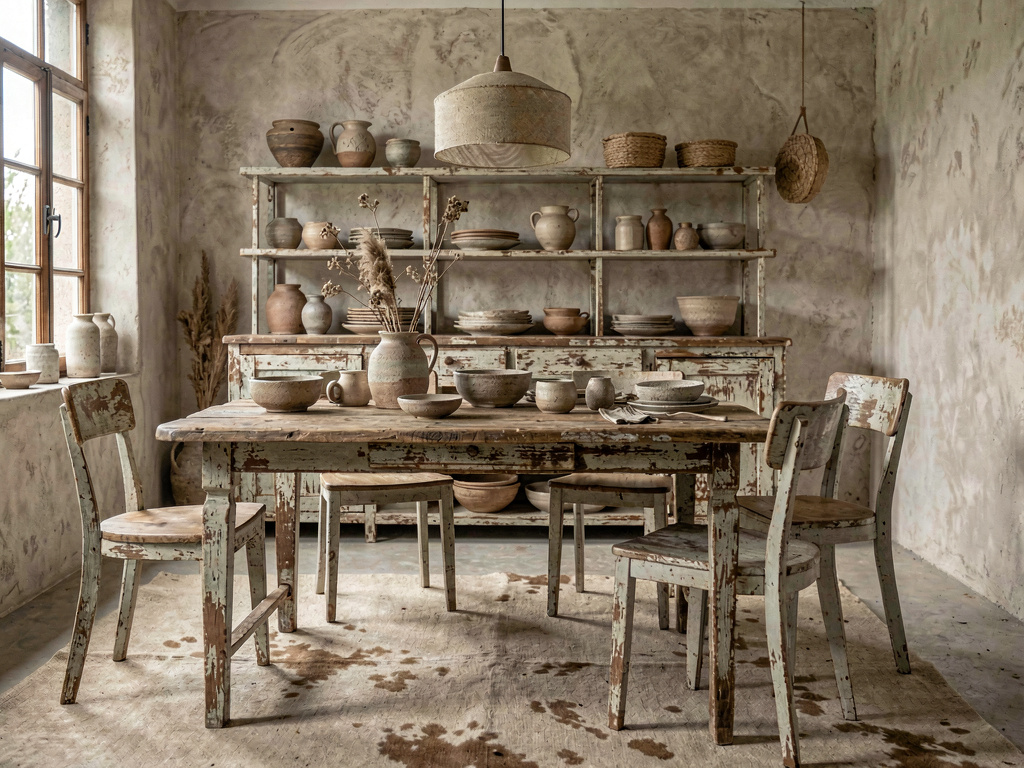
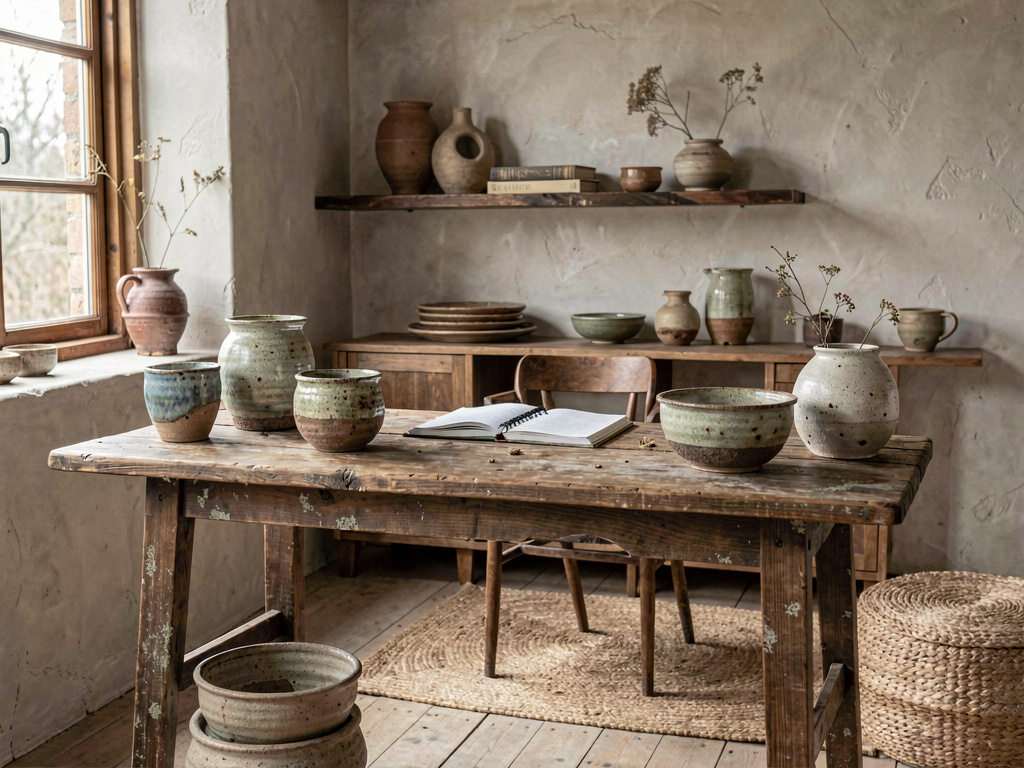
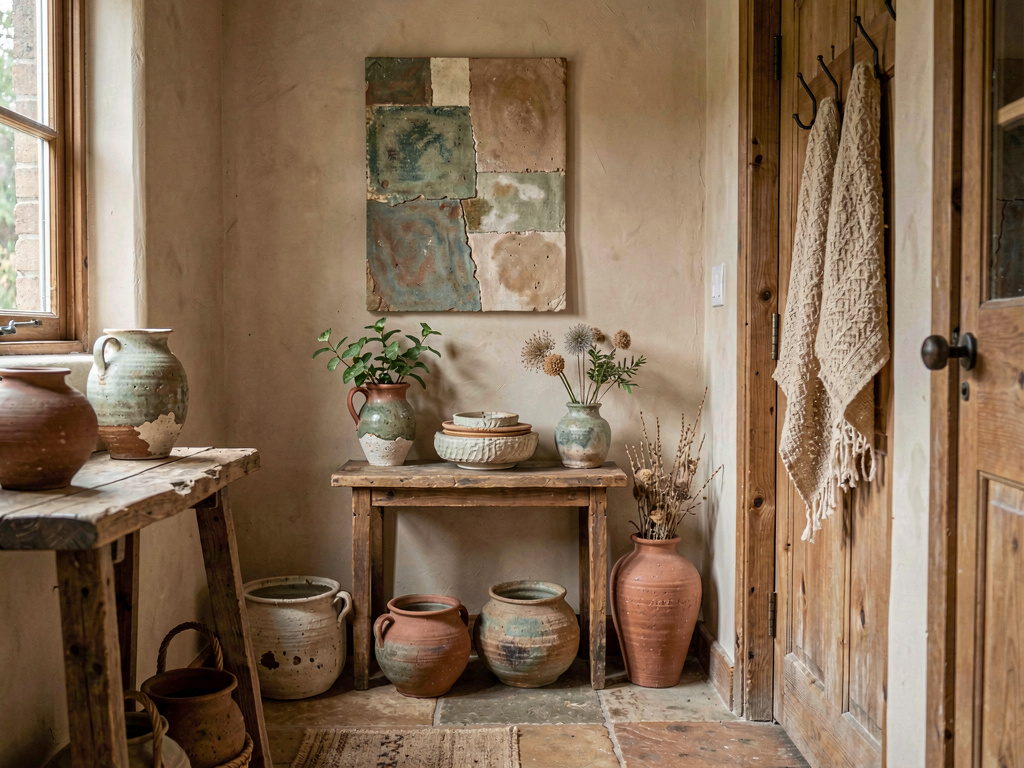
Wabi-Sabi bathroom from every angle

A wide angle view of this wabi-sabi bathroom showing the full layout and natural light flow.

Close-up of the materials, textures, and finishes that define the wabi-sabi look in this bathroom.

An alternate perspective showing how wabi-sabi design elements work together in this bathroom.
How to design a wabi-sabi bathroom
Start with the vanity — in wabi-sabi style, choose hand-formed clay or raw plaster to set the foundation for the entire bathroom
Keep the color palette to three tones maximum: raw clay as the base, aged white for warmth, and charred wood for contrast
Layer lighting in three levels: ambient overhead on a dimmer, task lighting for reading and detail, and decorative statement fixtures for mood
Use natural linen as an accent material — on one wall, a single piece of furniture, or accessories — to add texture without competing with the main palette
Edit ruthlessly: wabi-sabi bathroom design works best when every piece earns its place — remove anything that does not serve function or beauty
Wabi-Sabi bathroom color palette
Raw clay
#B8A080
Aged white
#E8E0D0
Charred wood
#3A3020
Lichen
#8A9870
Rust
#A06040
How much does a wabi-sabi bathroom cost?
$3,500 - $28,000
Typical bathroom makeover
A wabi-sabi bathroom transformation runs $3,500 - $28,000 depending on scope. Key investments: vanity, tile selection, fixtures in hand-formed clay and raw plaster. Budget path: keep your existing vanity and refresh with paint, new lighting, and wabi-sabi-style accessories ($1,050-$2,800). The wabi-sabi look relies on materials and mood, so start with the piece you see first when entering the bathroom and work outward.
See your bathroom remodeled with AI — wabi-sabi style, free
Upload a photo of your bathroom and get it remodeled with AI in wabi-sabi style in about 10 seconds. No design skills needed.
Try It FreeFrequently asked questions
What makes a bathroom wabi-sabi?
A wabi-sabi bathroom is defined by beauty in imperfection, handmade ceramics, raw textures, humble materials. The key elements are: hand-formed clay, raw plaster, natural linen as primary materials, a color palette centered on raw clay, aged white, charred wood, and vanity and tile selection that reflect the wabi-sabi aesthetic. The easiest way to start: focus on the vanity and tile, which set the tone for the whole room.
How do I get the wabi-sabi look in a small bathroom?
In a small bathroom, wabi-sabi design works by focusing on hand-formed clay and raw clay tones to maximize visual space. Choose one statement piece for the vanity rather than filling the room with small items. Use vertical space: wall-mounted shelving and tall mirrors create the illusion of height. Wabi-Sabi style in small rooms works because its emphasis on beauty in imperfection naturally prevents overcrowding.
Can I mix wabi-sabi with other styles in my bathroom?
Yes — wabi-sabi pairs well with Japandi and zen elements. The trick is maintaining wabi-sabi's core DNA (beauty in imperfection) while borrowing accents from the complementary style. Keep 70-80% wabi-sabi and 20-30% accent style. Start with the larger pieces in wabi-sabi style and use accessories from the accent style.
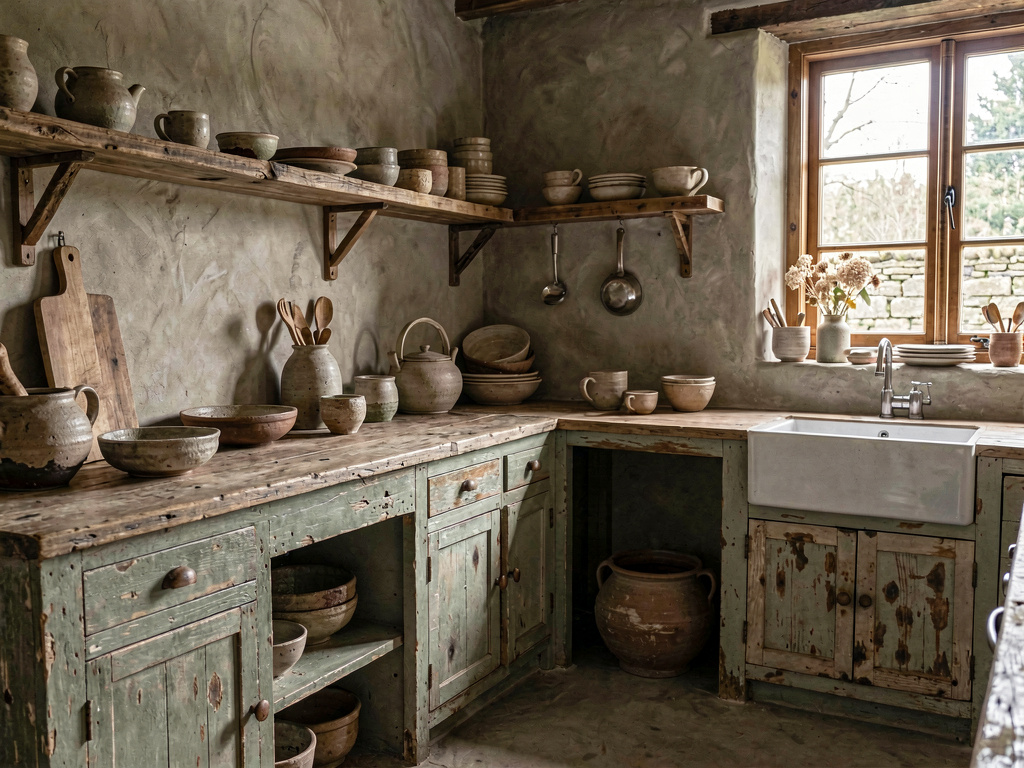
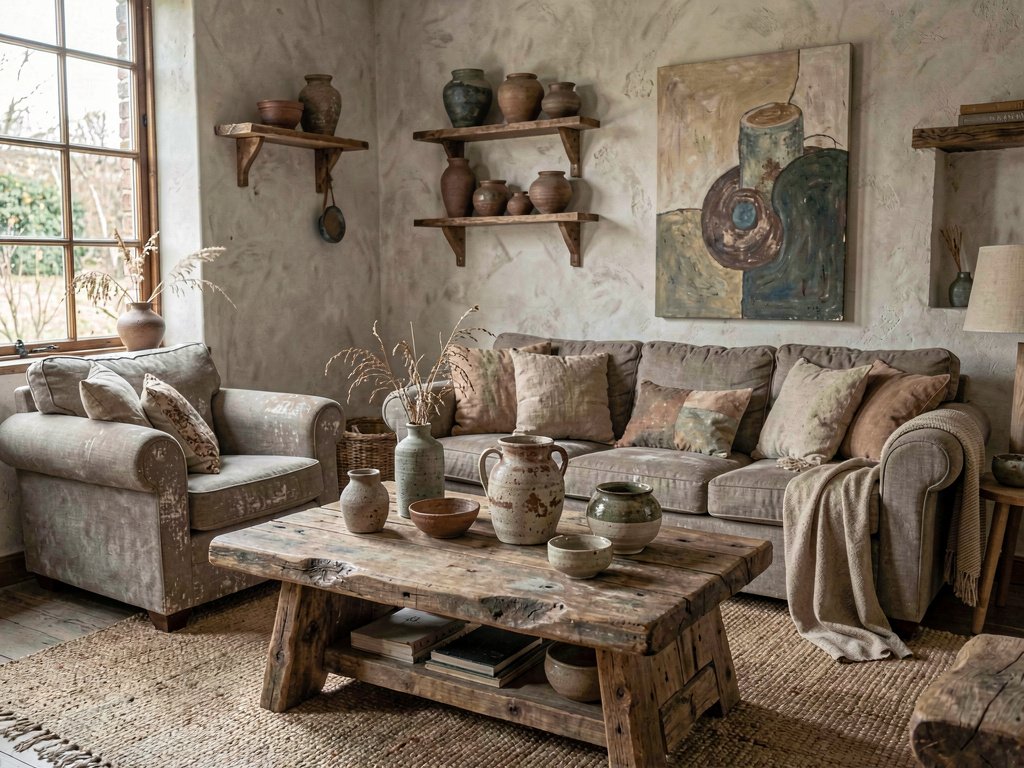
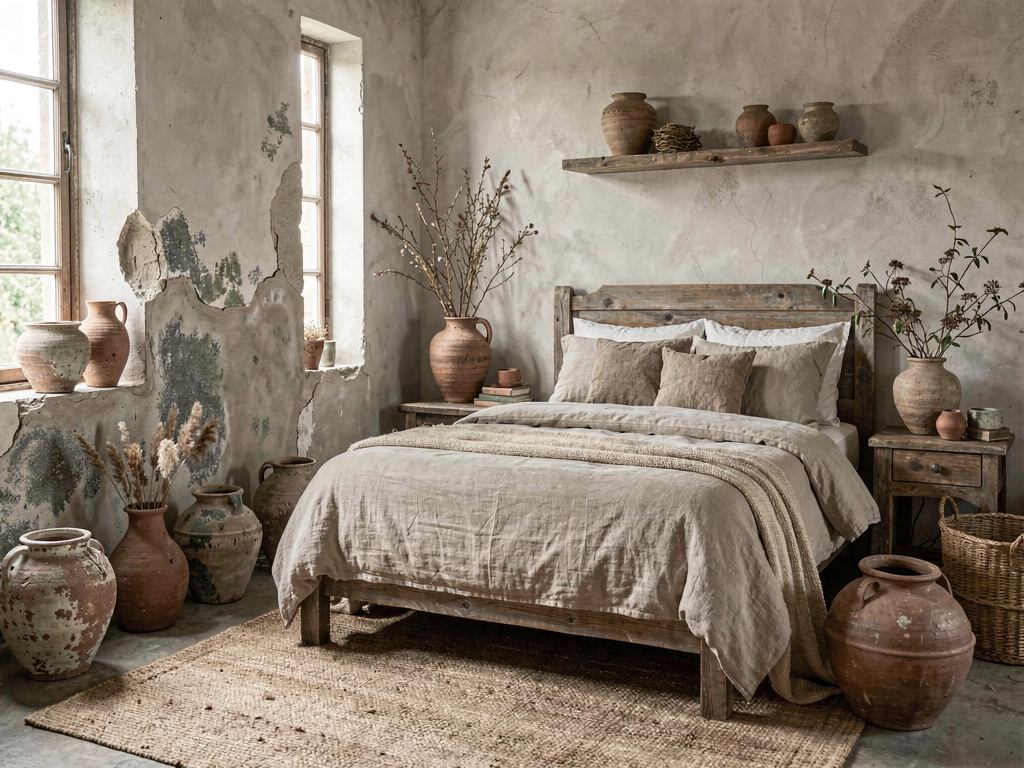
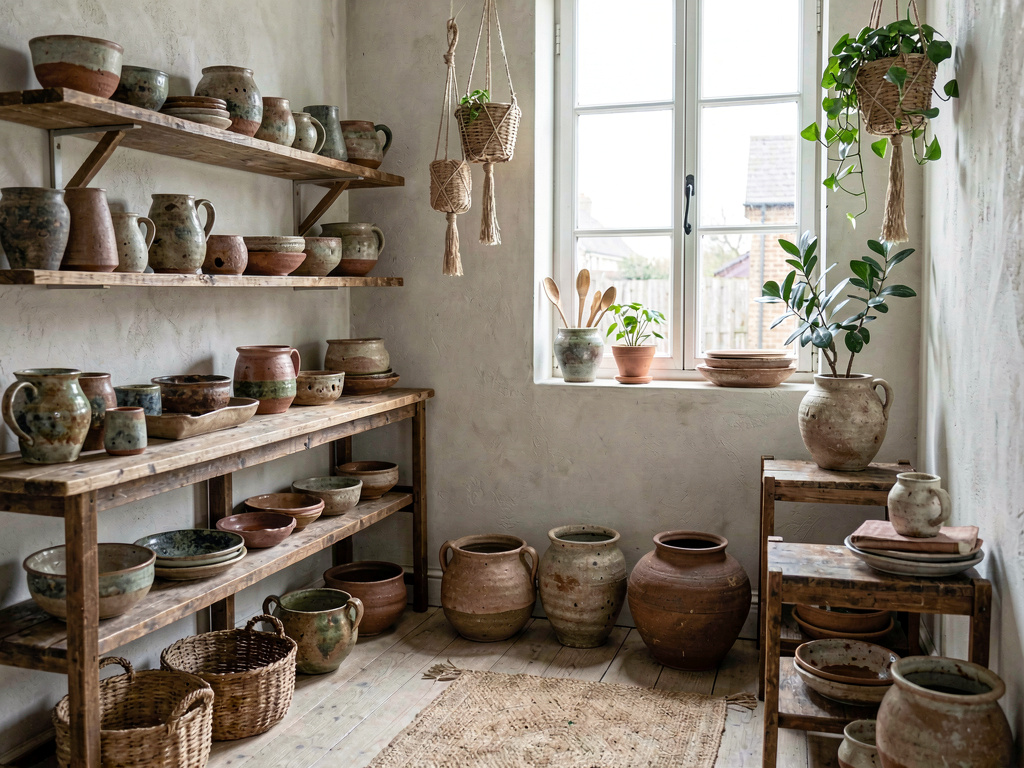
Wabi-Sabi design in other rooms
Other bathroom styles
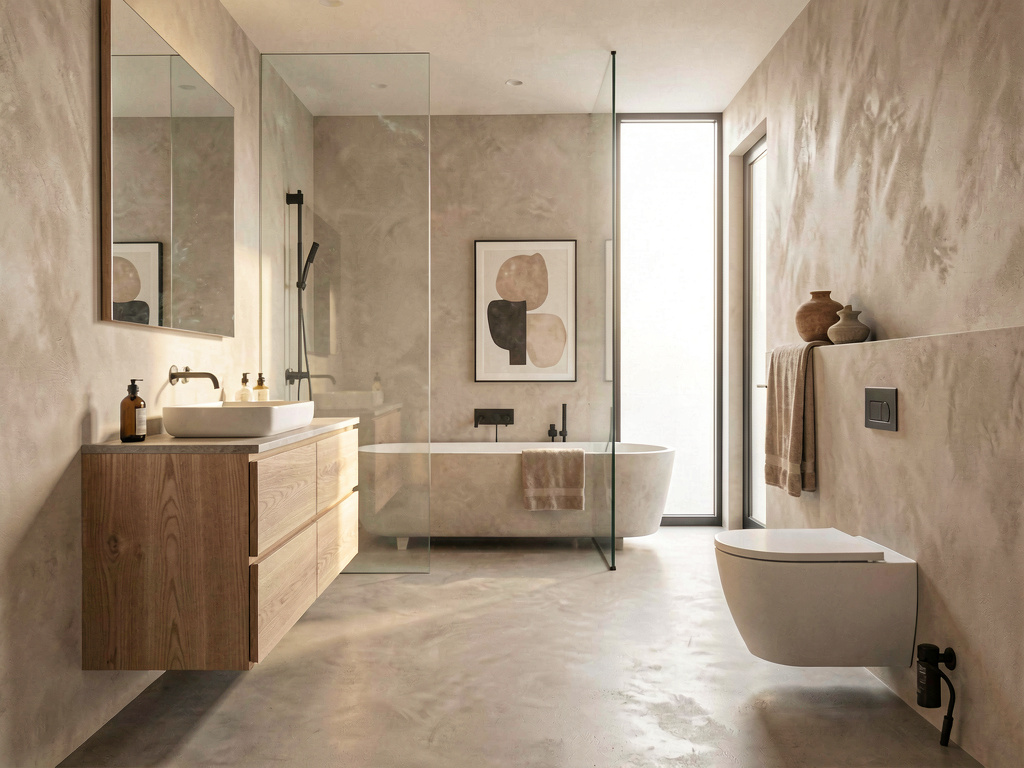
Modern Bathroom
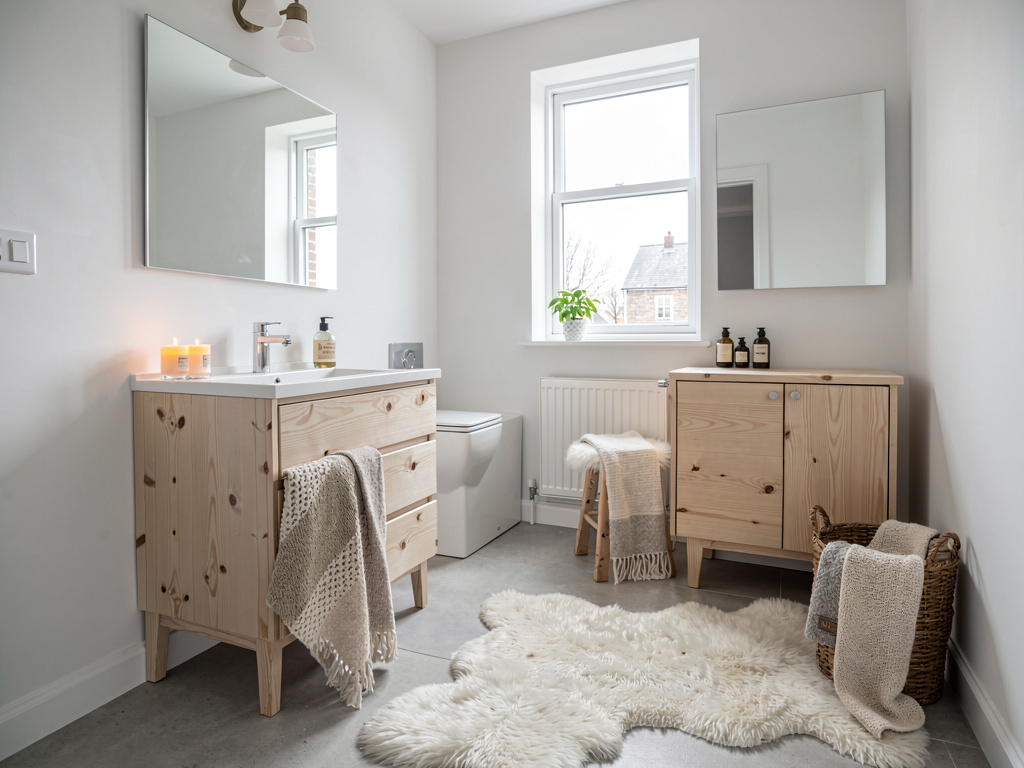
Scandinavian Bathroom
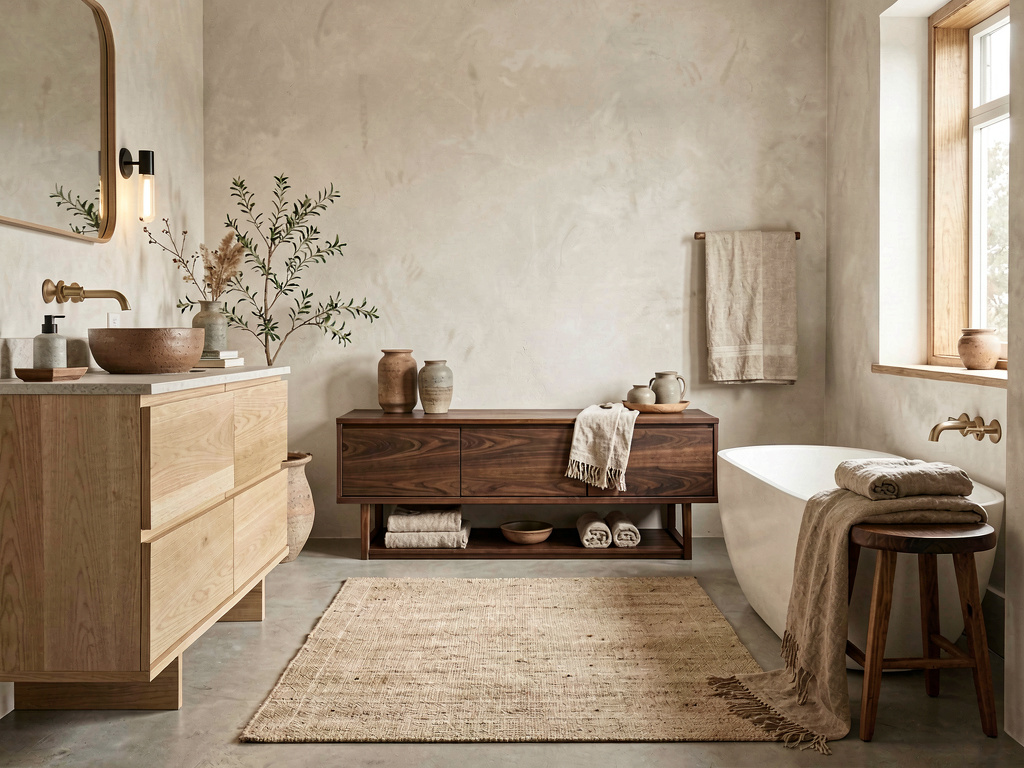
Japandi Bathroom
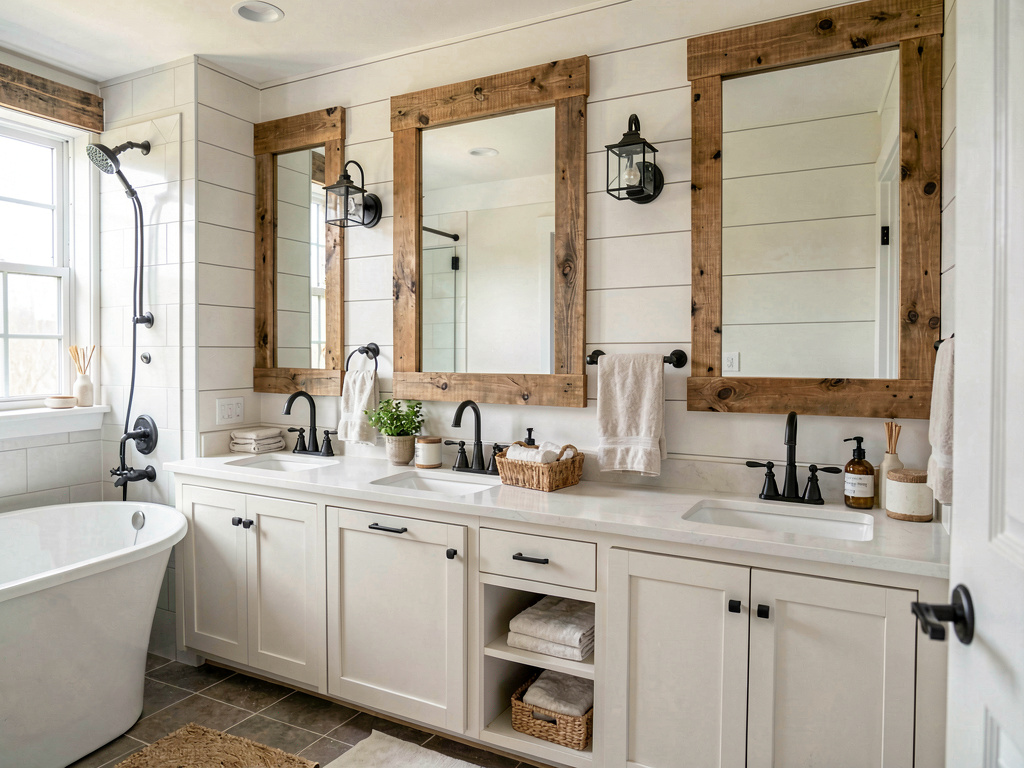
Farmhouse Bathroom
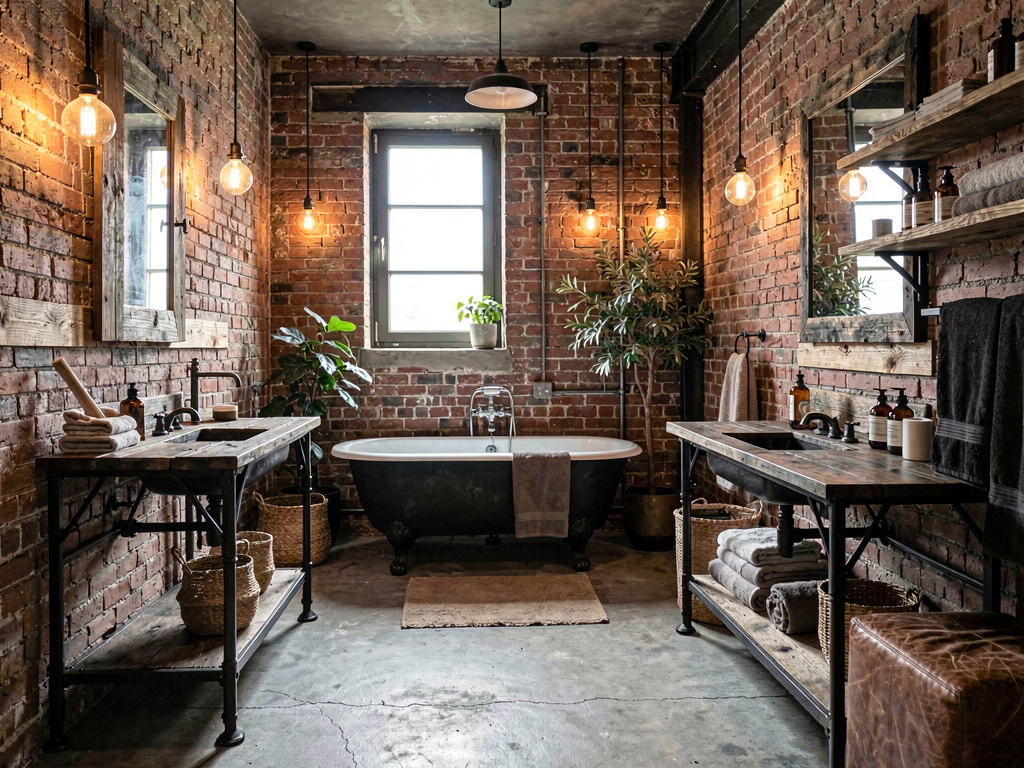
Industrial Bathroom
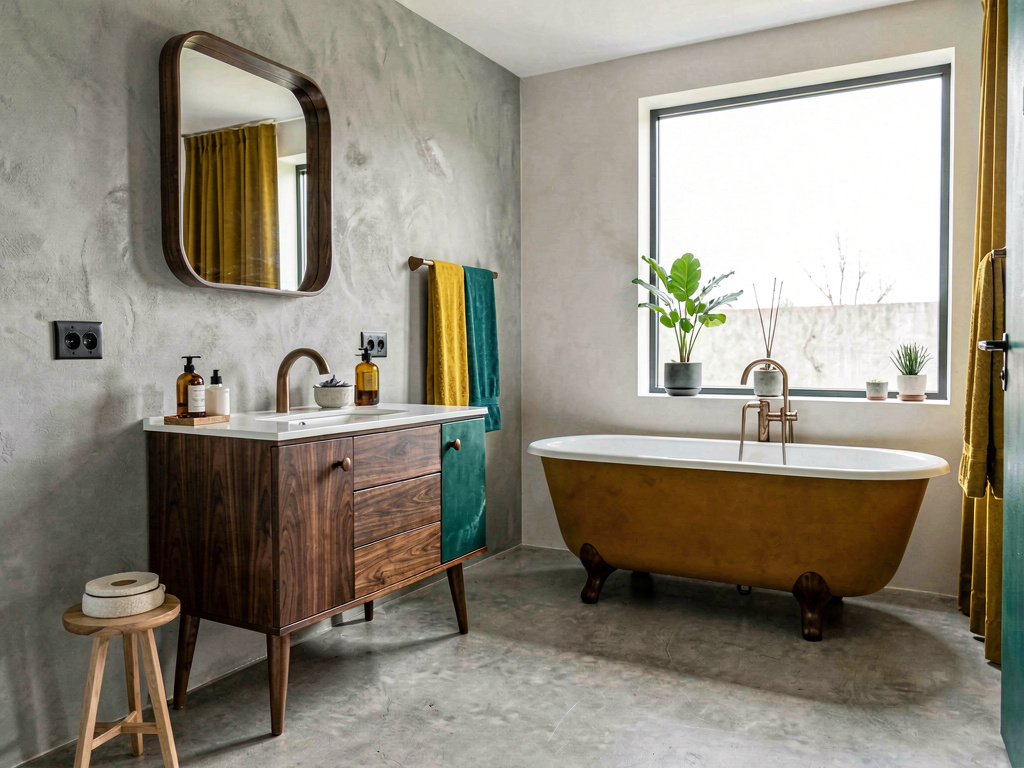
Mid-Century Modern Bathroom
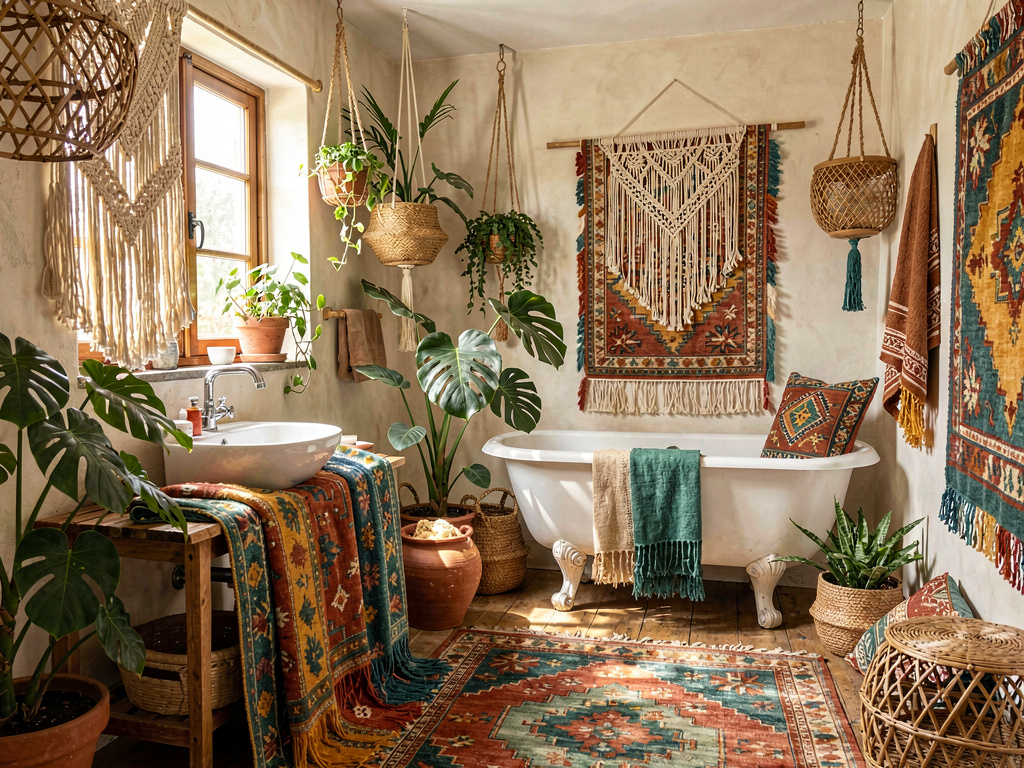
Bohemian Bathroom
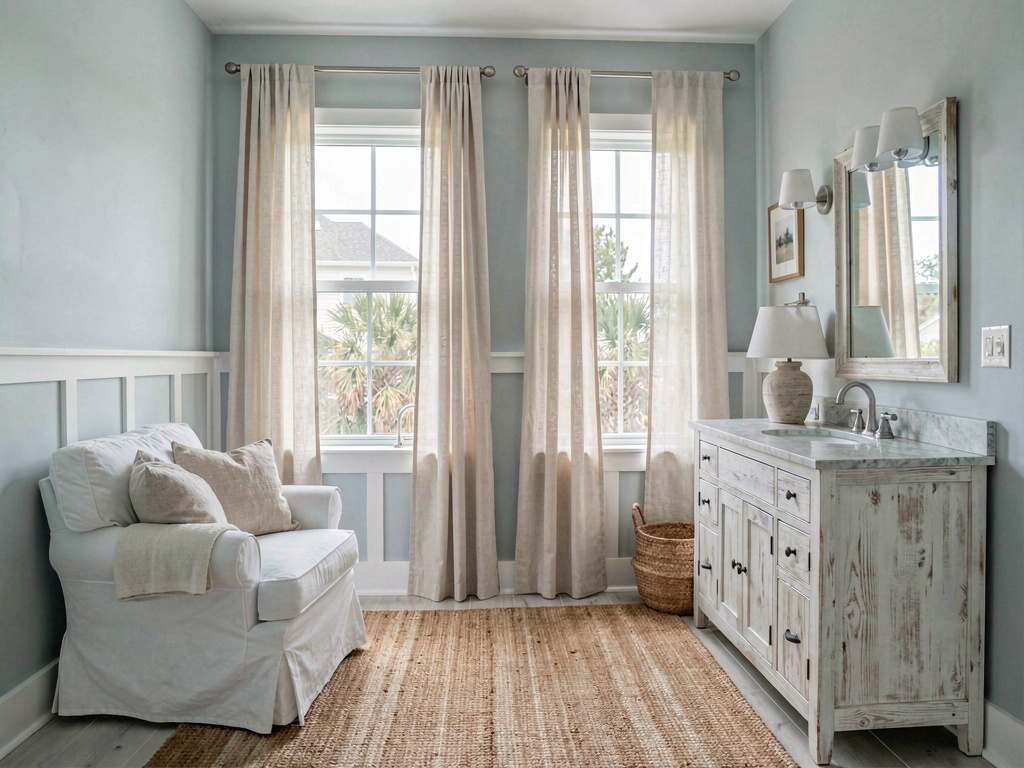
Coastal Bathroom
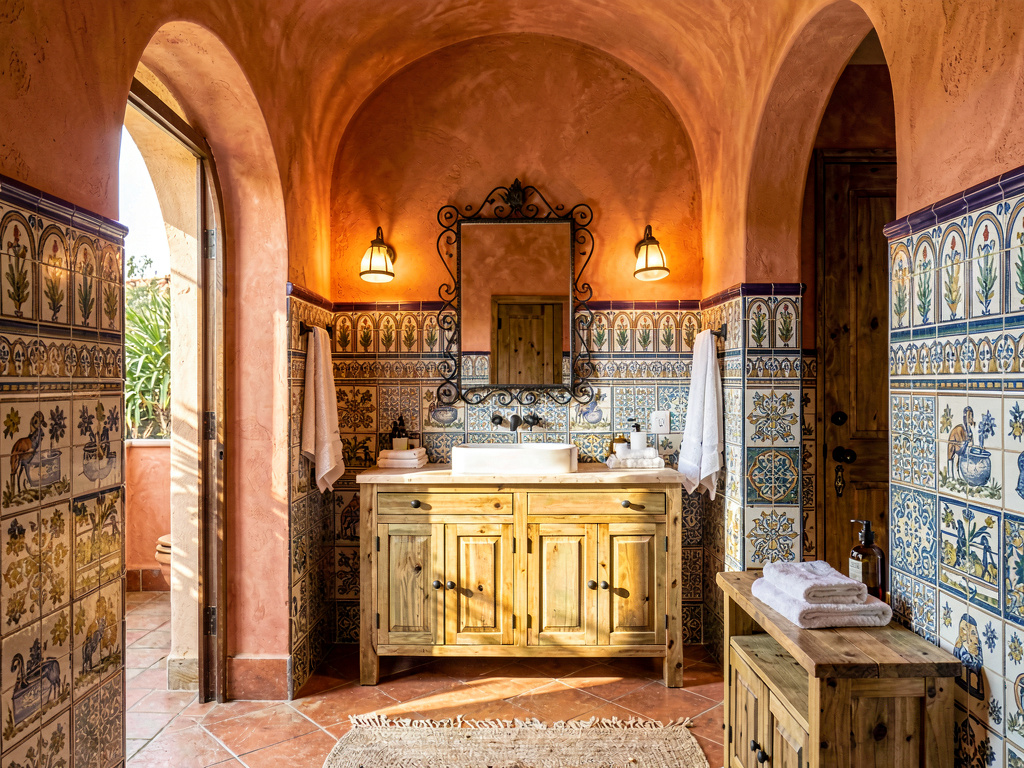
Mediterranean Bathroom
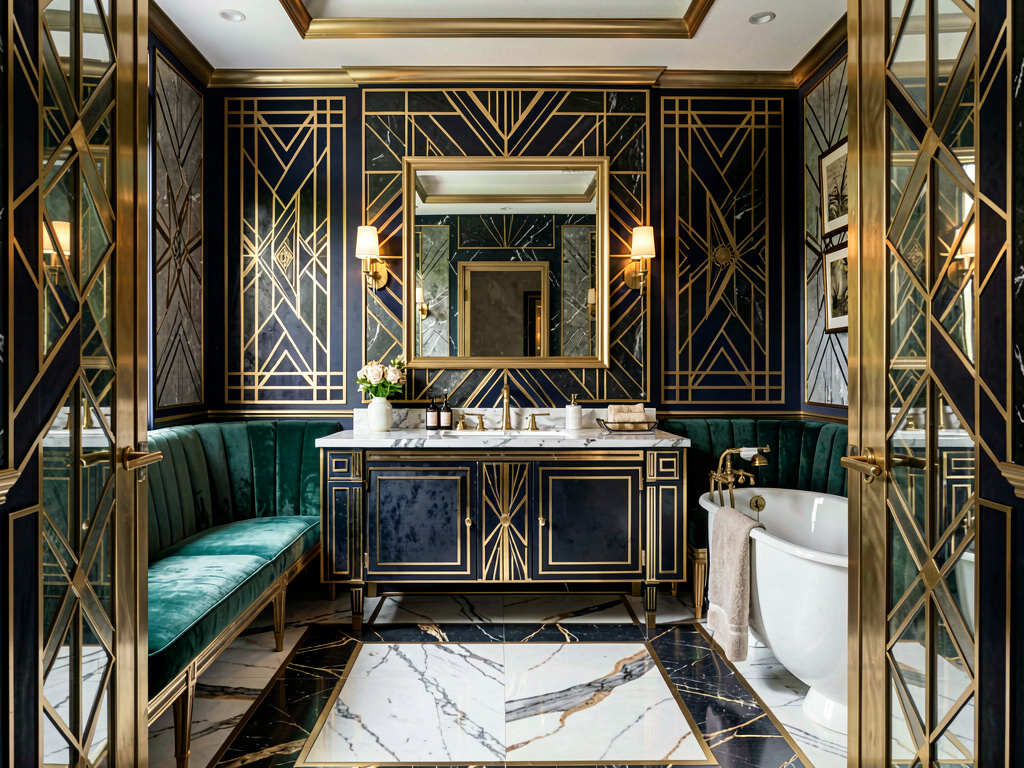
Art Deco Bathroom
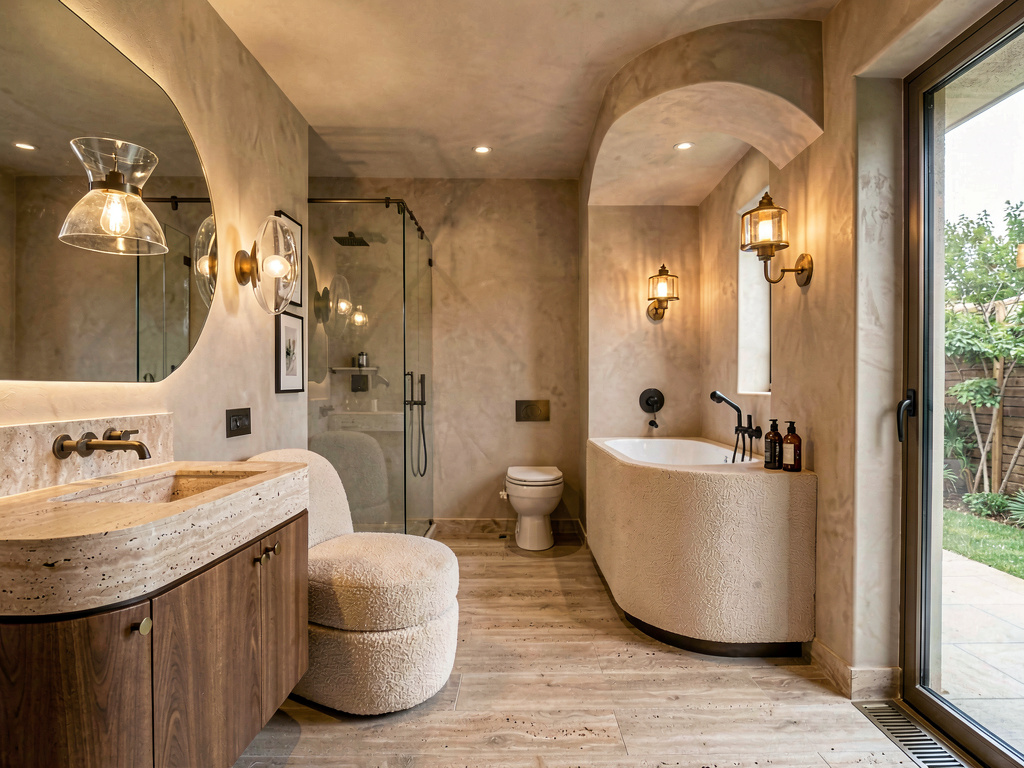
Contemporary Bathroom
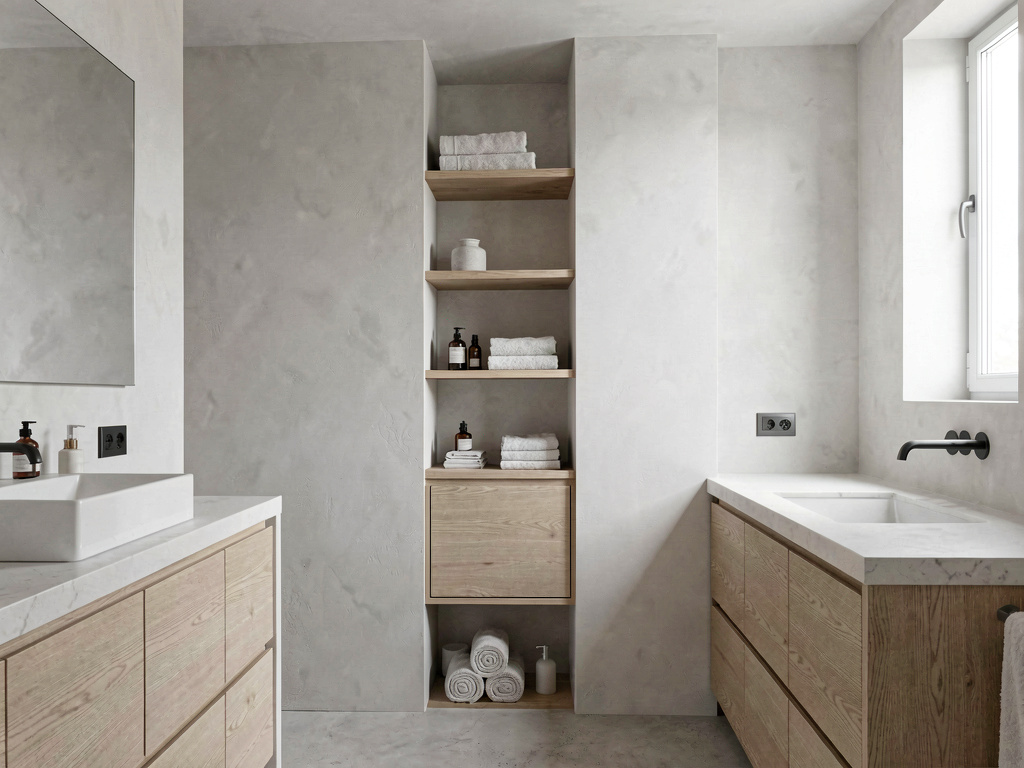
Minimalist Bathroom
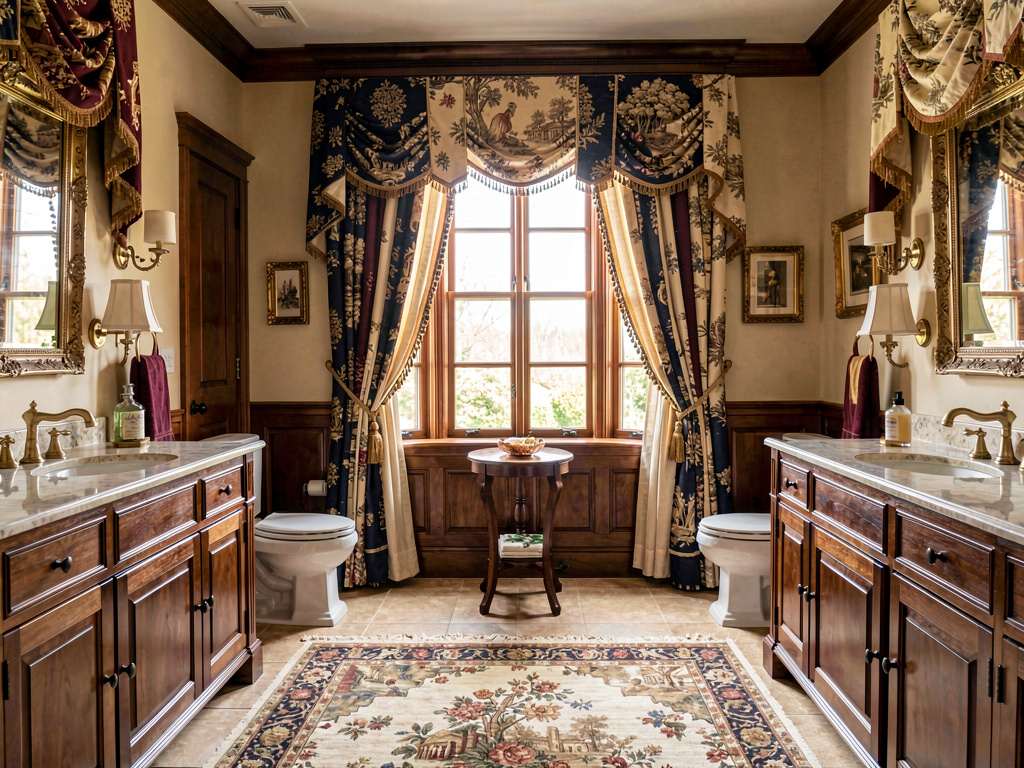
Traditional Bathroom
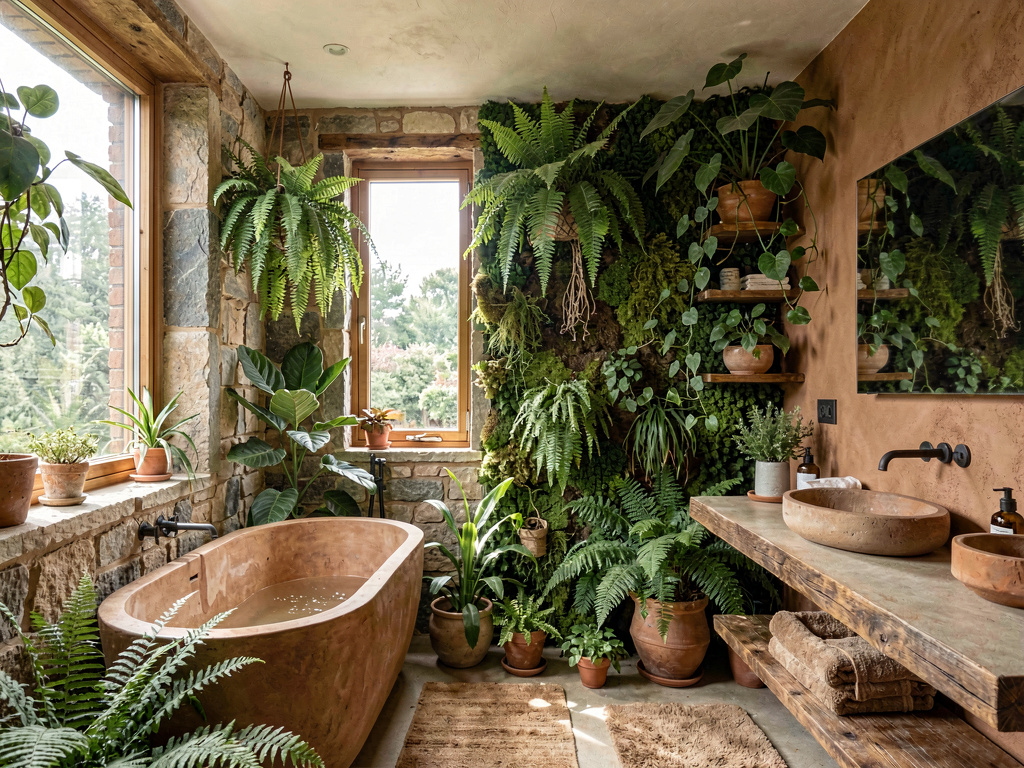
Biophilic Bathroom
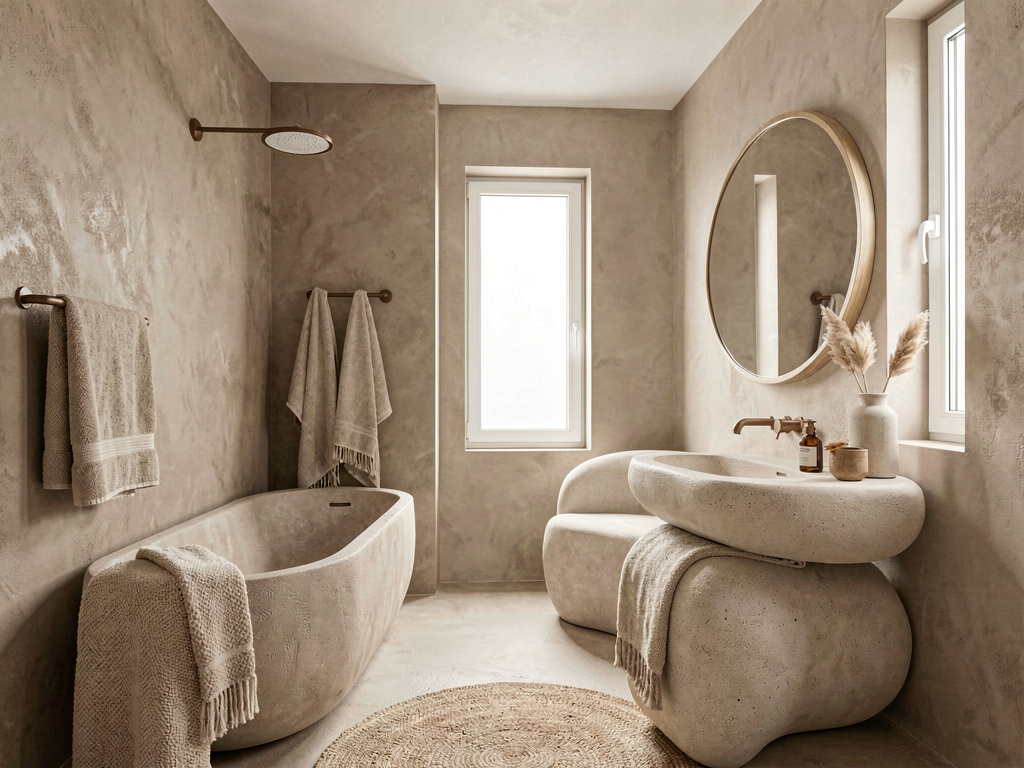
Warm Minimalism Bathroom
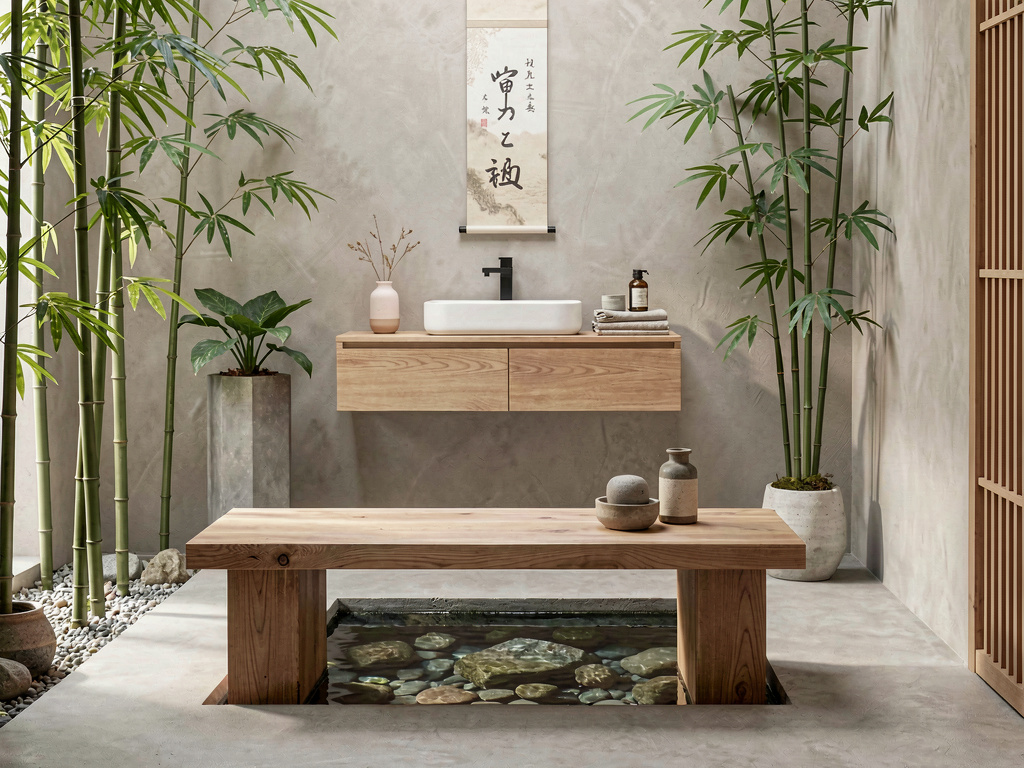
Zen Bathroom
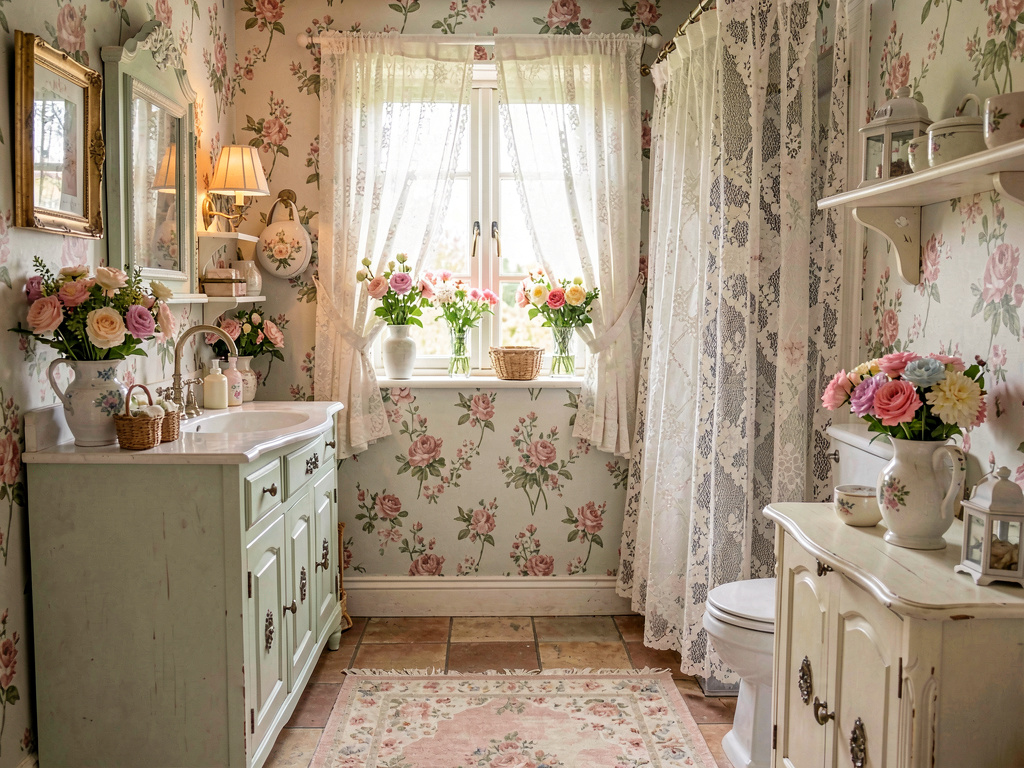
Cottagecore Bathroom
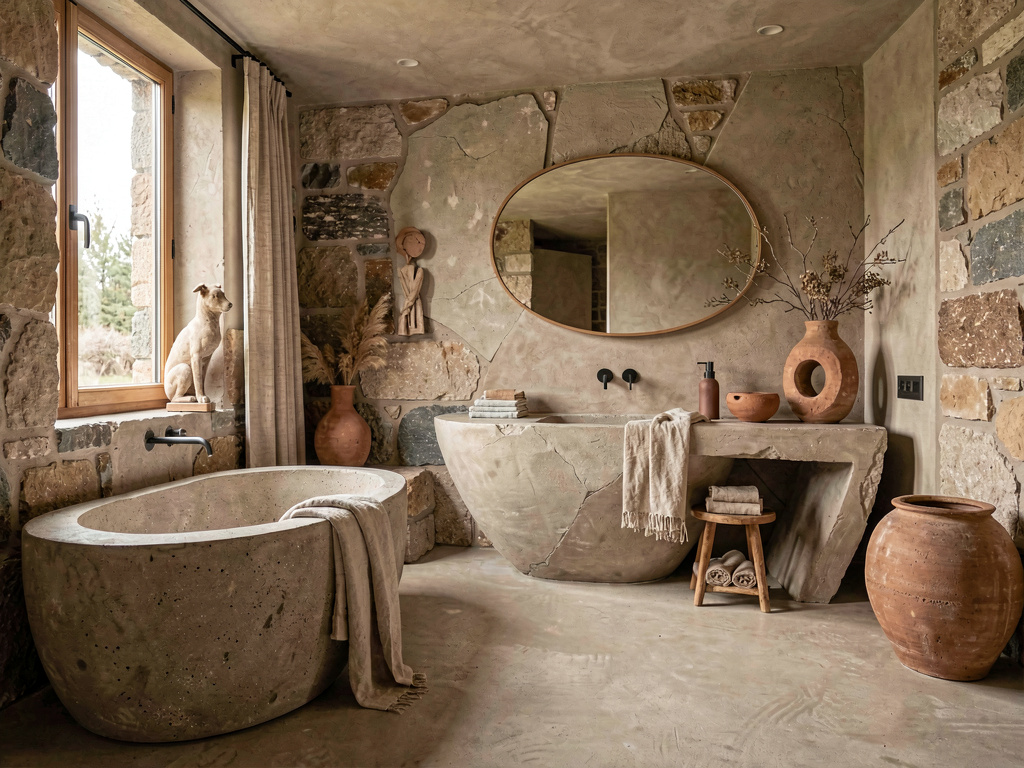
Organic Modern Bathroom
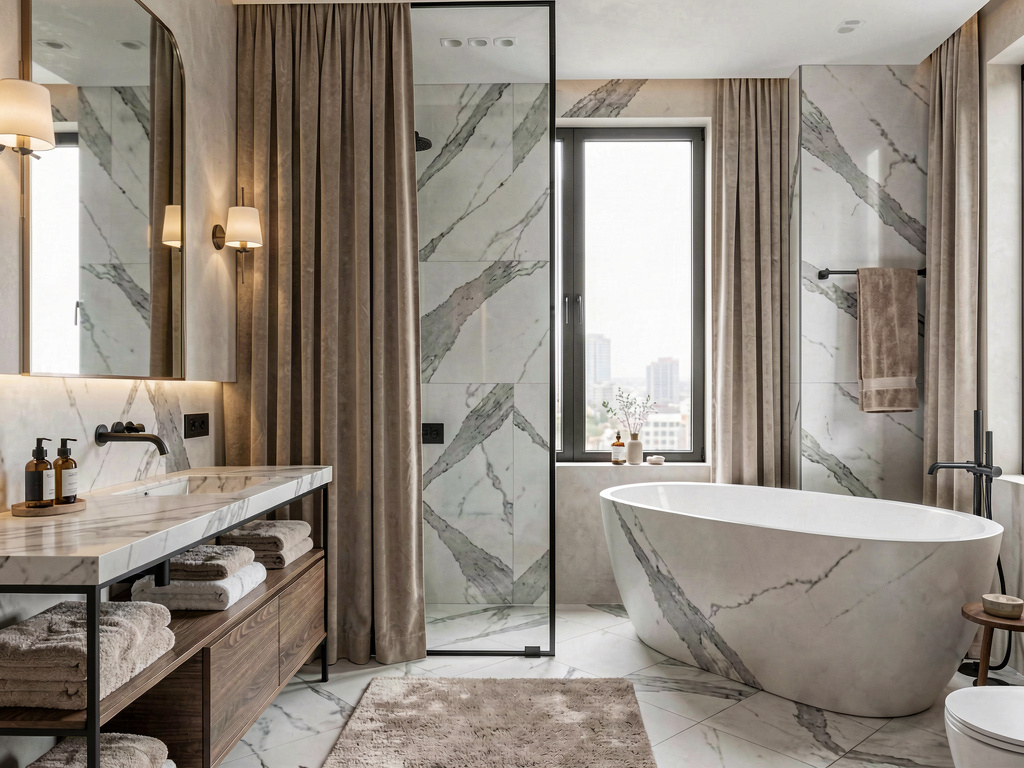
Quiet Luxury Bathroom
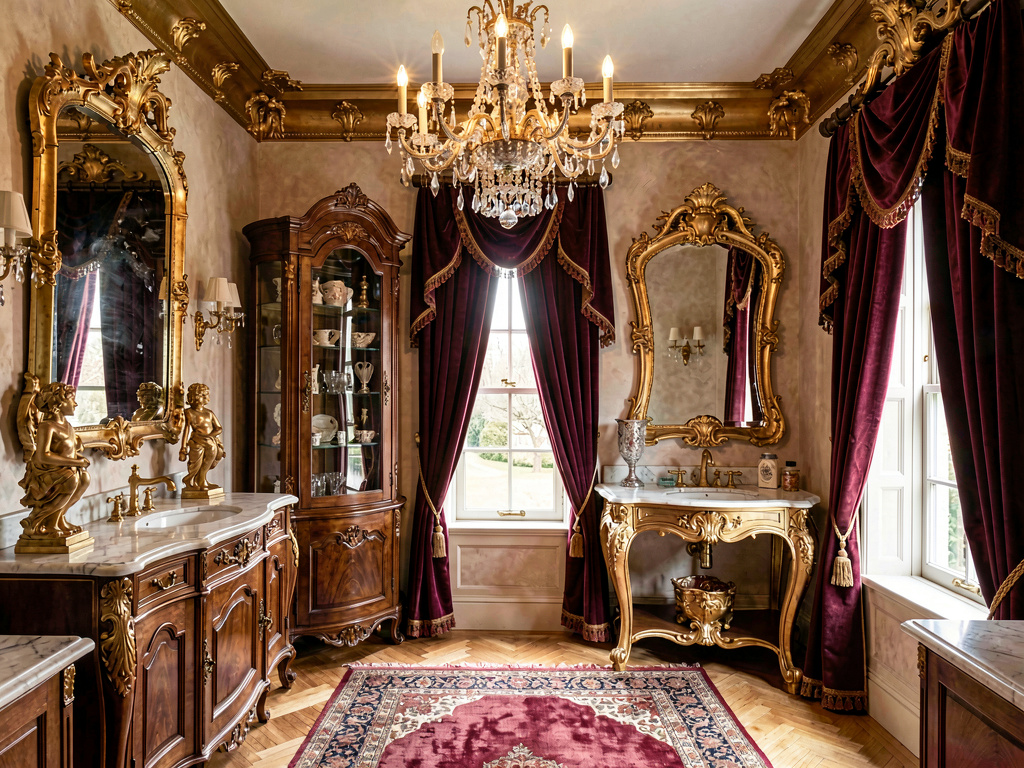
Baroque Bathroom
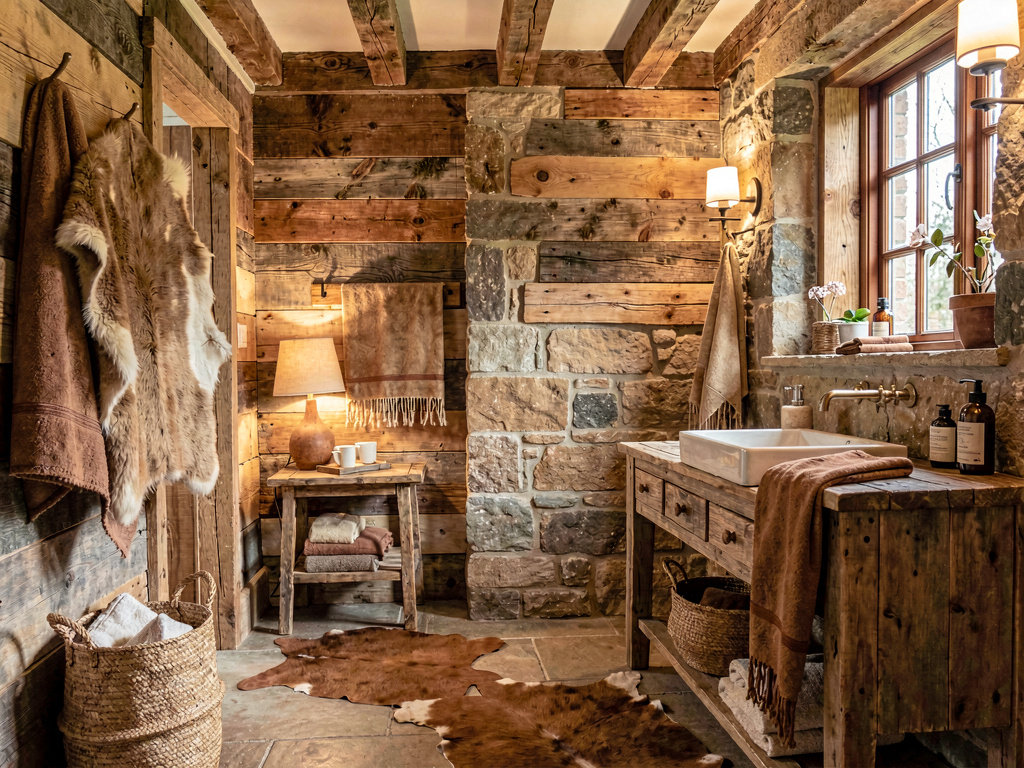
Rustic Bathroom
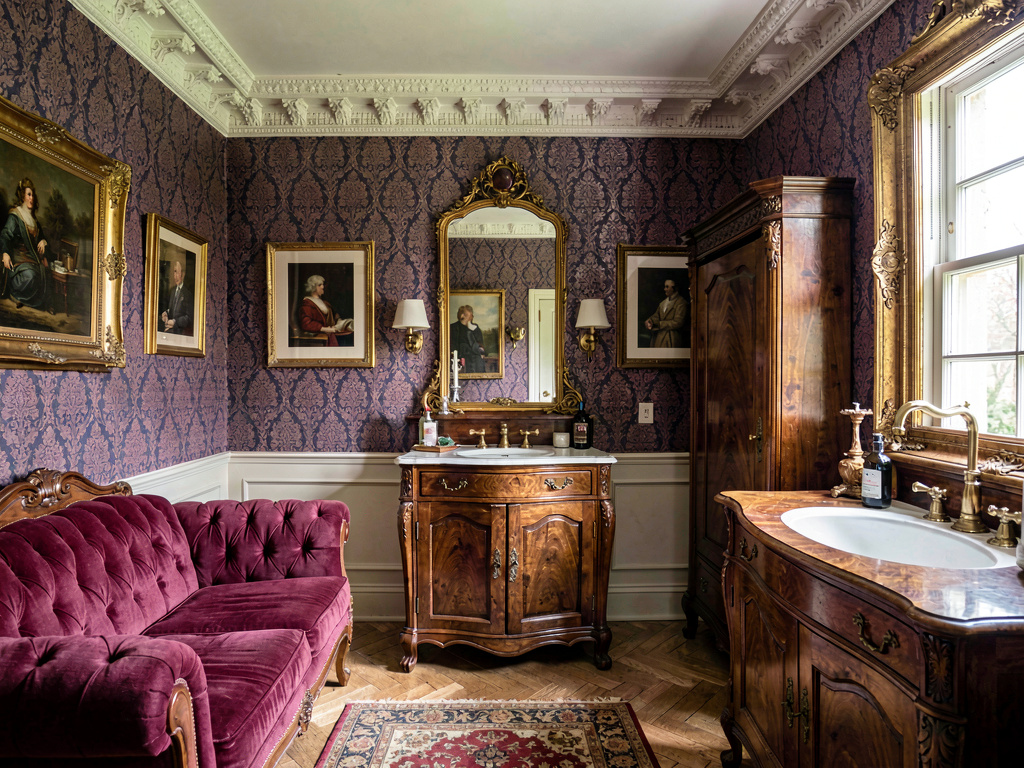
Victorian Bathroom
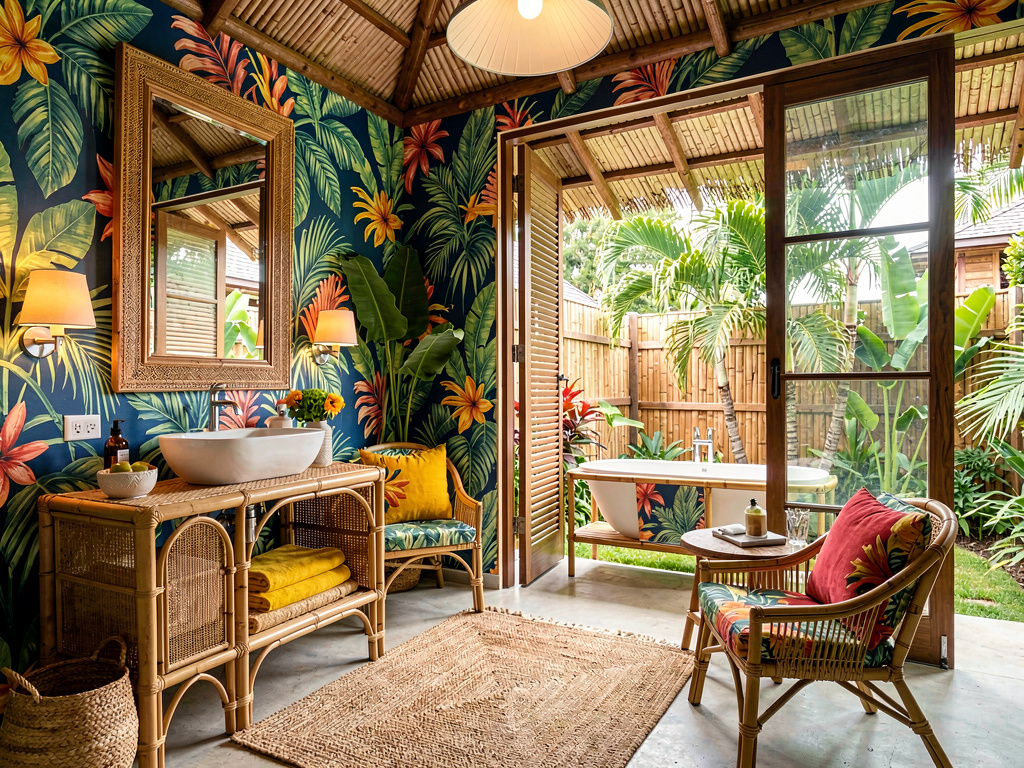
Tropical Bathroom
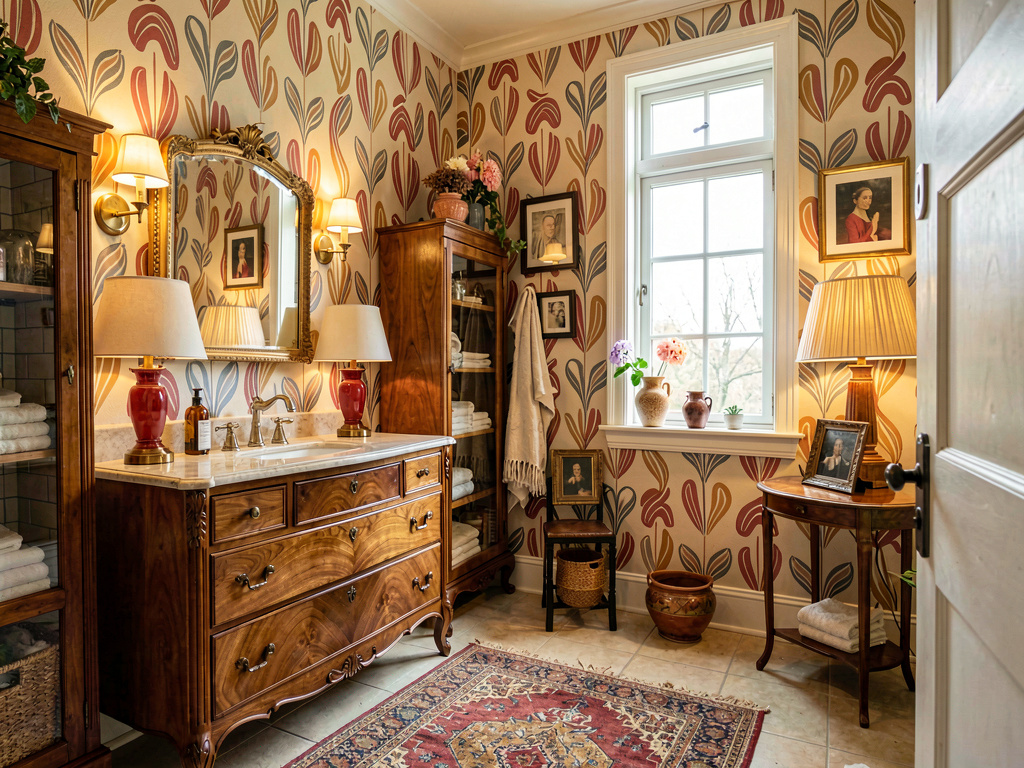
Vintage Bathroom
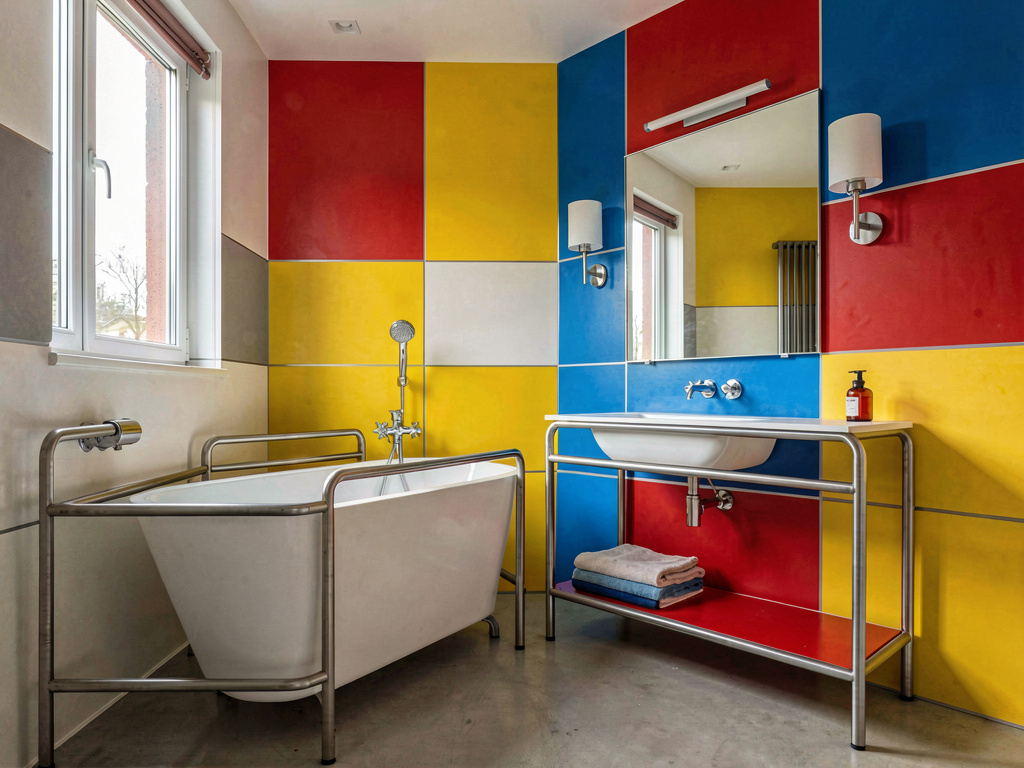
Bauhaus Bathroom
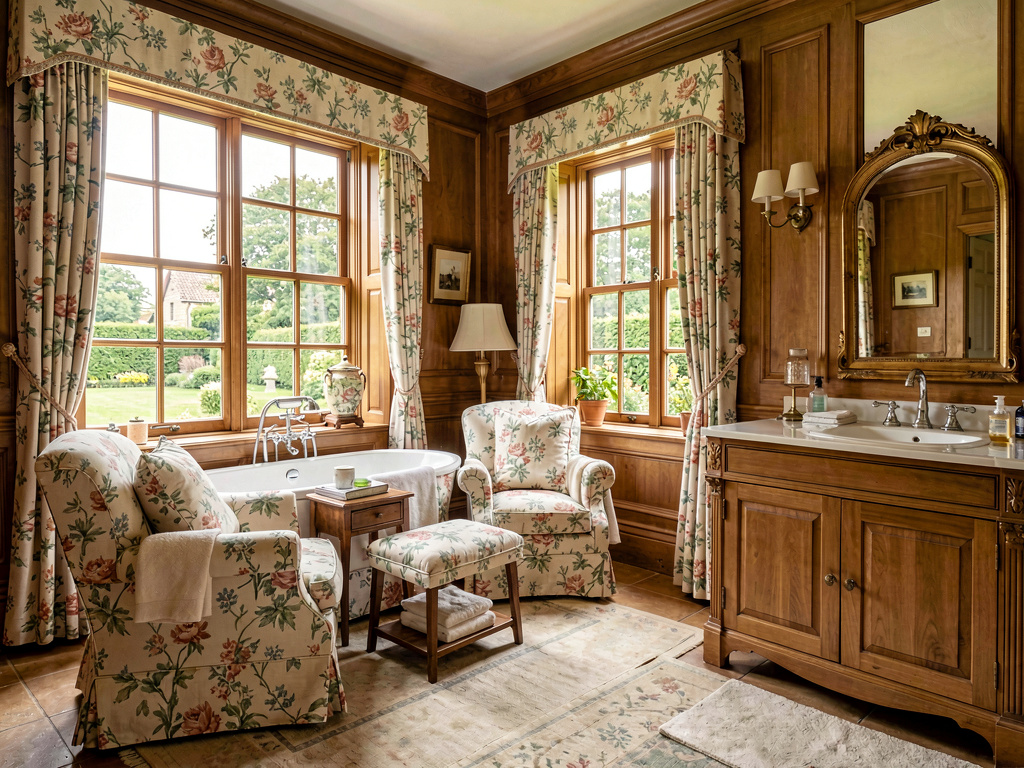
Country House Bathroom
Your next renovation starts
with a photo
Upload a room. See it transformed. 3 free designs, no credit card.

