Minimalism Interior Design Ideas
Less is more. Monochromatic palette, clean surfaces, intentional simplicity.
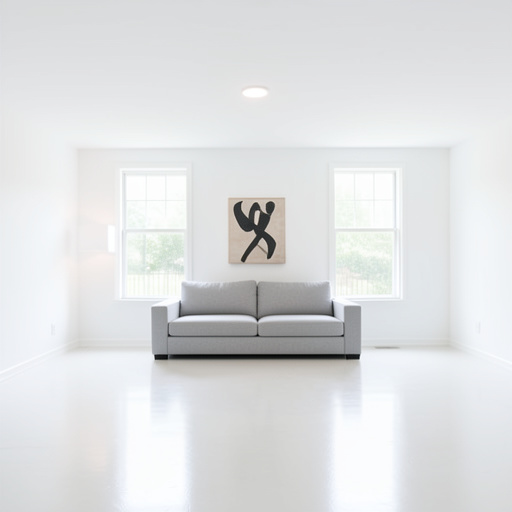
Minimalism in interior design is often misunderstood as 'empty.' It's not. It's the practice of reducing a room to only what's necessary and making those remaining elements as good as they can be. A minimalist bedroom has a bed, a nightstand, a lamp, and maybe a plant. But the bed frame is beautifully made. The linen is high quality. The lamp is a considered choice, not an afterthought. Minimalism originated in post-World War II Japanese and Western art movements, heavily influenced by traditional Japanese architecture and Zen Buddhism. It entered interior design through architects like Tadao Ando and John Pawson in the 1980s and 90s. The core principle: every element must earn its place. If it doesn't serve a function or bring you genuine satisfaction to look at, it goes. The paradox of minimalism: fewer objects means you can invest more in each one, and that quality becomes visible when nothing else competes for attention.
Minimalism design in every room
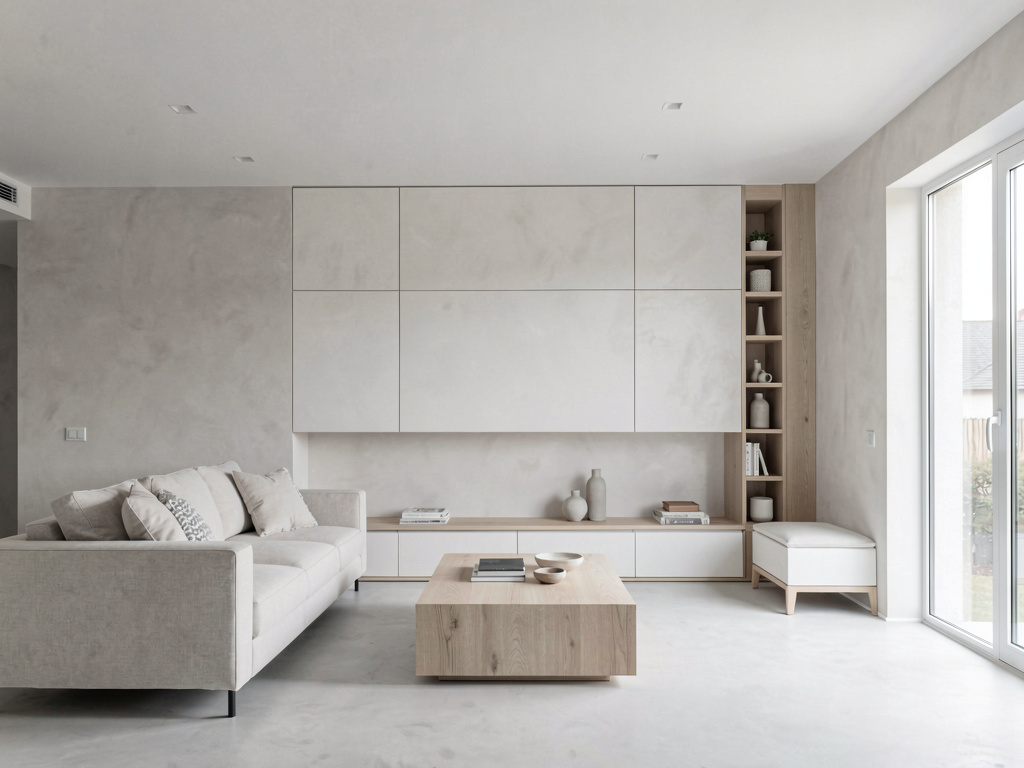
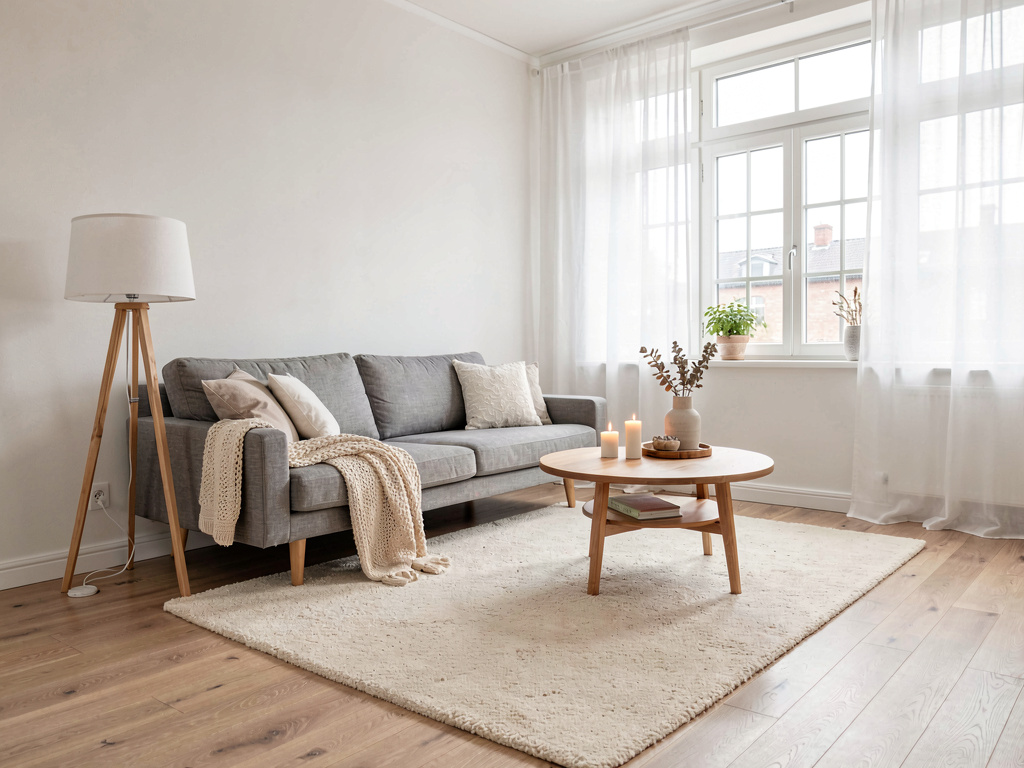
Minimalism living room
One quality sofa, one coffee table, one lamp. The walls are bare except for one piece of art. The rug is a single neutral tone. The room is all breathing room.
View design ideas →
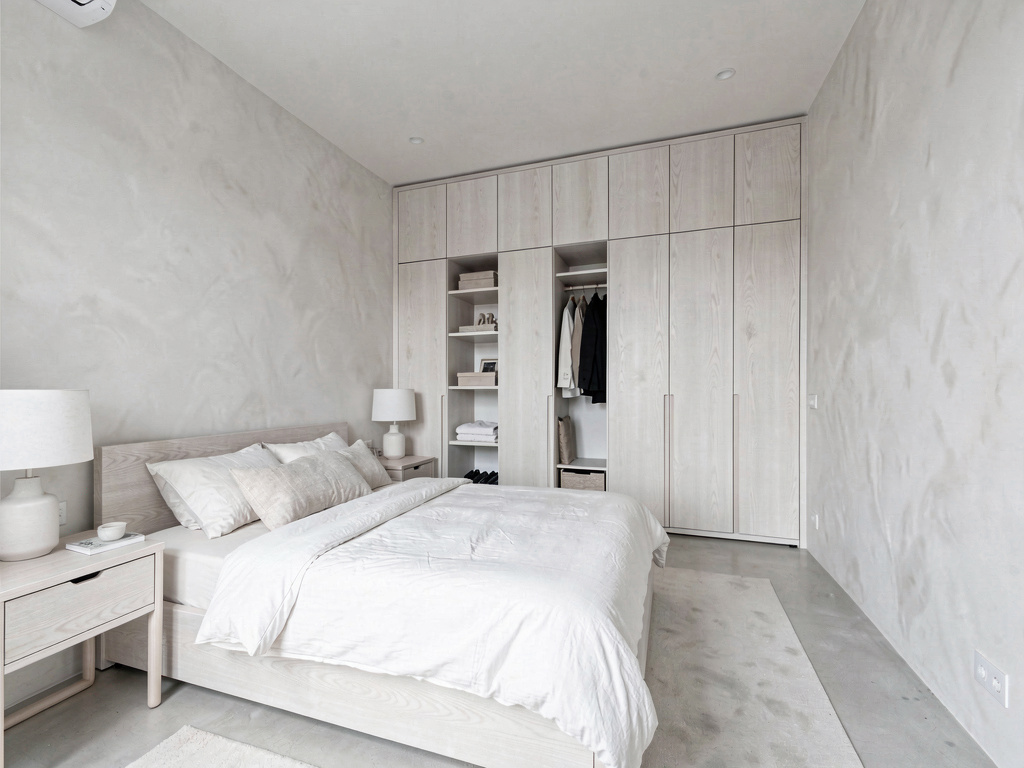
Minimalism bedroom
A platform bed with white linen, one nightstand with one lamp, and nothing else visible. Storage is hidden. Surfaces are clear. The room exists for rest.
View design ideas →
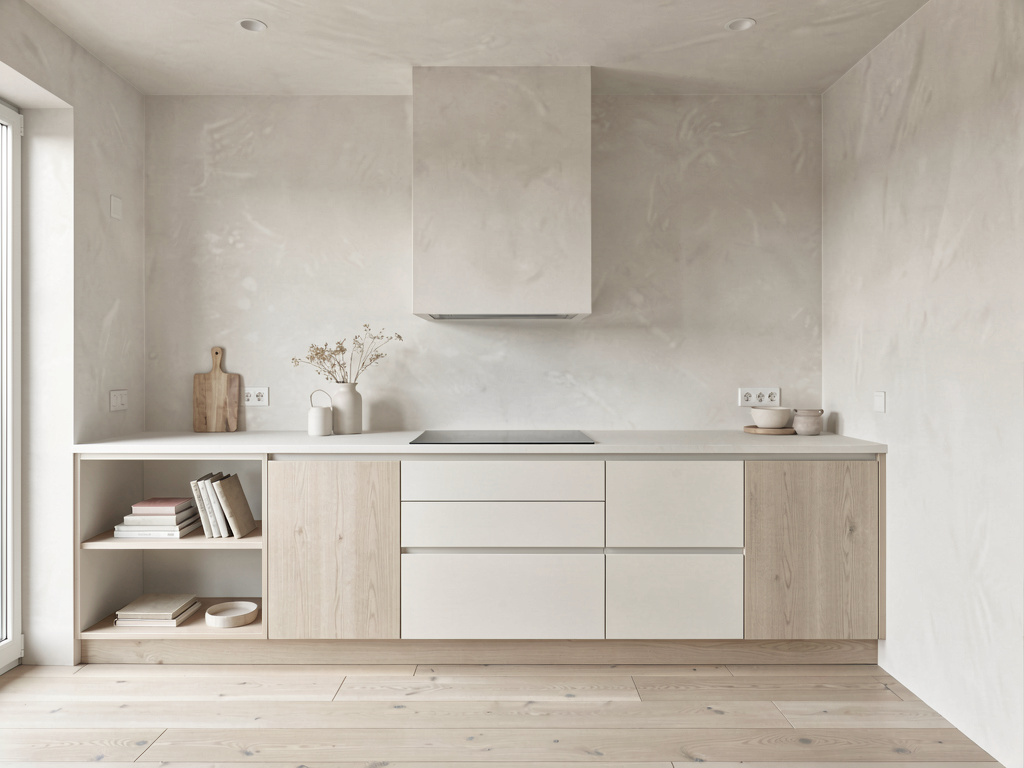
Minimalism kitchen
Handleless cabinets in one continuous finish, completely bare countertops, and a single material running from counter to backsplash. The kitchen disappears when not in use.
View design ideas →
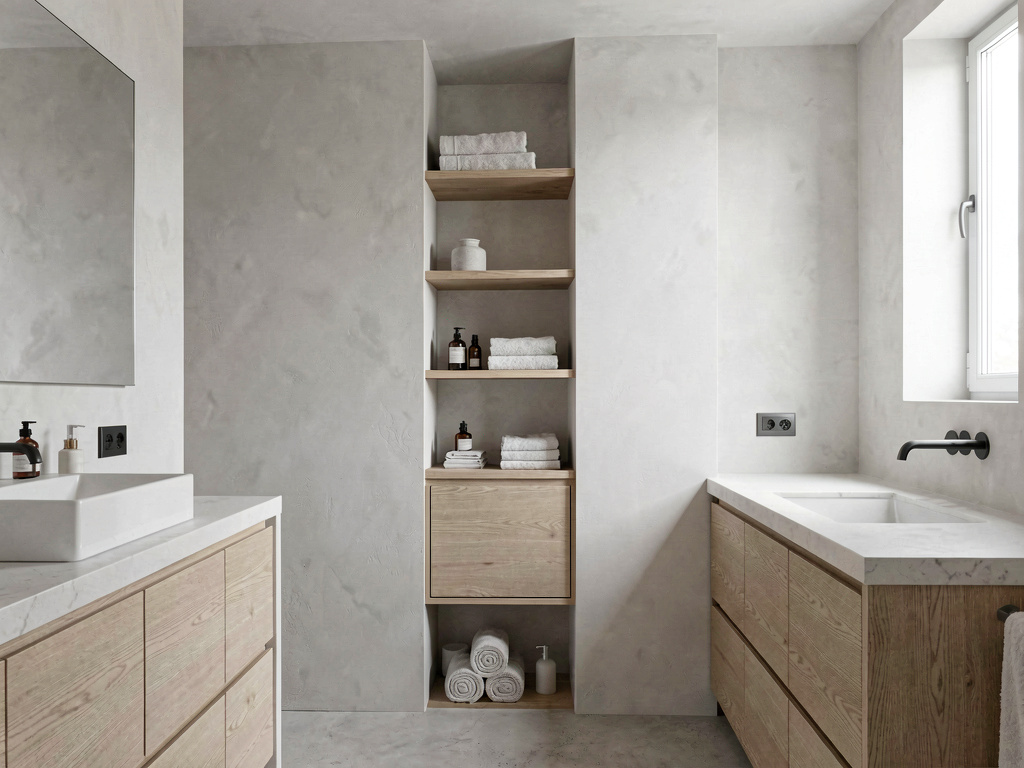
Minimalism bathroom
Wall-mounted vanity with hidden storage, a frameless mirror with integrated lighting, and one continuous tile surface. Nothing to clean around.
View design ideas →
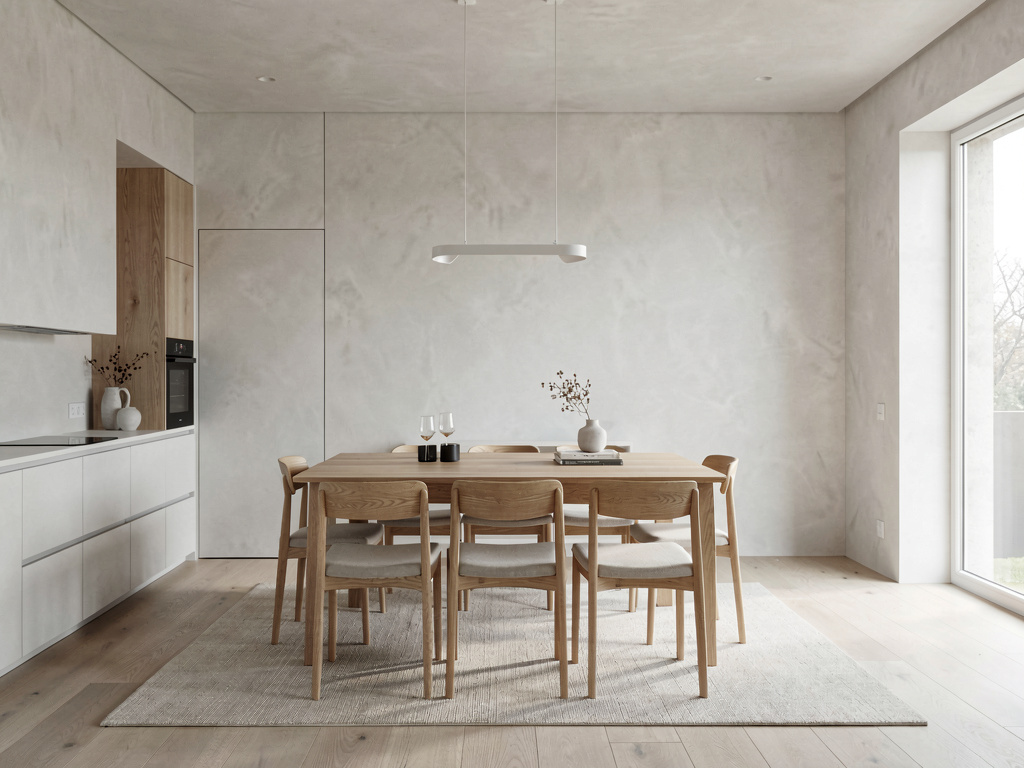
Minimalism dining room
A simple table with four chairs and one pendant light. No centerpiece, no runner, no sideboard. The meal and the company are the only decoration.
View design ideas →
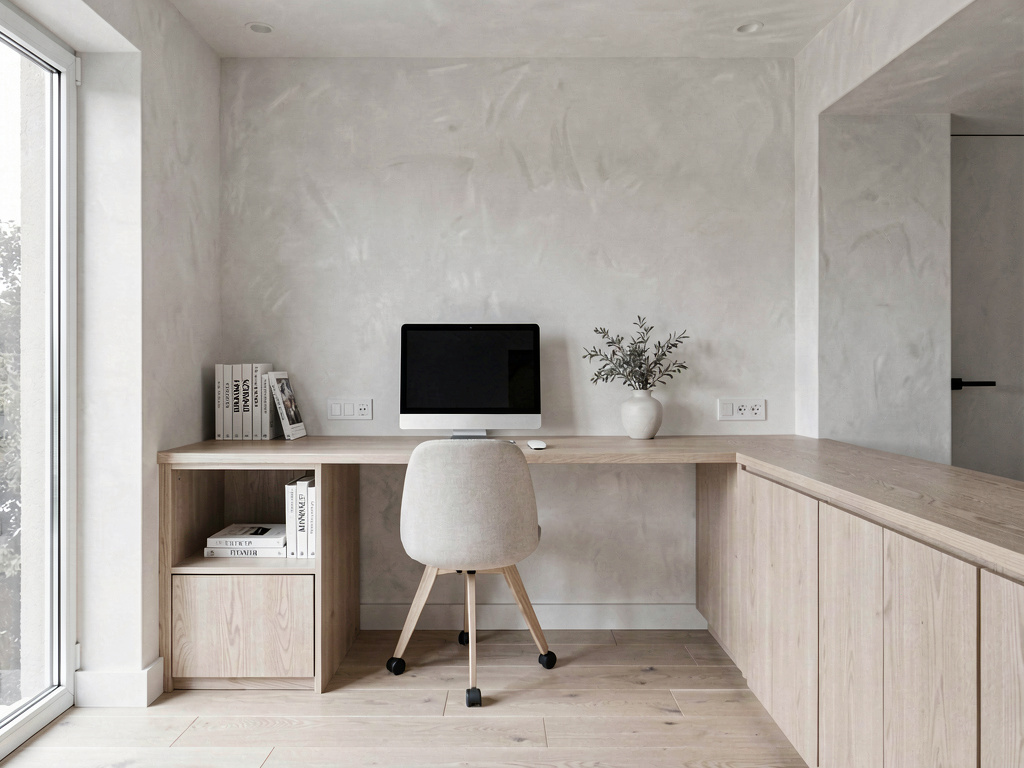
Minimalism home office
A floating desk mounted to the wall, one drawer for supplies, and a single monitor. The desk surface is empty when work is done. Focus by design.
View design ideas →
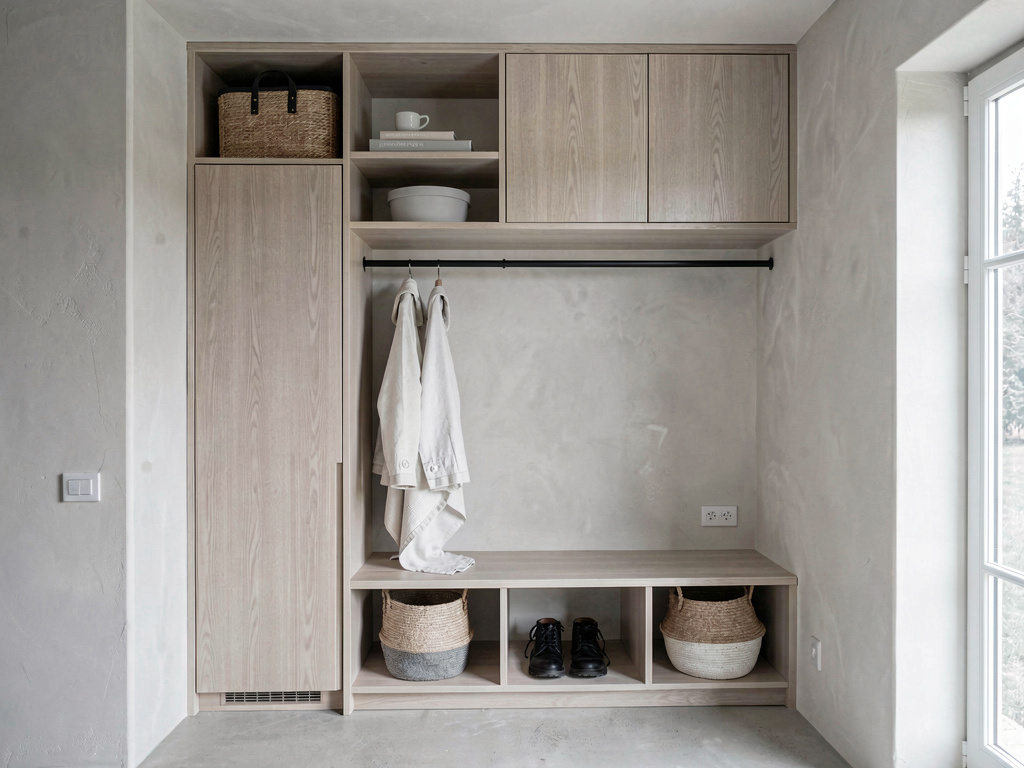
Minimalism entryway
A single floating shelf, three flush-mounted hooks, and a hidden shoe closet. From the outside, the entryway looks like a wall with a door.
View design ideas →
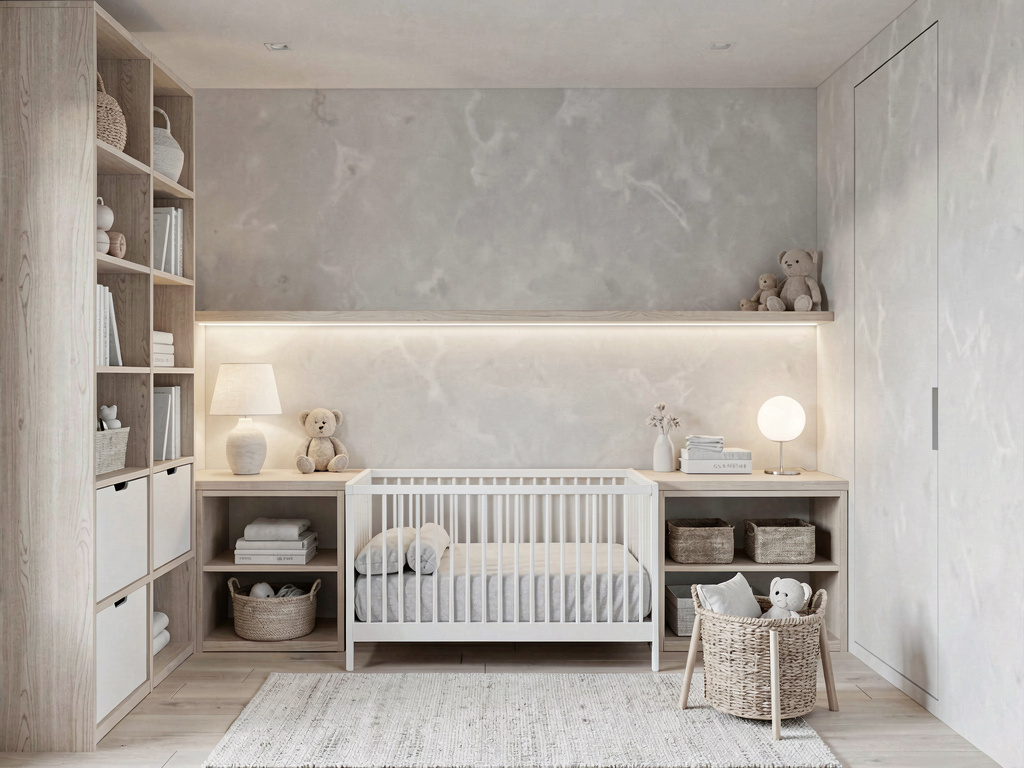
Minimalism nursery
A simple white crib, one pendant light, and built-in storage behind closed doors. The nursery proves that babies need less stuff, not more.
View design ideas →
Key characteristics of minimalism design
- Monochromatic or very limited color palette
- Clean, uncluttered surfaces
- Hidden storage to maintain clean lines
- Quality over quantity in every piece
- Generous negative space as a design element
Common materials
How much does a minimalism makeover cost?
$3,000 – $20,000
Typical living room makeover
Minimalism has a paradox: fewer pieces means you can afford better ones, but each piece is more visible so quality matters more. A cheap sofa in a minimalist room looks cheap. In a maximalist room it disappears into the layers. Budget for fewer, better items. A quality minimalist living room (sofa, coffee table, rug, lamp, art) can run $3,000-$8,000 from mid-range brands. The biggest savings come from what you don't buy.
See your room remodeled with minimalism style — AI does it in seconds
Upload a photo and get your room remodeled with AI in minimalism style — takes about 10 seconds, no design skills needed.
Try It FreeFrequently asked questions
How do I keep minimalism from feeling cold?
Warm minimalism solves this. Use warm whites instead of cool whites, add natural wood, choose linen over polyester, and include one or two organic shapes (a round vase, a curved lamp). The key is warm materials and warm lighting — avoid stark white LEDs.
Where do I put all my stuff in a minimalist room?
Hidden storage. Built-in cabinets, drawers under the bed, console tables with doors, and closet organizers. Minimalism doesn't mean owning nothing — it means storing things out of sight. The room surfaces stay clean; the storage does the work.
Is minimalism practical with kids?
It requires effort. Toys, art supplies, and kid clutter work against minimalism. The practical approach is minimalist bones (simple furniture, neutral palette, clean lines) with designated kid zones where mess is allowed. The living room stays minimal; the playroom doesn't have to.
Related styles
Related articles
Your next renovation starts
with a photo
Upload a room. See it transformed. 3 free designs, no credit card.

