Small Living Room Ideas: Make Any Space Feel Bigger
15K monthly searches for small living room ideas — here are 10 layouts, color tricks, and furniture picks that make tiny rooms feel twice their size.

Ryan H.
Founder of Remodel AI · March 25, 2026 · 10 min read
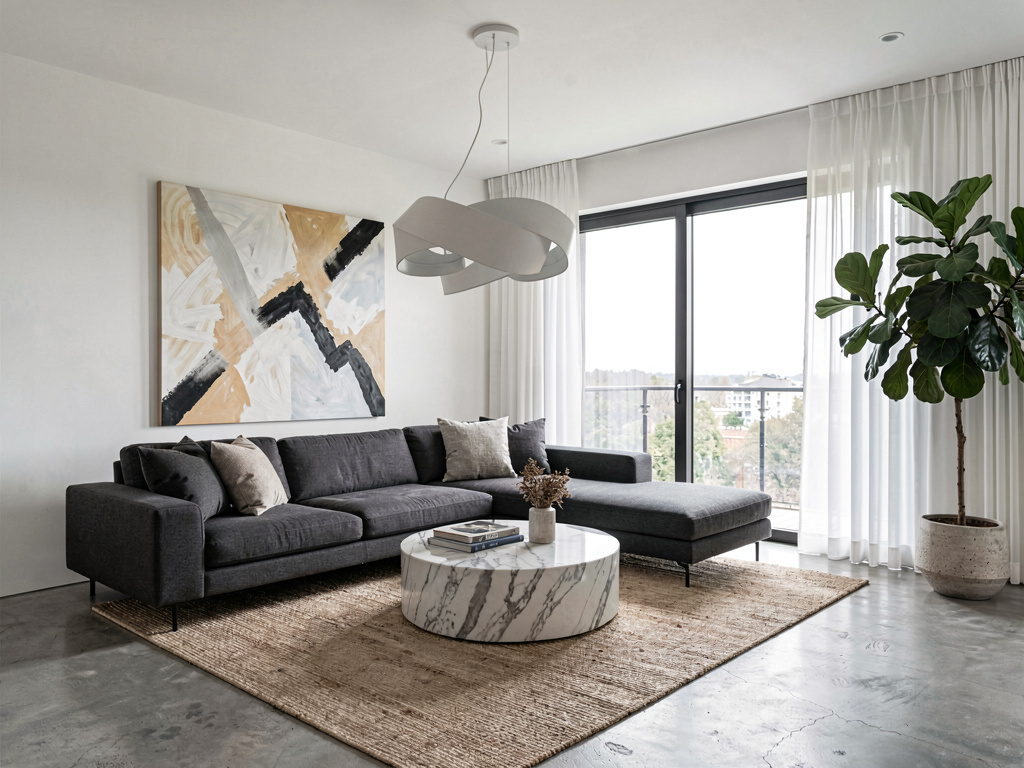
Small living rooms have one advantage that big ones don't: everything is within reach. The remote, the blanket, your coffee — it's all right there. The problem isn't the size. The problem is when a small room feels cramped instead of compact. That difference comes down to a few specific choices: furniture scale, color, layout, and what you put on the walls versus what you leave off them.
These are 10 small living room ideas that actually make rooms feel bigger, based on what interior designers and space planners consistently recommend. Each one works in rooms under 200 square feet.
1. Mirrors to double the space
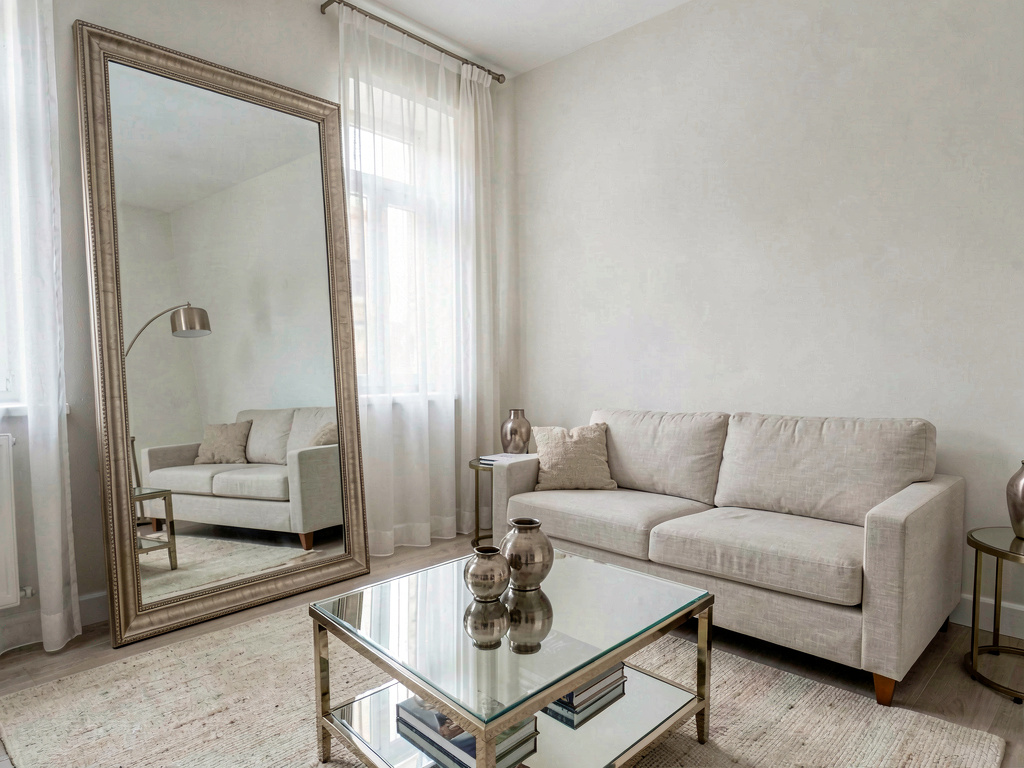
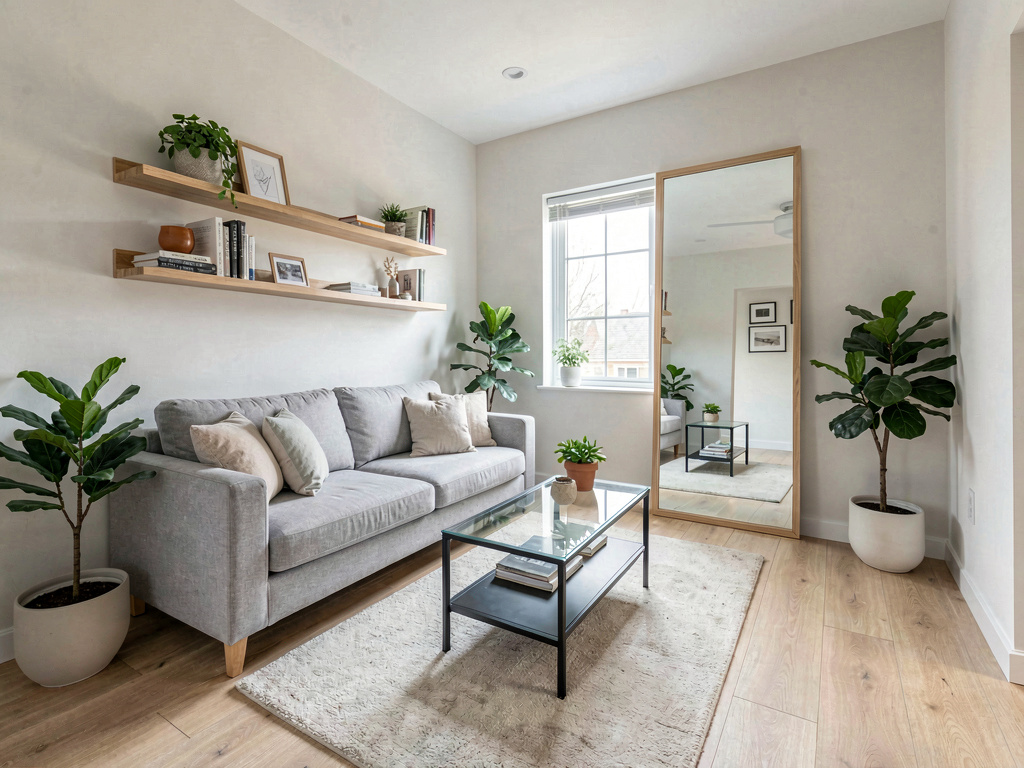
A large floor-to-ceiling mirror leans against one wall, reflecting the window on the opposite side. The sofa is compact linen in a warm beige. Sheer curtains let in all available light. A glass coffee table and metallic accents keep surfaces reflective. The room looks twice as deep as it actually is.
This is the oldest trick in the book because it works better than anything else. A single large mirror placed opposite or adjacent to a window effectively doubles the perceived space and light in the room. Avoid hanging mirrors too high — the reflection should capture the room at eye level when seated. According to Houzz, a mirror that's at least 4 feet tall has the strongest visual-expansion effect.
2. Go vertical with storage
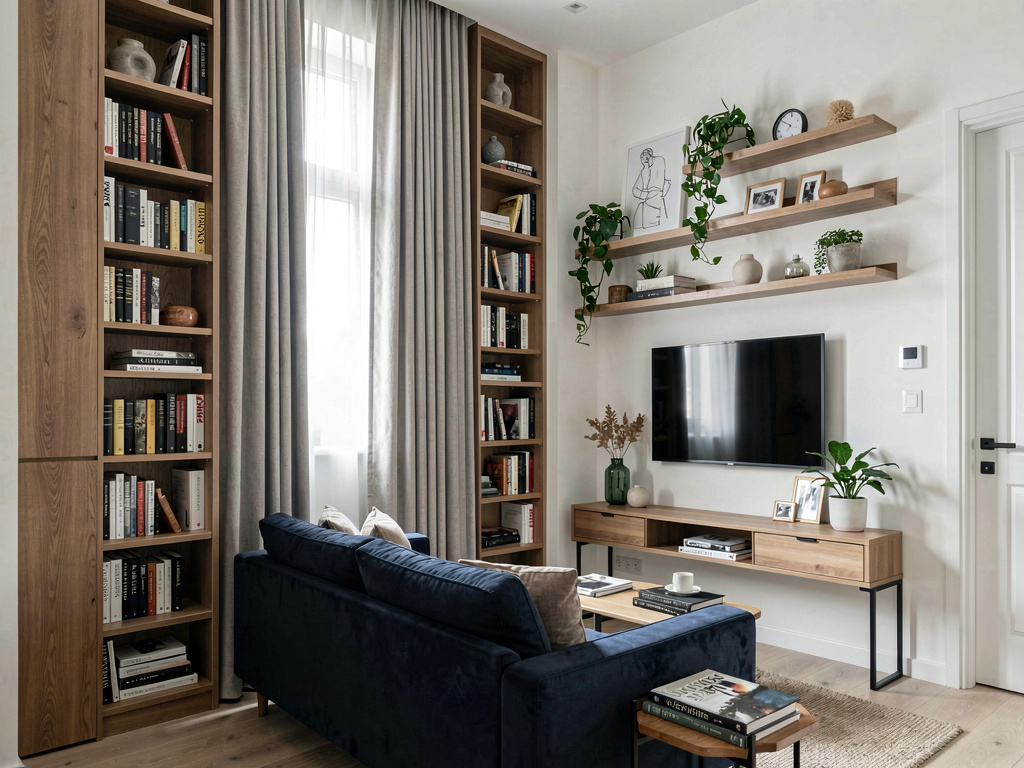
Floor-to-ceiling bookshelves line one wall from end to end. A low-profile sofa in navy blue sits below them. A wall-mounted TV eliminates the need for a media console. Floating shelves on the opposite wall hold plants and small art objects. Tall curtains hung just below the ceiling line add even more height.
In a small living room, floor space is expensive and wall space is free. Every piece of storage you can move from the floor to the wall opens up the room. Wall-mounted shelves, tall narrow bookcases, and floating consoles all accomplish this. The curtain trick is worth noting — hanging curtains 4-6 inches above the window frame and letting them run to the floor makes ceilings look taller, which makes the room feel larger overall.
3. Multifunctional furniture
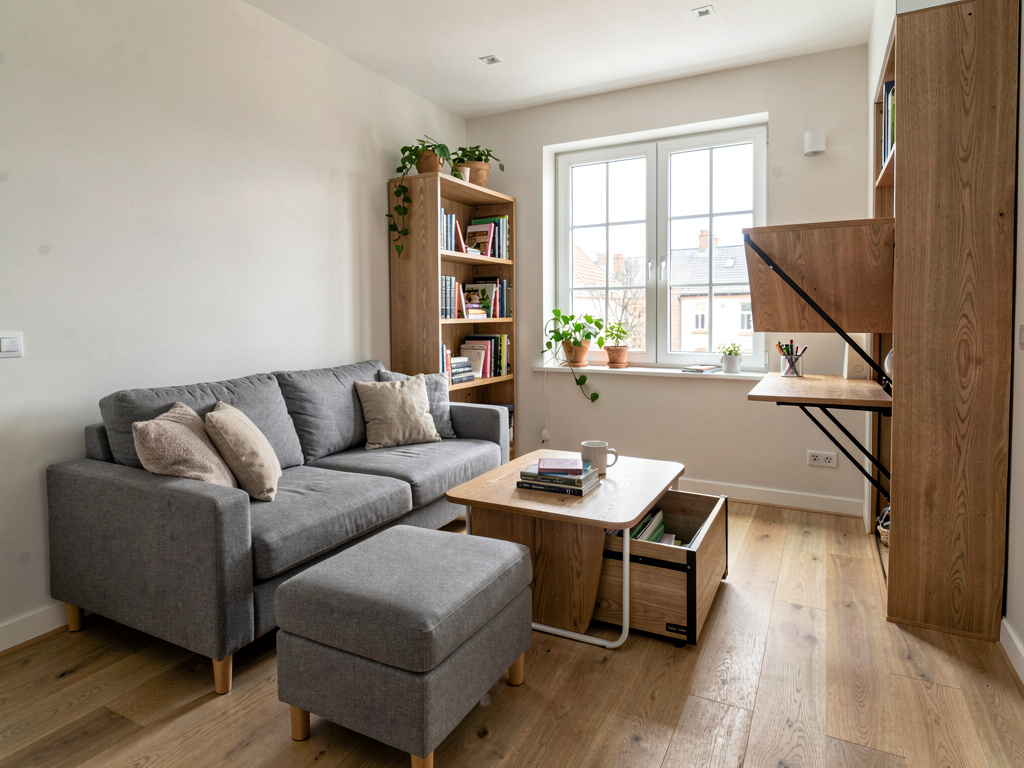
A modern sofa bed in gray fabric that converts for guests. An ottoman that opens to reveal storage inside. A set of nesting coffee tables — use one daily, pull out all three when people come over. A wall-mounted fold-down desk in the corner for working from home. A compact bookshelf acting as a room divider.
In rooms under 150 square feet, every piece of furniture should do at least two things. A sofa that's also a bed. An ottoman that's also storage. A coffee table that nests into itself. This isn't about buying more — it's about buying smarter. IKEA's FRIHETEN sofa bed ($500-$700) is one of the most popular small-space solutions for a reason: it sleeps two, stores bedding, and fits in a 7-foot wall span.
4. All-light color palette
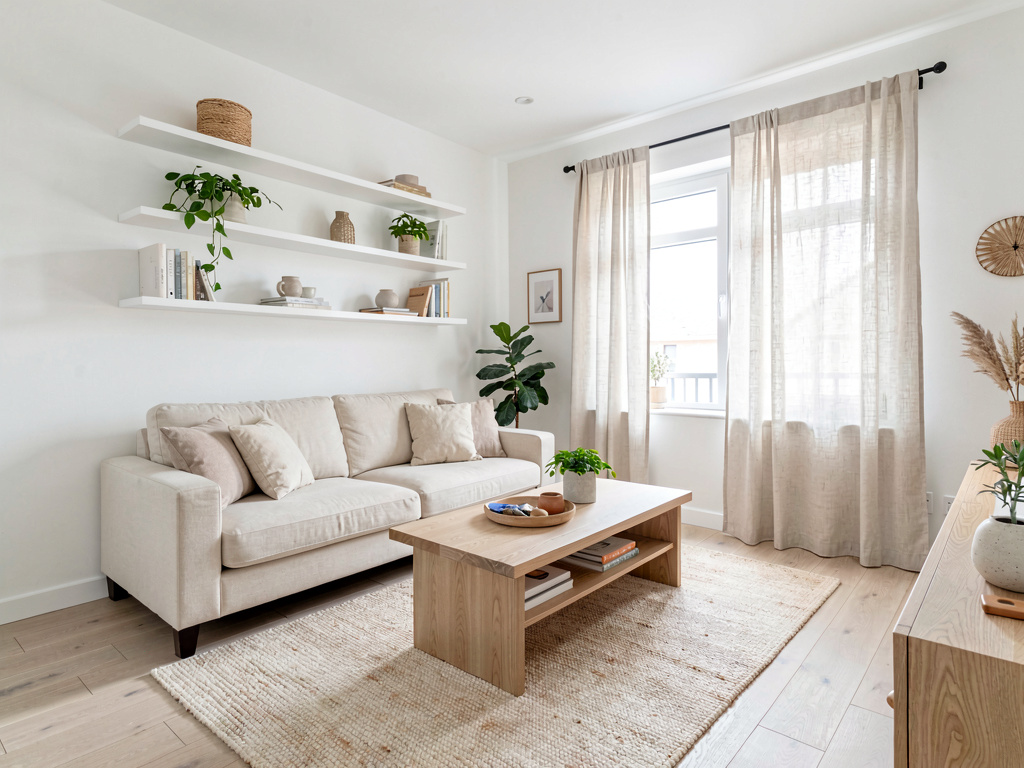
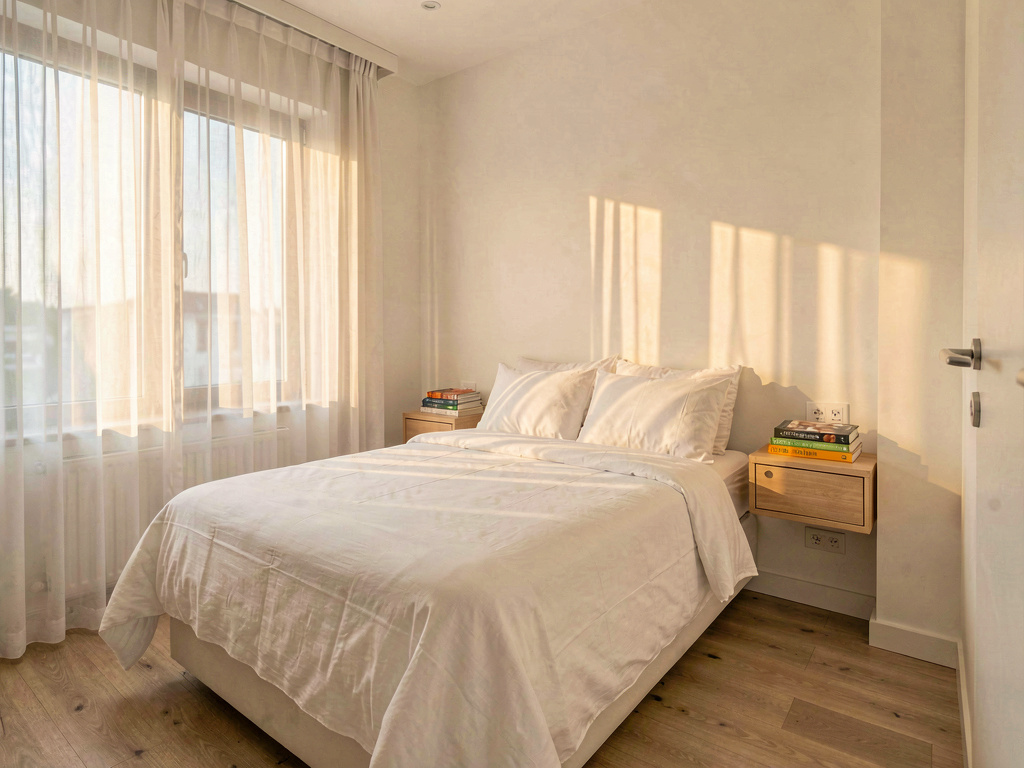
White walls. Cream sofa. Light wood coffee table. White floating shelves. Pale linen curtains. A light woven rug on pale wood floors. The only color variation comes from texture differences between the materials — the nub of the linen, the grain of the wood, the weave of the rug. The room feels open and airy.
Light colors reflect more light, and more light means more perceived space. This isn't personal preference — it's physics. A room painted in Benjamin Moore's "White Dove" will photograph and feel larger than the same room in a dark charcoal. If all-white feels too sterile, add warmth through materials (wood, woven textures, linen) rather than darker colors.
The one exception: a single dark accent wall can actually add depth to a small room by creating a visual receding plane. More on that below.
5. Smart apartment layout
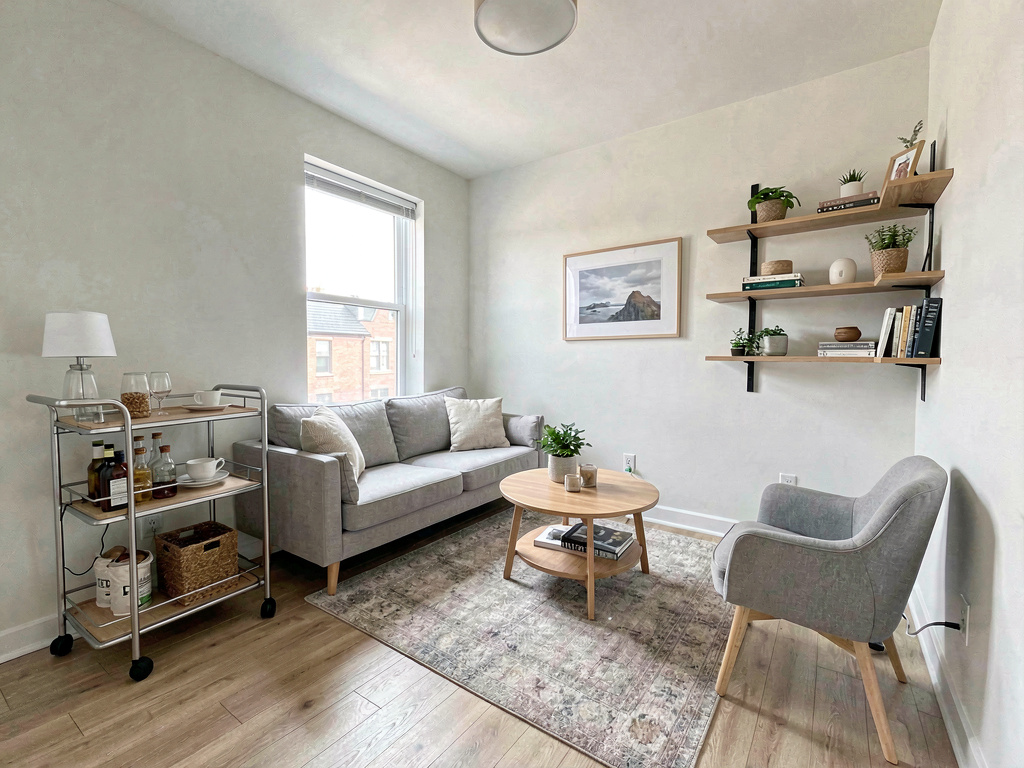
A loveseat placed perpendicular to the wall instead of against it, creating a defined seating area with a clear walkway behind. A round coffee table (no sharp corners to navigate around). A bar cart tucked in the corner. Wall-mounted shelving instead of a bookcase. A small accent chair angled toward the loveseat.
Layout matters more than furniture in a small room. The most common mistake is pushing everything against the walls, which leaves an awkward empty center and makes the room feel like a waiting room. Pulling furniture away from walls — even 6 to 12 inches — and creating conversational groupings makes a small room feel intentional rather than cramped. Round tables help because there's no corner jutting into your walkway.
For more on how to visualize different layouts before moving furniture, try AI room design tools to test arrangements with your actual room photo.
6. Scandinavian small-space style
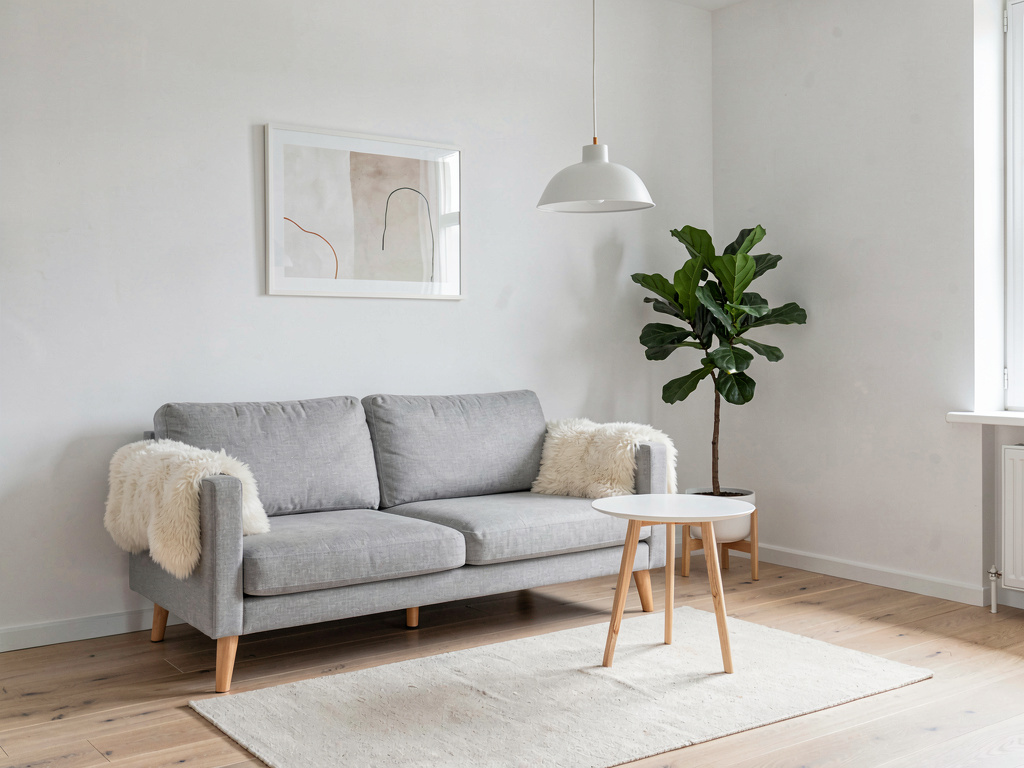
A compact two-seater sofa in light gray with light oak legs. A round white side table instead of a full coffee table. A single statement pendant light (no floor lamp eating floor space). White walls with one piece of minimal line art. A small potted fiddle-leaf fig in the corner. Sheepskin draped on the sofa arm. Pale wood floor with a small cream rug.
Scandinavian design was built for small spaces. Nordic apartments are historically compact, and the design tradition evolved around making them feel open, bright, and functional. The principles translate directly: light colors, simple furniture with visible legs, one statement piece per area, and nothing that doesn't earn its place in the room. If you like this look, our modern farmhouse interior guide covers a related warm-toned approach.
7. One bold accent wall
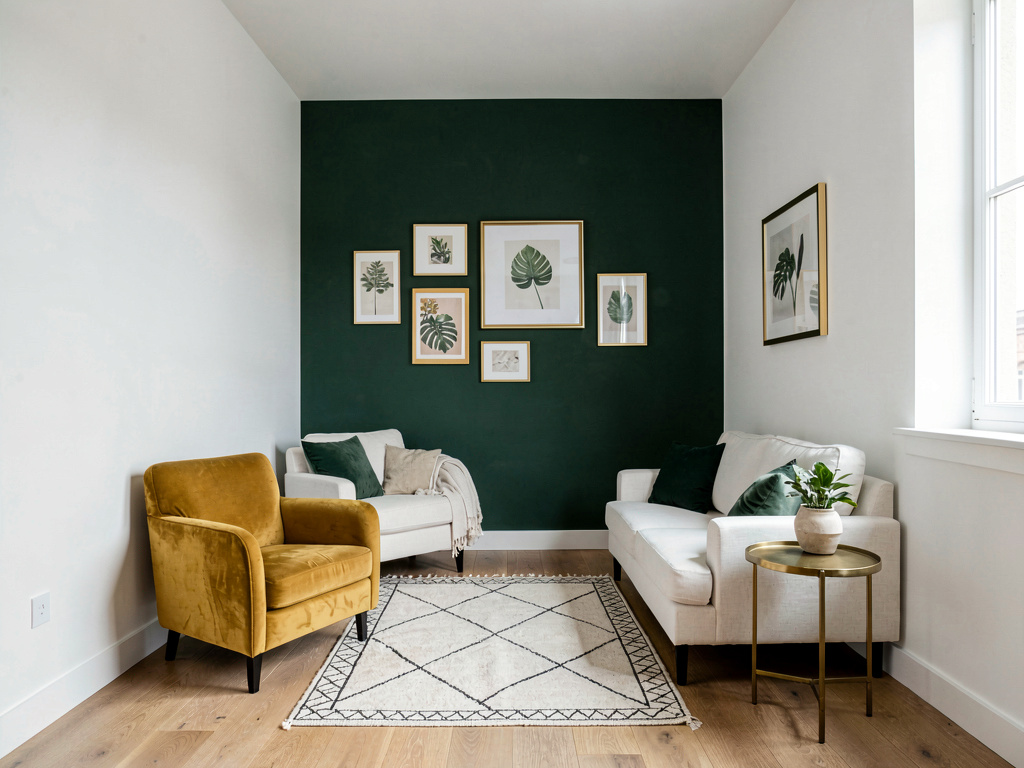
Three white walls and one in deep forest green. A compact mustard yellow armchair sits against a white wall. A small white sofa faces the green wall. Gold-framed art hangs on the green surface. A round brass side table and a small geometric rug anchor the center. The dark wall recedes visually, adding depth.
This contradicts the "all light" rule, and both are correct. A single dark wall creates visual depth — the eye reads it as farther away, which makes the room feel deeper. The key is one wall only, painted floor-to-ceiling, with the other three walls light. This works best on the wall you face when entering the room. Sherwin-Williams recommends deep greens, navy, and charcoal as the most effective depth-creating accent colors for small rooms.
8. Furniture on legs
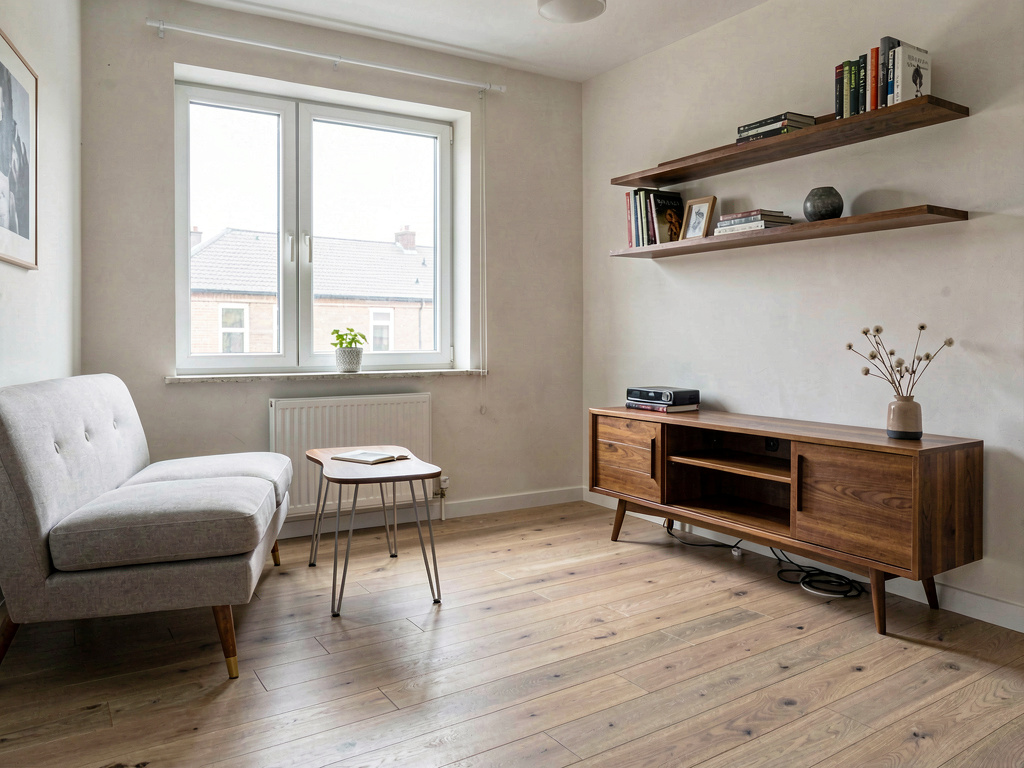
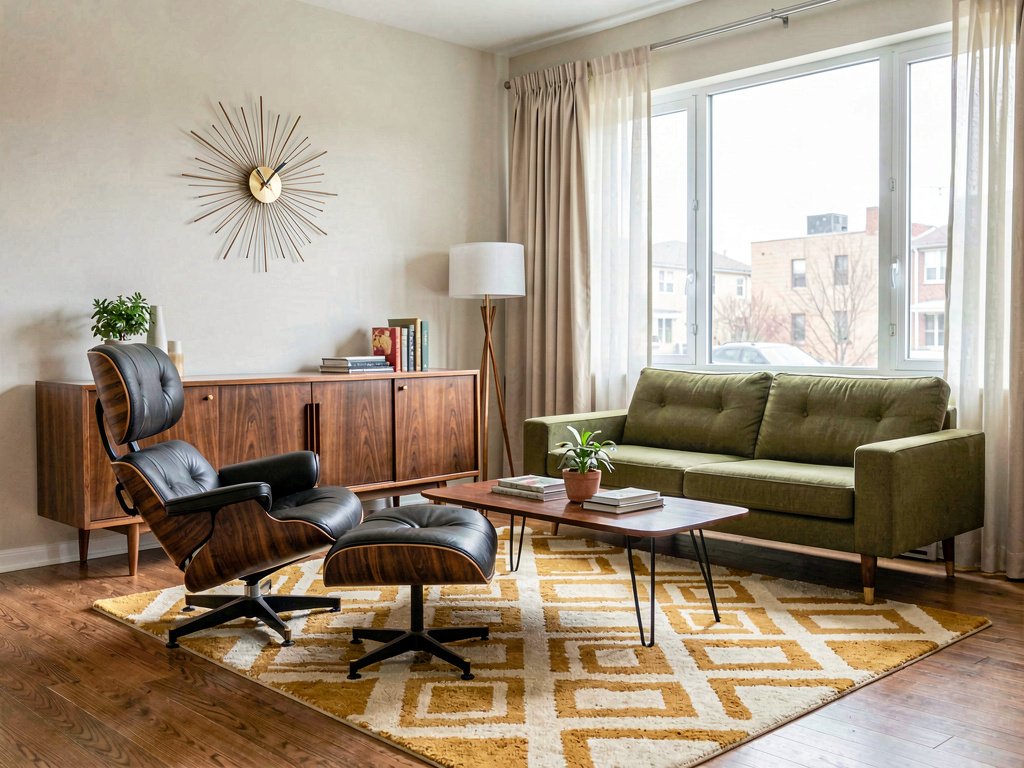
A mid-century sofa on tapered wooden legs. A side table on thin metal legs. A media console raised on legs with visible floor beneath. Wall-mounted shelves instead of a standing bookcase. The floor is visible under every single piece of furniture in the room.
See Your Room Redesigned
Download Remodel AI and transform any room in 30 seconds. 3 free designs, no signup.


Visible floor = bigger room. It's that simple. Furniture that sits flat on the ground (like a skirt-to-floor sofa or a chunky ottoman) visually eats floor space. Furniture on legs reveals the floor beneath it, and your eye reads that as more open space. When shopping for a small living room, check the legs before anything else. This principle alone can make a 10x12 room feel closer to 12x14.
9. Cozy despite the size
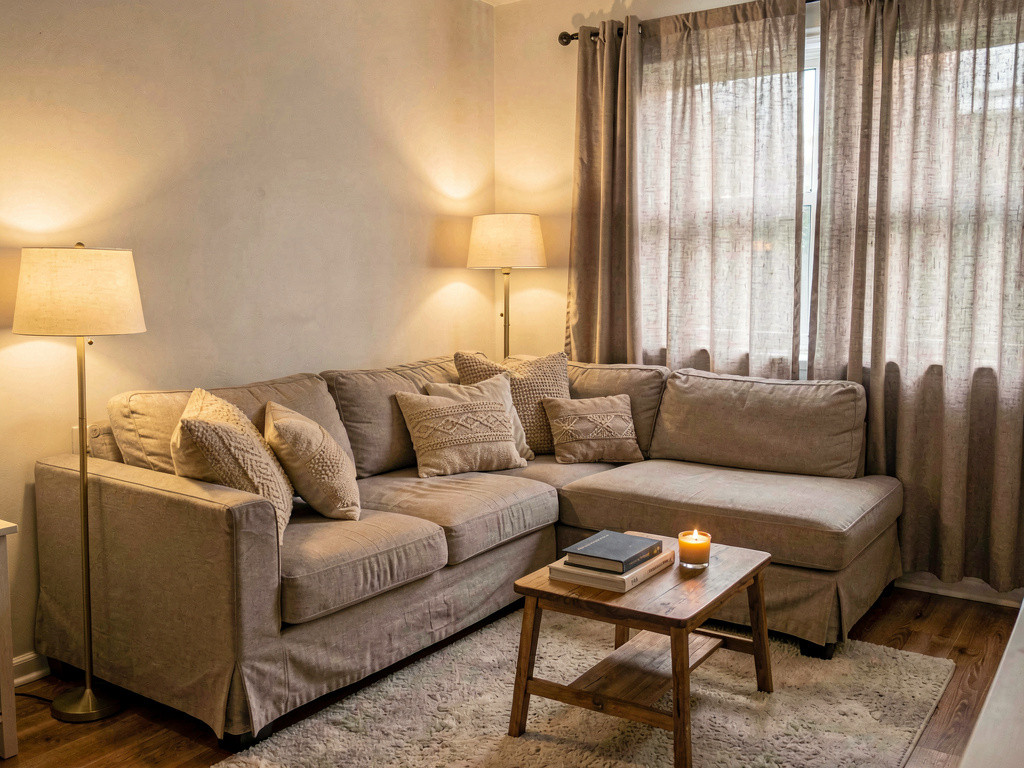
A snug sectional that fits perfectly into the corner of the room. Textured throw pillows in warm tones. A soft rug covering most of the floor. A table lamp and floor lamp providing warm light — no overhead fixture. Curtains that hang to the floor. A few books and a lit candle on a small coffee table.
Small doesn't have to mean sparse. Some of the coziest rooms are tiny ones done right. The trick is choosing pieces that fit the scale — a sectional that matches the corner exactly, a coffee table that's proportional to the seating, lamps that don't tower over the space. See our cozy living room ideas for more on making any room feel warm and inviting.
10. Studio apartment living area
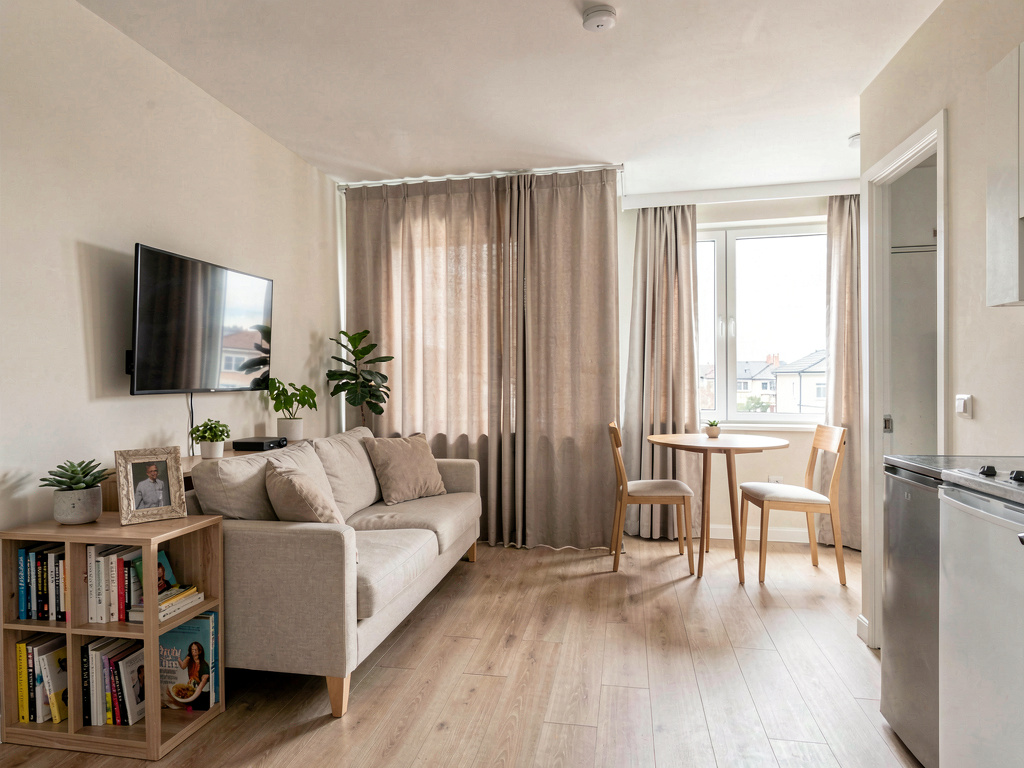
The living area is separated from the sleeping area by a low bookshelf that doubles as storage and display. A compact sofa faces a wall-mounted TV. A small dining table for two is tucked against the window. A sheer curtain hangs from a ceiling track as a flexible room divider. Light colors and cohesive style tie the whole studio together.
Studios are the ultimate small living room challenge. The space has to function as a living room, bedroom, and sometimes dining room and office. The best studios use visual dividers — bookshelves, curtains, rugs — to create zones without building walls. Each zone gets its own rug, its own lighting, and its own purpose. The eye reads each zone as a separate "room," which makes 400 square feet feel like four distinct spaces.
What small living room furniture actually costs
Here's what to budget for furnishing a small living room:
Sofa or loveseat (apartment-scale): $400 to $1,500. IKEA's compact sofas start around $300-$500. Article and West Elm run $800-$1,500 for small-scale pieces. According to HomeAdvisor, the average living room furnishing budget is $2,000 to $5,000, but small rooms need less.
Coffee table (small/round/nesting): $80 to $400. Round tables under 30 inches in diameter work best.
Storage (shelving, media console): $100 to $600. Wall-mounted options save floor space. A set of floating shelves runs $30-$80 and replaces a bookcase.
Rug (small area, 5x7 or smaller): $50 to $300. A rug that's too large makes a small room feel crowded. One that's too small looks like a bath mat. Measure first.
Total for a complete small living room: $1,000 to $3,000 covers a sofa, coffee table, shelving, rug, and a few lamps.
How to try these small living room ideas yourself
The fastest way to test which approach works for your room:
Step 1: Take a photo of your small living room from the corner. Get as much of the room in the frame as possible.
Step 2: Upload it to Remodel AI (free on iOS, Android, and web).
Step 3: Try different styles — Scandinavian for light and minimal, Modern for clean lines, or Japandi for warm minimalism.
Step 4: Compare 3-5 results. Seeing your actual room transformed shows you what works in your specific space, not a showroom.
3 free designs. No credit card, no sign-up.
What is the best furniture arrangement for a small living room?
Don't push everything against the walls. Pull the sofa a few inches out and create a defined seating grouping. Use a round coffee table to avoid sharp corners in tight walkways. Place the largest piece (sofa) against the longest wall and arrange smaller pieces around it.
What colors make a small living room look bigger?
Light colors — white, cream, pale gray, light blue. These reflect more light and make walls feel farther away. If you want warmth, use warm whites (like Benjamin Moore "White Dove") rather than cool whites. One dark accent wall can also add depth.
How do I make a small living room look expensive?
Three things: good lighting (ditch the overhead, use lamps), one quality textile (a real wool throw or linen curtains), and plants. These three additions make a $500 room look like a $5,000 room. Also, declutter. Empty space reads as luxury.
Is a sectional too big for a small living room?
Not necessarily. A compact L-shaped sectional that fits your corner exactly can seat more people than a sofa plus two chairs while using less floor space. Measure your wall lengths before shopping. Many brands now make apartment-scale sectionals specifically for rooms under 200 square feet.
How big should a rug be in a small living room?
The front legs of your sofa should sit on the rug. In most small rooms, a 5x7 or 5x8 rug works. Going too small makes the room look choppy. Going too large makes it feel cramped. Leave 12-18 inches of bare floor between the rug edge and the walls.
Small rooms aren't a limitation — they're a constraint that forces better decisions. The rooms above prove that you don't need square footage to have a living room that looks and feels great. Start with one change, see how it feels, and build from there.
Try Remodel AI free at www.remodelai.io/app — available on iOS, Android, and web.
Ready to Try AI Interior Design?
Upload a photo and redesign any room in seconds. 3 free designs, no signup required.